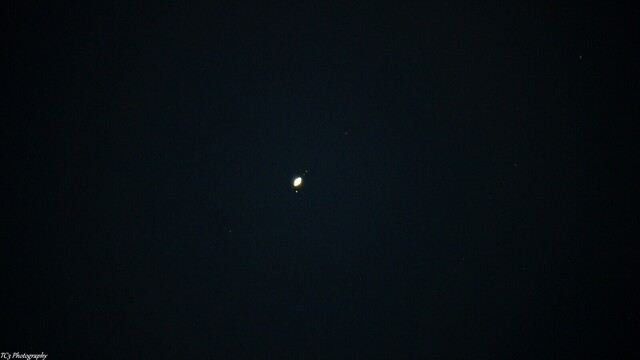
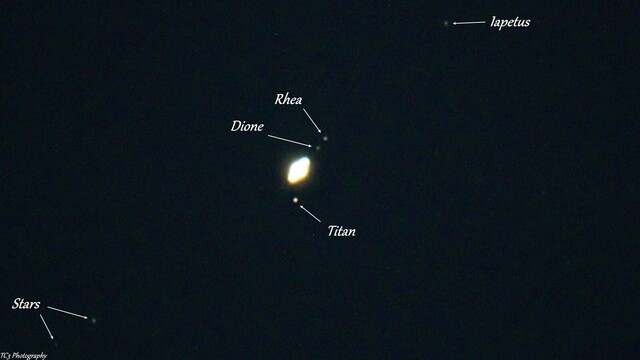
Just above and slightly to the right of tonight's “Super Blue Moon”, is the planet Saturn. It was only a few days ago that it was at opposition, so it is still close enough to see some of its moons.
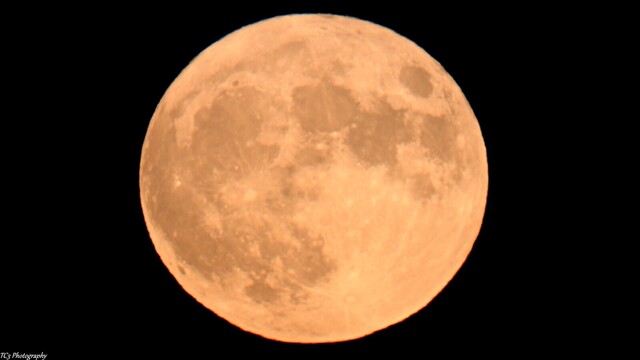
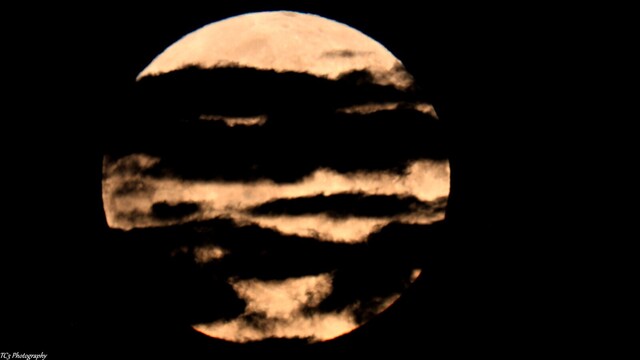
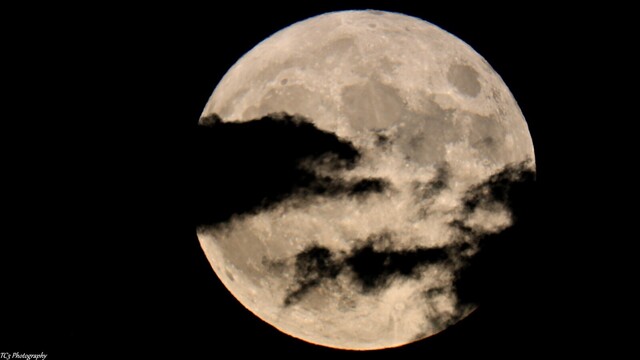
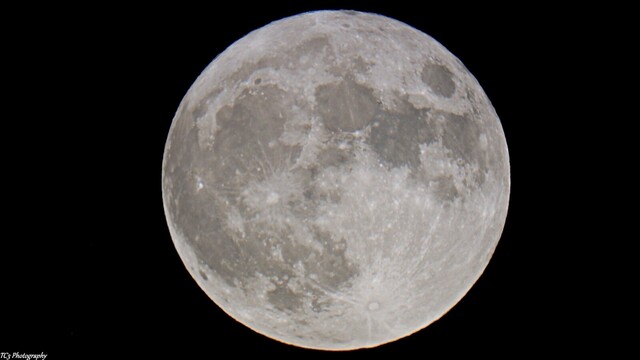
also a “Super Blue Moon”.
So, why is it a “Super Blue Moon”?
Because tonight's full moon will only be 222,043 miles from our Earth. That's the closest any moon has been during this last year.
Remember the phase “Once in a Blue Moon”? It's an idiom that means something that happens very rarely.
Well, an astronomical blue moon only happens about once every 2 years, 8 months, and 18 days. The next blue moon will be on May 31, 2026.
But, in 2037, an even rarer event will take place. There 2/3
Tonight, August 30, will be the second of two August super moons for this month. Each month, a full moon has a name. For August, the full moon is traditionally known as the Sturgeon Moon (because the giant sturgeon of the Great Lakes and Lake Champlain were most readily caught during this part of summer).
But this is the second full moon in August, and if there is a second full moon during any calendar month, then that second full moon is known as a “Blue Moon”. But tonight's full moon is 1/3
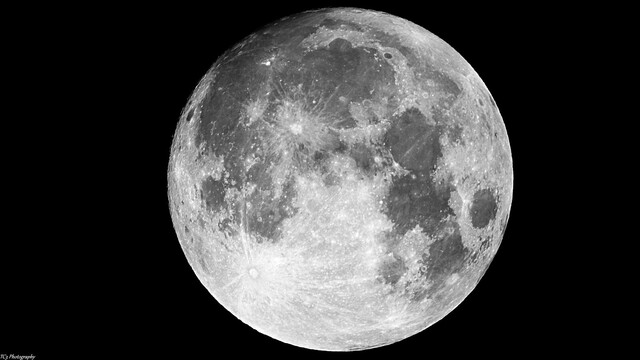
#Astronomy #Astrophotography #NightSky #Space #Sirius
Soon, very soon, Sirius will be showing off. This short video shows what happens when you place Sirius out of focus.
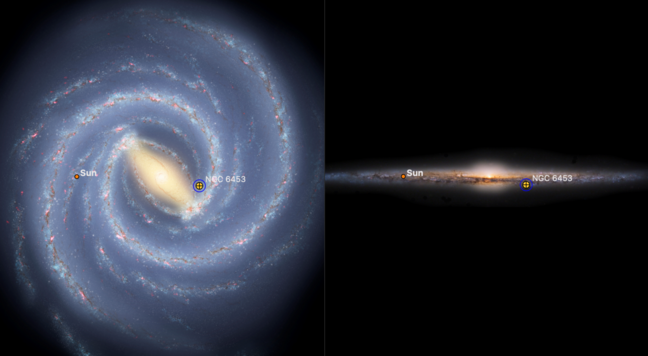
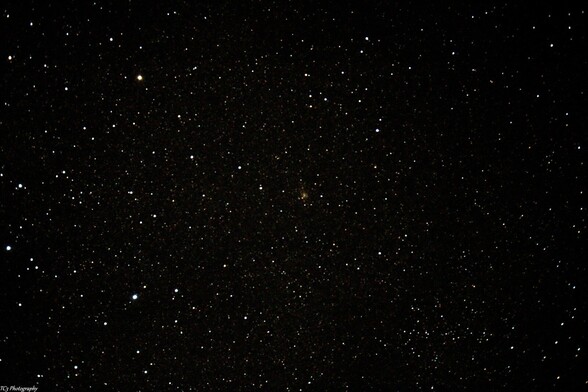
(the small reddish haze at the centre in the image), a globular cluster located approximately 37,000 light-years from our Earth, but only about 3,260 light-years from the center of our galaxy. Viewed from our Earth, this cluster is only 7.6' arc minutes in size. For reference, the full moon is 30' arc minutes in size. The brightest stars in this cluster are no brighter than 14th magnitude.
NGC 6453 is located just to the right of Messier 7. 4/5
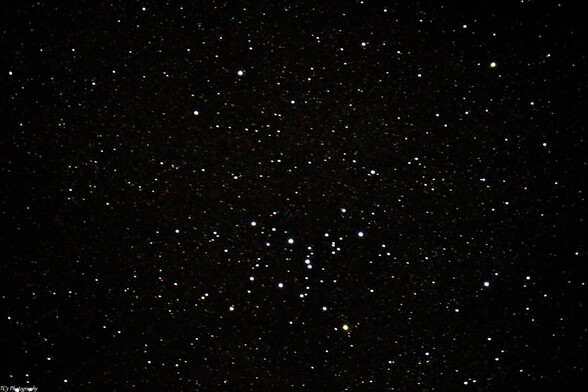
spread out to a diameter of 25 light-years. At an estimated distance of 980 light-years from our Earth, this corresponds to an apparent diameter of 80 arc minutes, more than twice the apparent size of the full Moon.
Both Messier 6 and Messier 7 are near each other and can be seen by the unaided eye but the use of binoculars and/or telescopes helps in seeing the details of the star clusters.
The third image cannot be seen by the unaided eye or binoculars.
This third image is NGC 6453 3/5