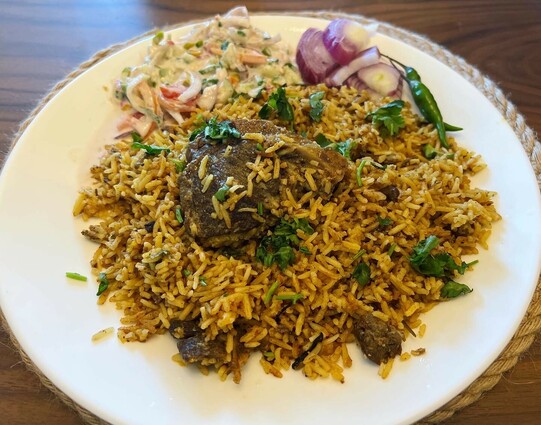
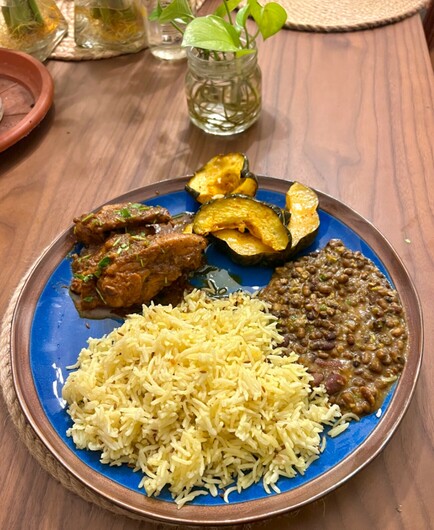
Mutton biryani for Thanksgiving this year, less than perfect but thankfully made up by eating it with the perfect people I 💜 in my life.
| Pronouns | she/her |
| Location |
I get that Black Twitter is uninterested in Global South encounters with racist, fascist hate speech, but that also reveals Black Twitter's fundamentally American gaze.
Even more American is this framing of "Marginalized users self-moderating will subject themselves to violence." Who is currently moderating violent content on Twitter? Marginalized Global South workers, employed in highly precarious Big Tech fronts in far-flung corners of Asia.
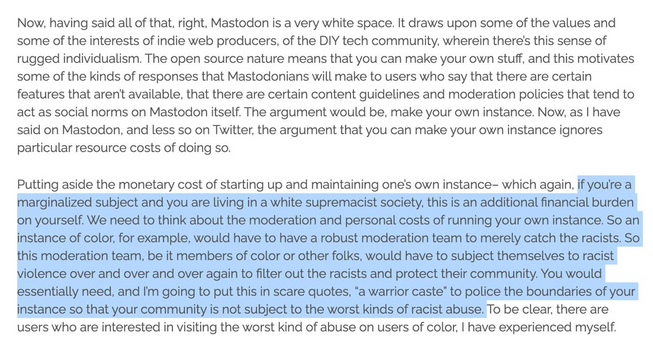
If Black Twitter emerged as offline Black discursive practices leveraging Twitter's technological affordances (cf. Brock, 'Distributed Blackness') then migrating this collective to Mastodon, i.e. anti-Twitter will be fraught.
I am also struck by Flowers' framing of Black Twitter as a "gathering place" & "commons." This is an American luxury. Indian Twitter is a morass of censorship, RW trolls, misogyny, hate speech. Mastodon has been a respite for many who don't experience Twitter as a commons.

Is Mastodon conducive to sharing #food media? Time to test!
“Pahadi” chicken, roasted acorn squash, maah ki daal & jeera rice.
(No clue what makes it pahadi, just found a recipe that I liked that called it that.)
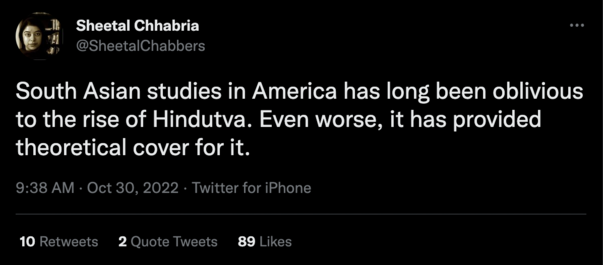
And then this curious tweet today -- who are these South Asian Studies academics "covering" for Hindutva? It feels disingenuous to suggest such malice even if S.A. studies has had several hegemonic strands like caste, class, region, nation to account for.
And should non-Indian South Asianists be accused of not looking at Hindutva?
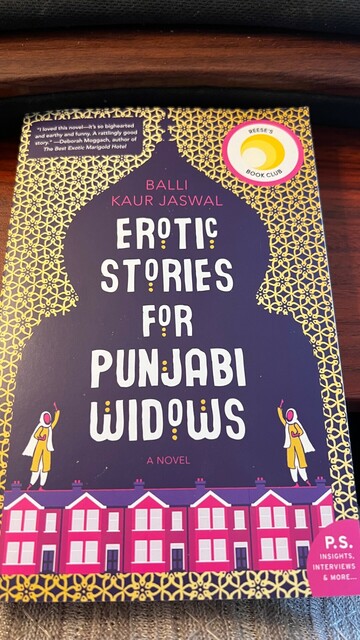
Only wholesome toots on this site, so I will start by sharing what I'm reading today.
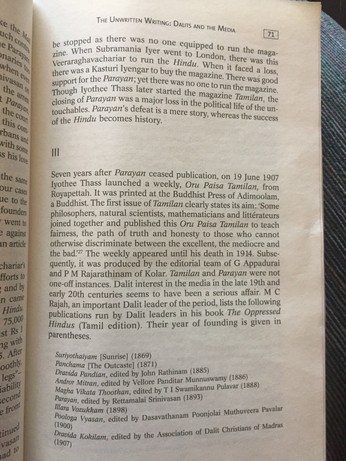
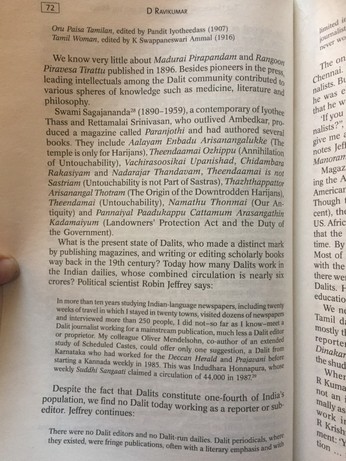
D. Ravikumar's essay "The Unwritten Writing: Dalits and the Media"