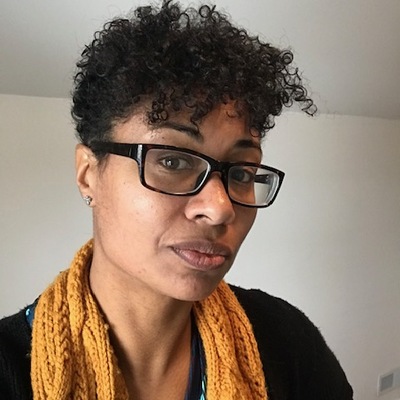
Circulation supervisor at Denver Public #library, #crossstitcher, #baker, writer, book reviewer, blogger, #gardener, #baker #singer, mom, and Omađ #Abolitionist #progressive #pro-union #cwa7799 #antiracist, #climatejustice

Gen. Pervez Musharraf, whose role as #Pakistan's military ruler at the time of the September 11, 2001, terror attacks on the U.S. made him a household name, has died at the age of 79.
https://www.cbsnews.com/news/pervez-musharraf-dies-age-79-pakistan-military-ruler/
#Koch Network, Aiming to âTurn the Pageâ on #Trump, Will Play in the G.O.P. Primaries
The move by the alliance of conservative donors could provide an enormous boost to a Republican alternative to the former president. #2024
https://www.nytimes.com/2023/02/05/us/politics/koch-donors-trump-campaign-finance.html
Why hasnât Colvinâs act of resistance gotten as much attention, even though her court case eventually overturned bus segregation? Why did Parksâs arrest motivate organizers to call for the Montgomery Bus Boycott, 9 months after Colvinâs arrest for the very same thing?
The answer seems to be a complicated mix of respectability politics and a large increase in publicity and anger about civil rights violations and violence against Black Americans between the two separate acts of resistance.
When Colvin finally moved from Alabama to New York City, Parks was the one person from the Montgomery activist community who consistently kept in touch with her for many years.
Hereâs an interview with Colvin from last year!
Colvin was falsely charged with assaulting the arresting officers. She also became pregnant several months after the event. Parks had much lighter skin than Colvin, was married, and worked as a seamstress. She had a long history in Montgomery activist circles and was well known.
Civil rights leaders were convinced Parks was a more âsympatheticâ and ârespectableâ face of the boycott than the young, dark-skinned, pregnant Colvin who was eventually convicted for the assault charge.
Additionallyâand very importantlyâEmmett Till was lynched in August of 1955 and his killers were tried and acquitted a month before Parksâs act of resistance.
The national attention on his death and collective outrage after photos were published in Jet Magazine of his open casket funeral helped galvanize the Civil Rights movementâs next phase. This momentum helped Montgomery organizers to engage a maximum number of residents in what became an incredibly powerful and sustained boycott.
In Parksâs autobiography, My Story, she said:
âPeople always say that I didn't give up my seat because I was tired, but that isn't true. I was not tired physically, or no more tired than I usually was at the end of a working day. I was not old, although some people have an image of me as being old then. I was 42. No, the only tired I was, was tired of giving in.â