Italian 🇮🇹 bank Widiba is the latest victim of Copybara impersonation. Newer variants also now implement anti-debug checks to prevent running on an emulator. Some more variants impersonating an ISP and the Poste can be seen at an open directory.
C2 : 45.86.231[.]15
Technical analysis here : https://www.zscaler.com/blogs/security-research/technical-analysis-copybara

Ruchna 
- 8 Followers
- 47 Following
- 14 Posts
Reverse Engineer • Mobile Threat Researcher • Thought thinker • Sentence writer • Computer-er • Tweets are my own • Opinions my own

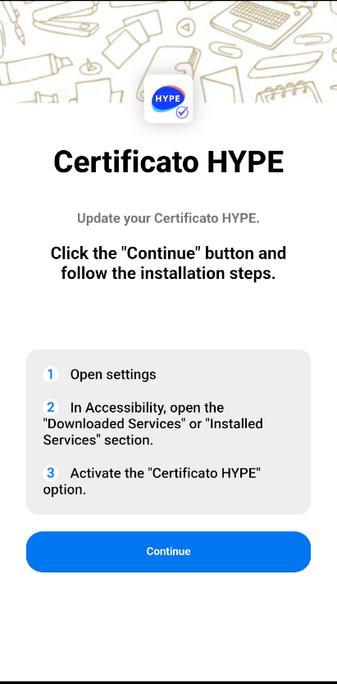
Italian 🇮🇹 bank Hype is the latest victim of Copybara impersonation. Accessibility Service abuse continues. Technical analysis here : https://www.zscaler.com/blogs/security-research/technical-analysis-copybara
C2 : 92.255.85[.]200
#Android #Malware
C2 : 92.255.85[.]200
#Android #Malware
Noticed an <activity-alias> definition in an AndroidManifest.xml for the first time and this particular case specifies android:enabled as false for the alias. Truly curious why an application (malicious in this case) would define an activity-alias if it didn't want for it to be instantiated?
Yet another tale of Accessibility Service abuse. Sharing findings around a new #Copybara Android malware variant that impersonates financial institutions in Italy🇮🇹 and Spain🇪🇸 to exfiltrate credentials from unsuspecting victims. https://threatlabz.zscaler.com/blogs/security-research/technical-analysis-copybara #android #malware
Nice presentation by Victor Chebyshev at @botconf on #LightSpy2, the next stage payload dropped by #DragonEgg and #Wrmspy attributed to APT41 https://youtu.be/dk-9X5FczPY?feature=shared #Botconf2024

LightSpy2 feature rich mobile surveillance tool set - Victor Chebyshev
 Virus Bulletin
Fox IT researchers look into the development of the Vultur Android banker distributed through a dropper-framework called Brunhilda. In a recent campaign, the Brunhilda dropper is spread in a hybrid attack using both SMS and a phone call. https://blog.fox-it.com/2024/03/28/android-malware-vultur-expands-its-wingspan/

NCC Group's Joshua Kamp & Alberto Segura investigate the technical differences between two Android malware variants: Hook and ERMAC. https://research.nccgroup.com/2023/09/11/from-ermac-to-hook-investigating-the-technical-differences-between-two-android-malware-variants/

From ERMAC to Hook: Investigating the technical differences between two Android malware variants
Authored by Joshua Kamp (main author) and Alberto Segura. Summary Hook and ERMAC are Android based malware families that are both advertised by the actor named “DukeEugene”. Hook is the latest vari…
 Cisco Talos
We've spotted the #LazarusGroup exploiting a vulnerability in the ManageEngine software to deliver two new trojans https://blog.talosintelligence.com/lazarus-quiterat/

Conference abstract/"paper" submissions littered with emojis - not "digging it"
Dynamic DNS TXT Records as TDS - that's a first https://blog.sucuri.net/2023/08/from-google-dns-to-tech-support-scam-sites-unmasking-the-malware-trail.html

From Google DNS to Tech Support Scam Sites: Unmasking the Malware Trail
Bad actors are elevating their malware campaigns by leveraging the DNS protocol to hide requests to their infrastructure. Learn how hackers are injecting malicious JavaScript to send requests to Google DNS, then using the responses to redirect users to tech support scams and adult websites.