🐇🐒🐉FAMILIARS AND FORTUNES🐂🦊🐁

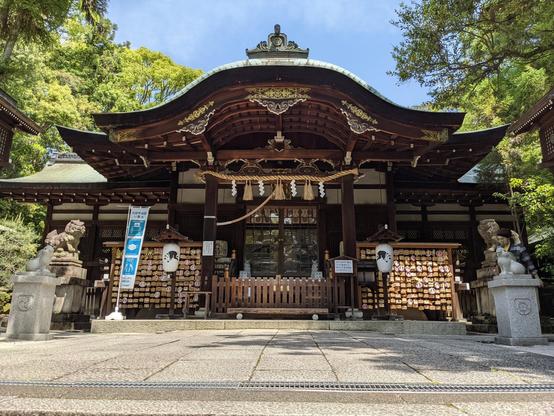
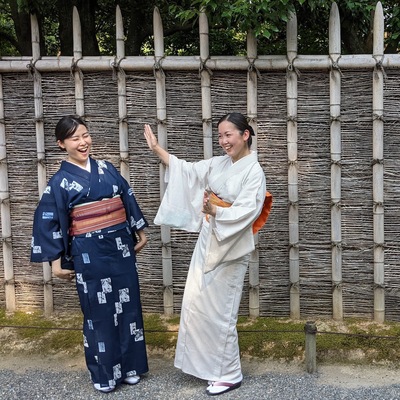
Visitors to shrines and temples for a long time have enjoyed having their fortunes determined by lucky dip, but in recent years Kyōto's familiars have helped kickstart a new craze for collecting 'omikuji' (御御籤 'sacred lots').

#Japan #Kyoto #京都 #omikuji #おみくじ #familiars #sacretlot

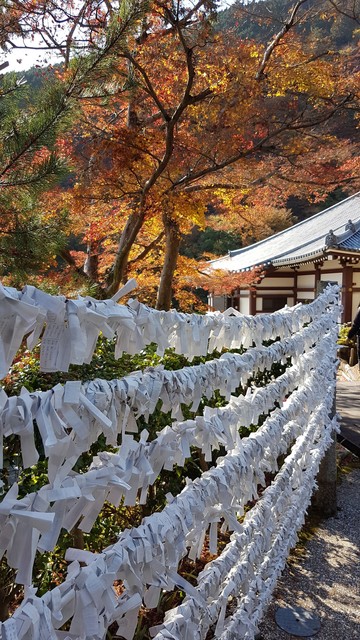
Omikuji are folded strips of paper that are picked blindly. Each 'sacred lot' is printed with a random fortune, often detailing how lucky your love life, health and happiness will be for the year (or until your next omikuji).
Fortunes vary from 'great blessing' to 'great curse'.

#Kyoto #京都 #Japan #omikuji #おみくじ

Many shrines & temples across Kyōto and Japan are now using familiars (of the gods & Bodhisattvas enshrined within) to promote and sell their omikuji.

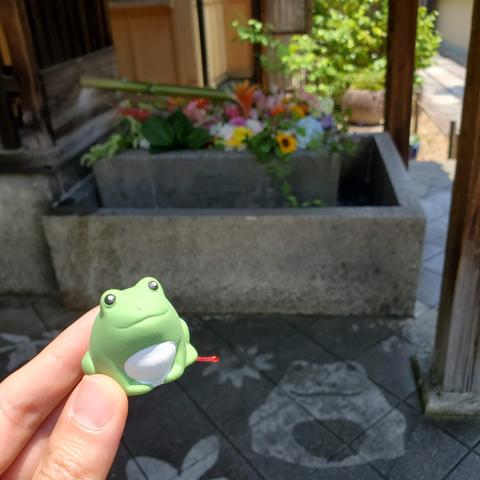
These small clay, wooden or plastic figures, holding the omikuji (aka 'otsuge' お告げ 'divine message'), can be taken home once the fortune is read.

#omikuji #おみくじ #Kyoto #京都 #kawaii #Japan #sacredlots #fortunes

1) SQUIRRELS🐿️

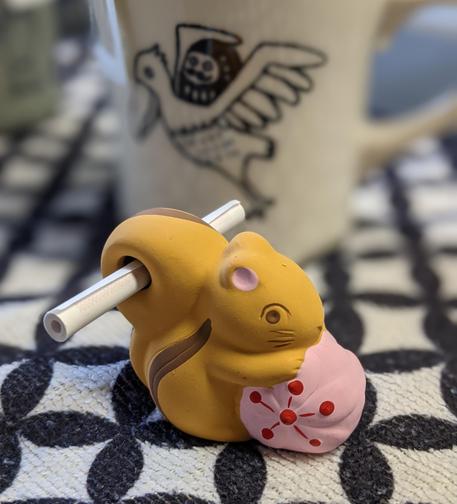
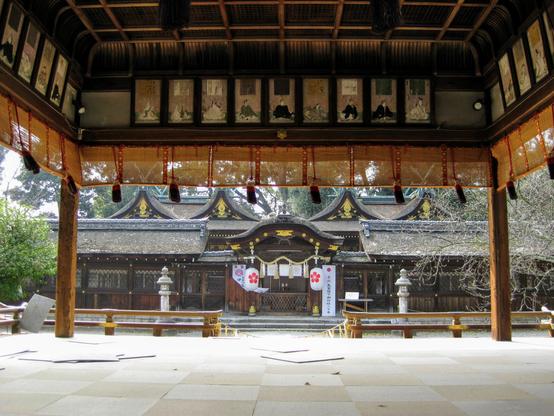
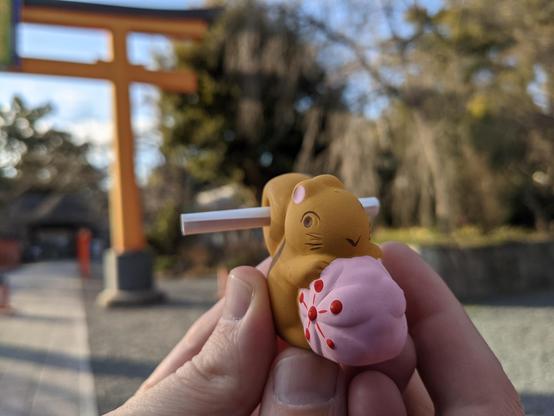
Squirrels (りす/栗鼠) are the divine messengers of Hirano-jinja (平野神社). They once populated the shrine's pine forest, and thus over time became associated with the enshrined gods.
Since Edo times Hirano-jinja has become better known for its sakura trees.

#Kyoto #京都 #squirrels #omikuji #Japan

2) BOARS🐗

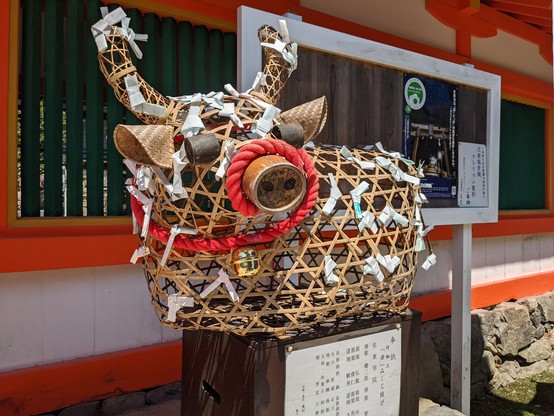
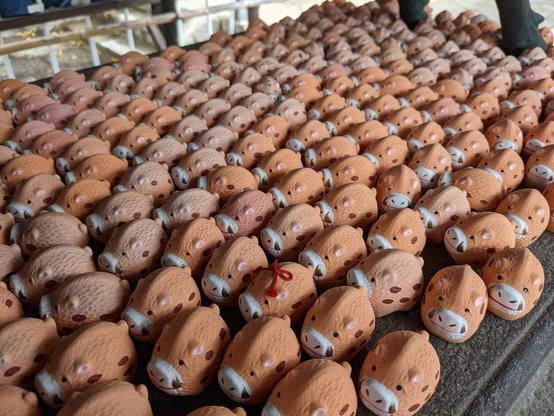
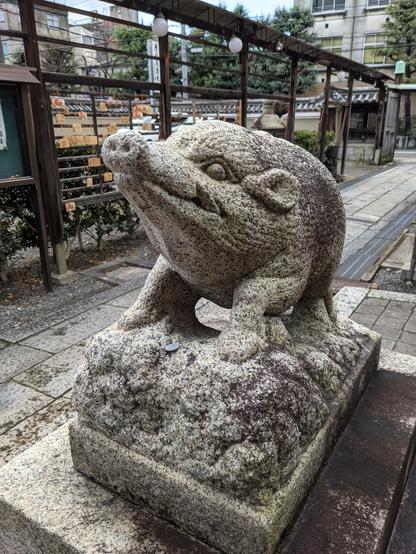
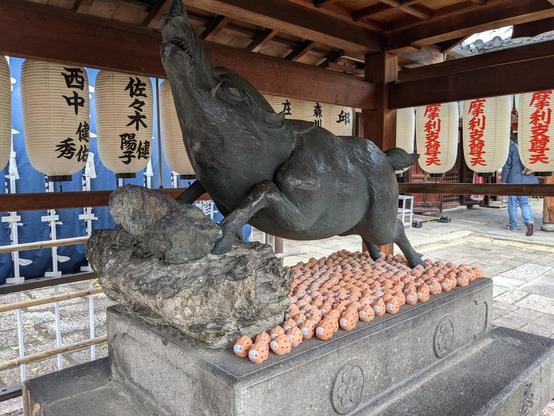
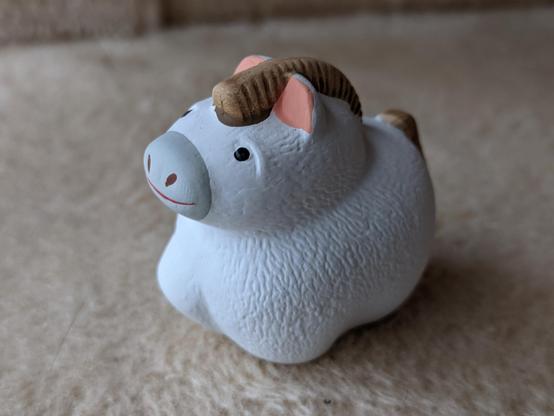
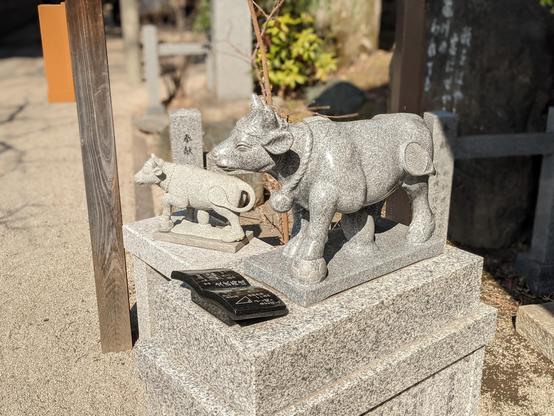
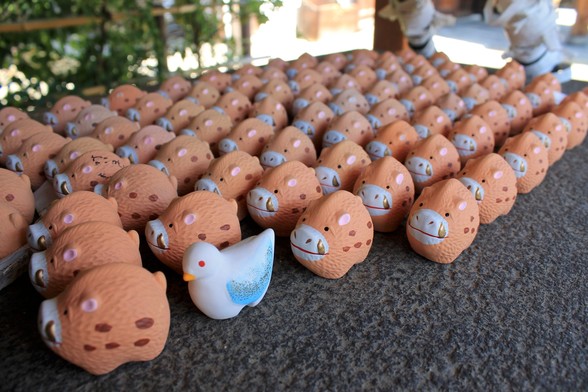
Boars are familiars of Marishiten (摩利支天), goddess of 'victory and abundance'.

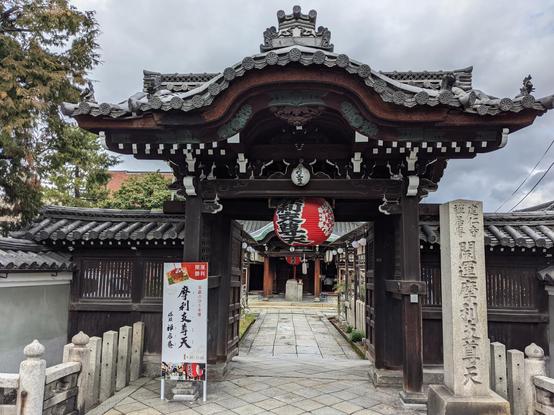
Pale-faced and brightly garbed, Marishiten is seen riding seven golden boars. She was particularly popular with warriors, and is worshipped at Kennin-ji's sub-temple Zenkyo-an (禅居庵 aka Marishiten-dō 摩利支天堂).

#Zenkyoan #禅居庵 #Kenninji #boars #Marishiten #摩利支天 #Kyoto

3) PRINCESSES✨

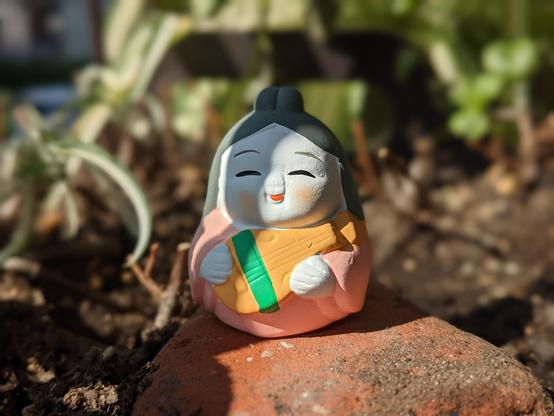
Unusually Ichihime-jinja (市比売神社) enshrines only goddesses, and is thus considered a protector of women only.

Popular with the palace women, it was once known as the 'Empress Shrine' (皇后御祈願所).

The shrine sells 'hime-mikuji' (姫みくじ 'fortune princesses').
#市比売神社 #Ichihimejinja #princess #empressshrine #Kyoto #京都

4) RABBITS🐇

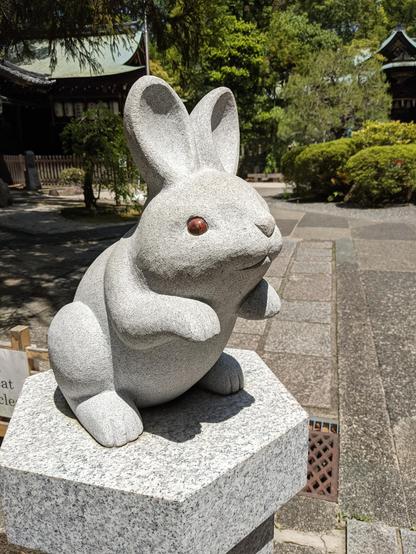
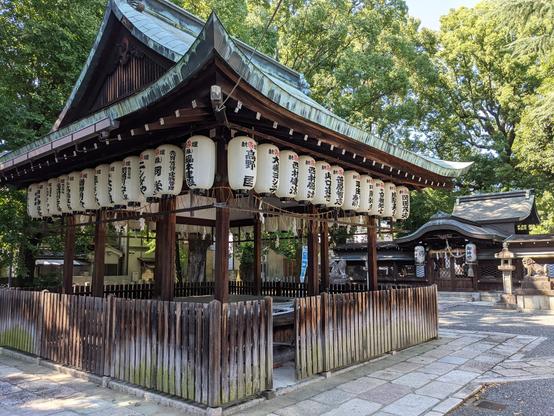
Okazaki-jinja (岡崎神社) is also known as the 'Rabbit Shrine' (うさぎ神社).]

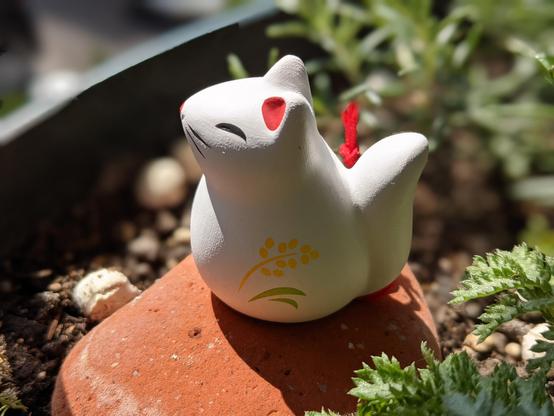
The shrine gods Susanoo (素盞嗚尊) and Kushinadahime (奇稻田姫命) were blessed with many children, and as a result rabbits (known for their fertility) became considered their familiars.

In times of old this part of Kyōto was countryside and woodland, and many wild rabbits lived in this area.

#Japan #rabbits #Kyoto #Okazakijinja #岡崎神社

5) FUKUROKUJU🍀

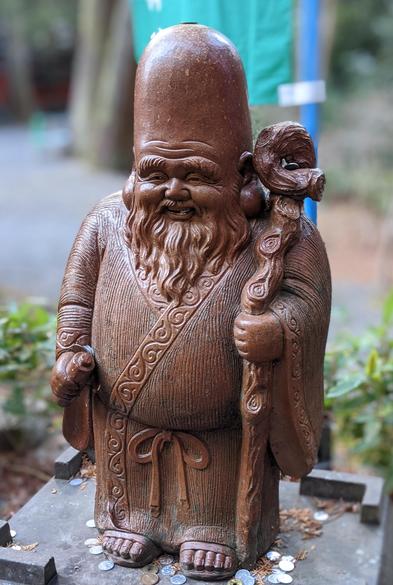
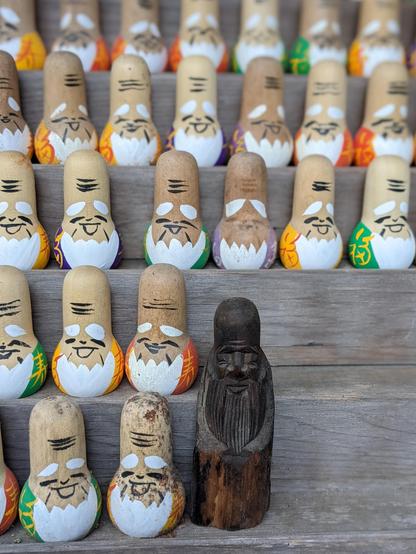
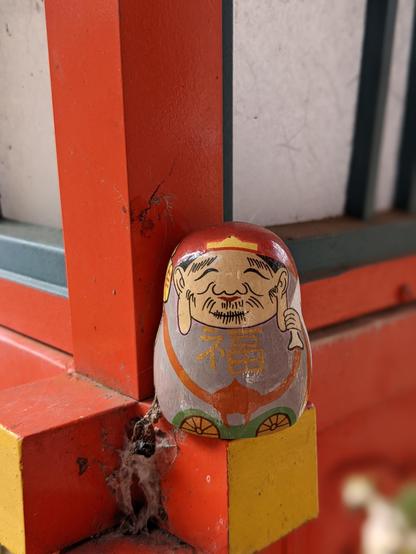
Fukurokuju (福禄寿) is the god of wisdom, longevity, wealth and happiness.
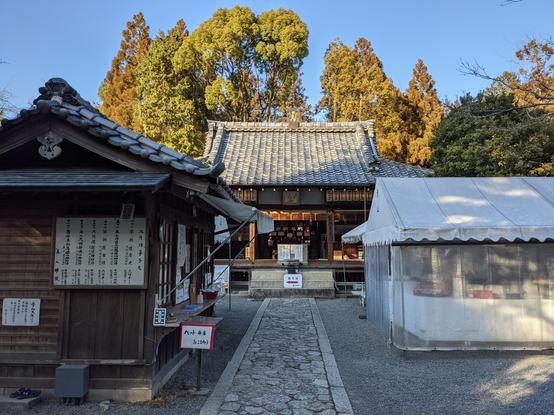
In Kyōto he is worshipped at Sekizanzen-in (赤山禅院), 1 of 7 sites that make up a pilgrimage to the '7 Gods of Fortune' (七福神).
The omikuji here are known as 'osugata-mikuji' (お姿みくじ).
#omikuji #おみくじ #Fukurokuju #福禄寿 #7GodsofFortune #Kyoto

6) MICE🐁

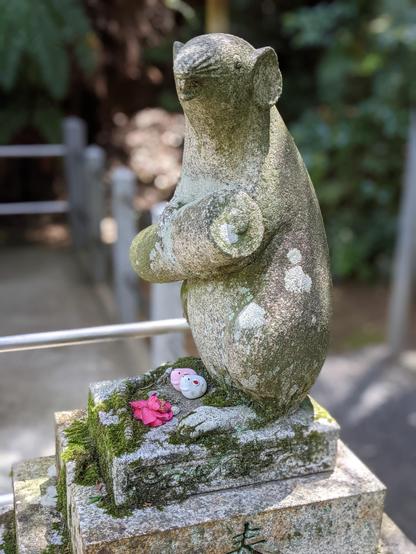
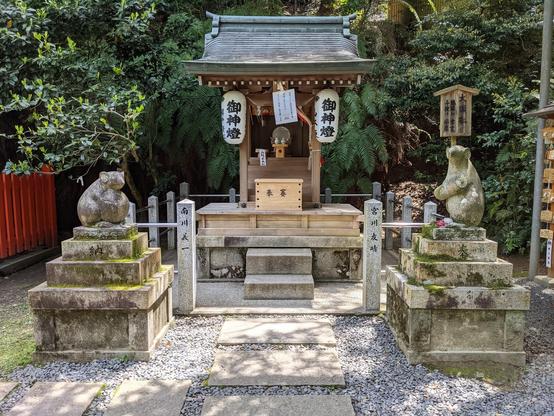
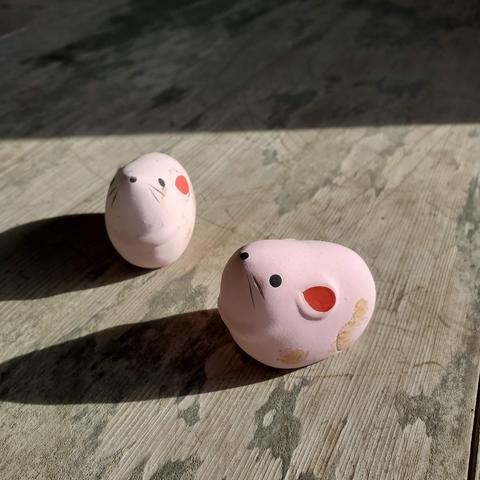
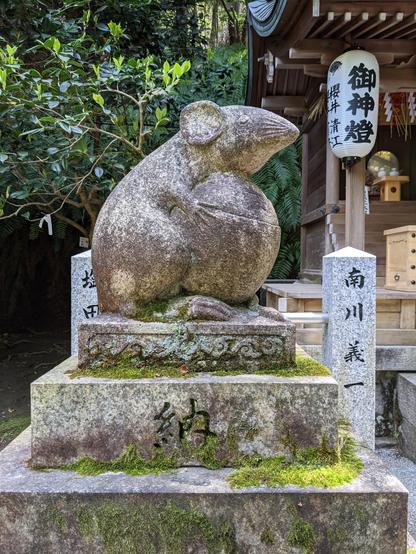
Ōtoyo-jinja (大豊神社) is nicknamed the 'Mouse Shrine' (鼠の社 'Nezumi-no-sha') after 2 guardian mice 'koma-nezumi' (狛鼠)...familiars of the god Ōkuninushi (大国主).
It is said that they are modeled on 2 mice that once alerted locals to a fire!

The left-hand mouse carries a drinking bowl (水の器), representing abundant harvests, protection from illness and success in conceiving.
The right-hand guardian carries a scroll (巻物) to symbolise academic achievement and knowledge.

#Kyoto #Japan #おみくじ

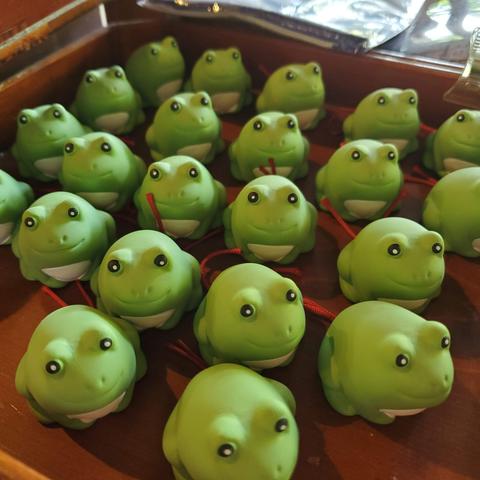
7) FROGS🐸

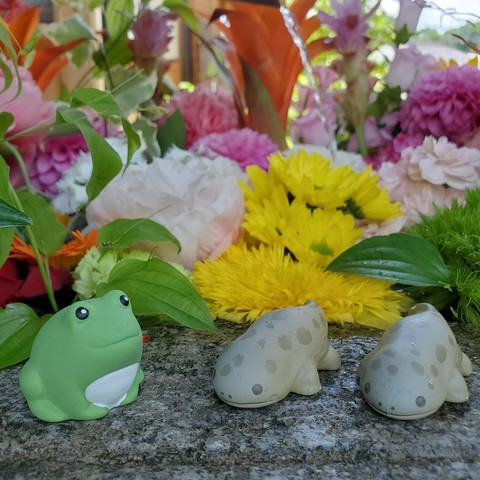
Bishamon-dō Shōrin-ji (毘沙門堂勝林寺) was founded in 1550 by the 205th abbot of Tōfuku-ji, Kōgaku Reishō (高岳令松).

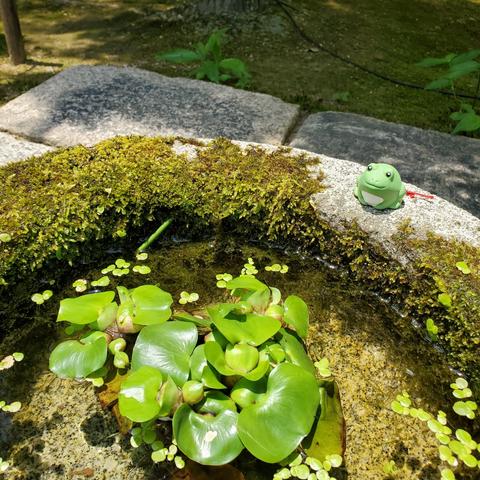
Frog in Japanese is 'kaeru' (蛙), a homonym for 'return' (返る). People thus pray for things like a safe journey, the return of good fortune, and so on.

#frog #蛙 #Tofukuji #Shorinji #毘沙門堂勝林寺

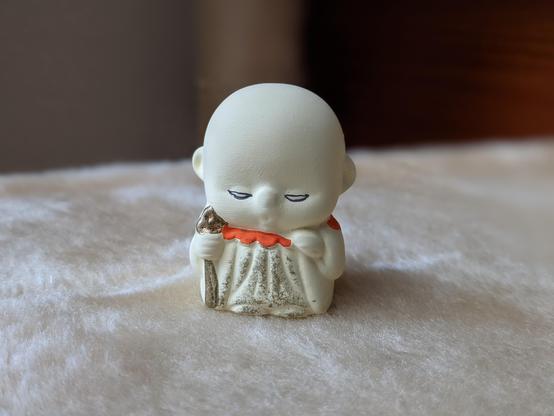
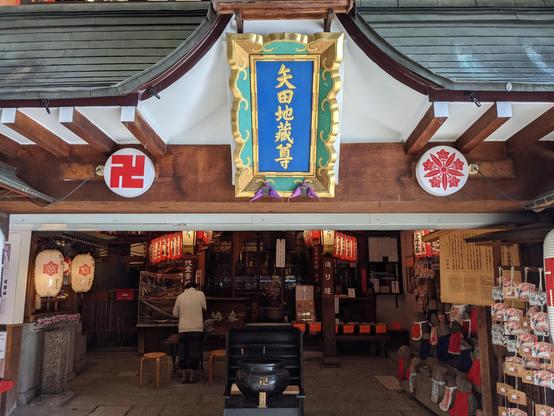
8) JIZŌ🔥

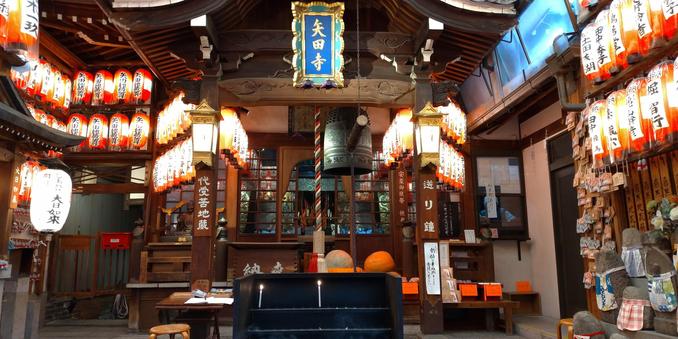
Yata-dera (矢田寺).
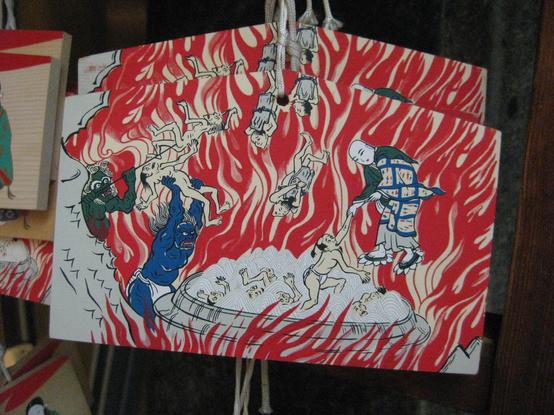
In 820 Mankei (満慶) was asked to administer the Bodhisattva Precepts to Enma, the King of Hell (閻魔大王). On a tour of the underworld he met Jizō who told him to take soil back home and create a Jizō statue to ease the suffering of those in hell.

#Jizo #地蔵 #Yatadera

9) FOXES🦊

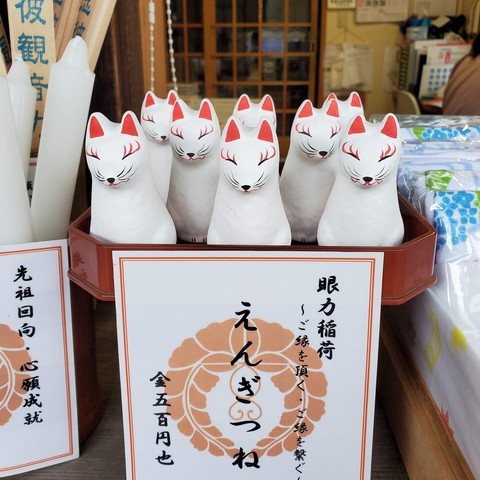
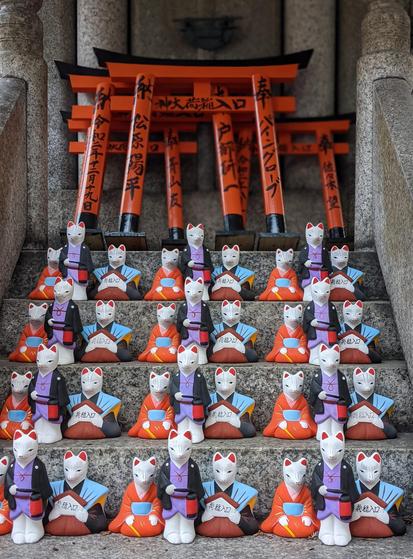
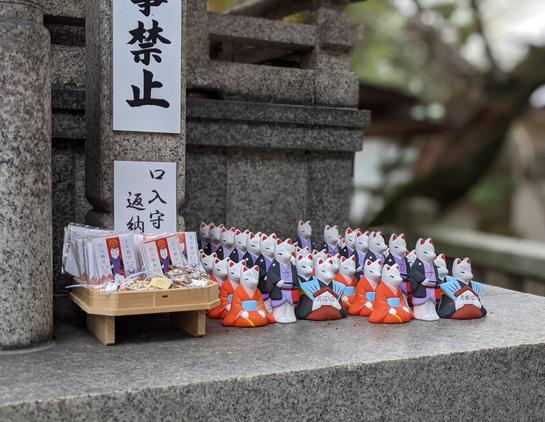
Kitsune (狐) are familiars of the 'rice god' Inari Ōkami (稲荷大神), most probably because they hunted pests that invaded rice stores. In folklore foxes are said to have shapeshifting abilities.

These cute omikuji can be found at Fushimi Inari's Araki-jinja (荒木神社).

#Arakijinja #FushimiInariTaisha #Fushimi #kitsune

10) HORSES🏇

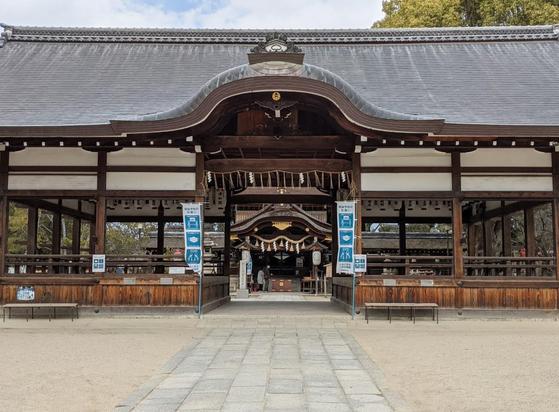
Fujinomori-jinja (藤森神社) enshrines 12 gods in total, and is considered a guardian of horses. People pray for 'luck at winning', including horse-racing.

With a history that may stretch back to 203, the shrine's May 5th festival is celebrated with horse 'stunts'.

#Fujinomorijinja #藤森神社 #Kyoto #京都

11) DAIKOKUTEN🪙

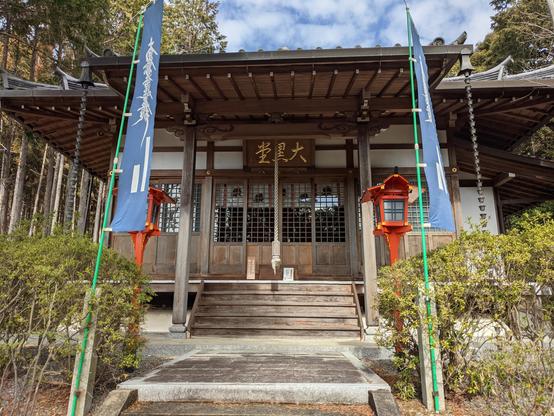
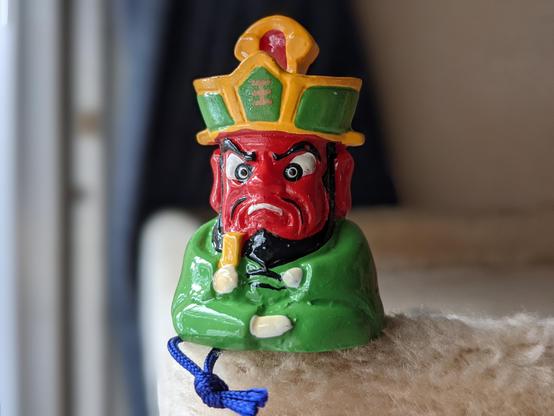
Sanpō-ji (三宝寺) sells 3 kinds of omikuji. The first is in the image of Daikokuten (大黒天), god of commerce & prosperity, patron of cooks & farmers, and the guardian of crops.
The temple's main hall was originally constructed as Emperor Shōwa's enthronement room.

#Sanpoji #三宝寺

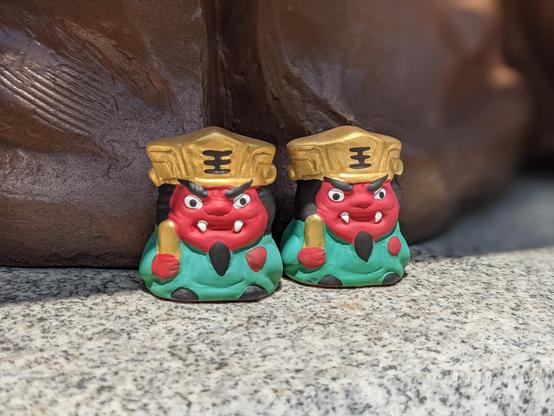
12) THE HELL KING👹

Rokudō Chinnō-ji (六道珍皇寺).
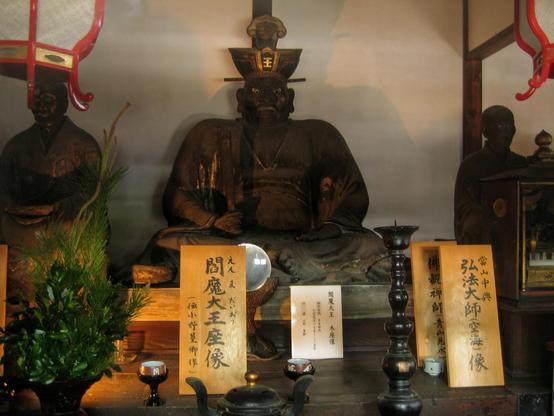
At death humans are summoned before Enma Dai-Ō (閻魔大王), 'king of hell' and 'judge of the dead', who examines their character and dispatches them to their appropriate rebirth (whether to earth or to one of the heavens or hells).

13) SAKURA🌸

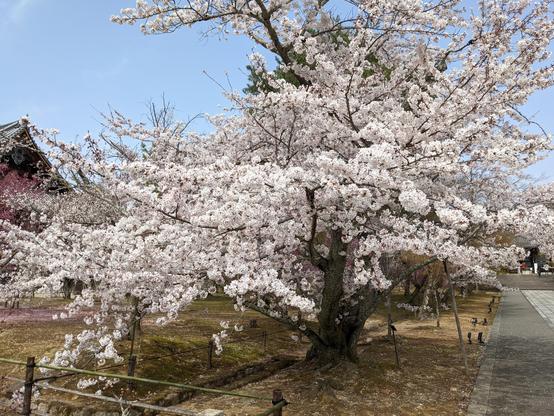
Reaching their peak around mid-April, Ninna-ji's (仁和寺) groves of cherry trees are the last to bloom in Kyōto. Known as Omuro-zakura (御室桜), the temple trees are uniquely stunted, growing to only around 2m tall (due to poor nutrients in the soil). They are a variant of sato-zakura (郷さくら).

14) THE MEDICINE BUDDHA🩹

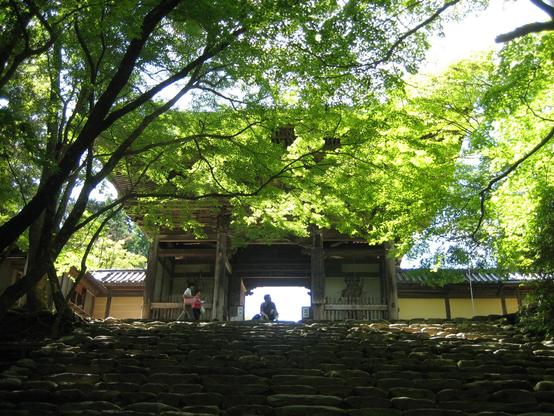
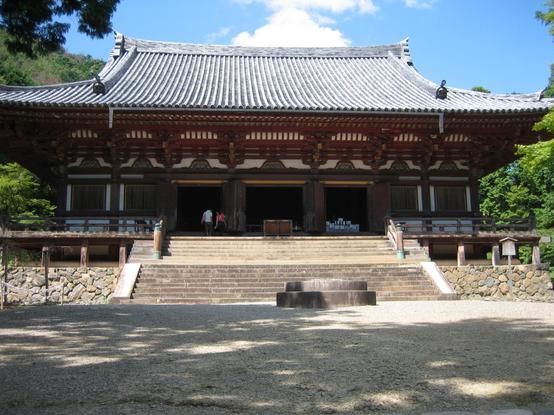
Jingo-ji (神護寺) is a rather beautiful temple situated on the upper slopes of Mt. Takao (高雄山) to the northwest of the city.
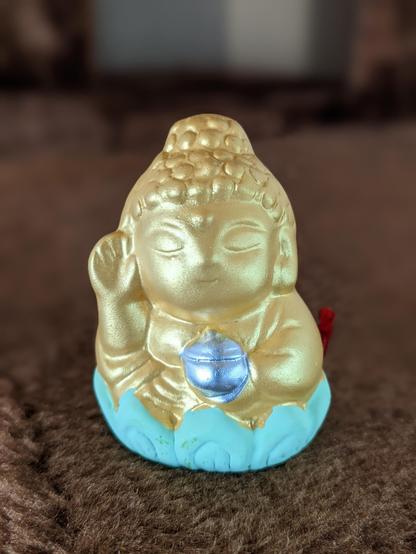
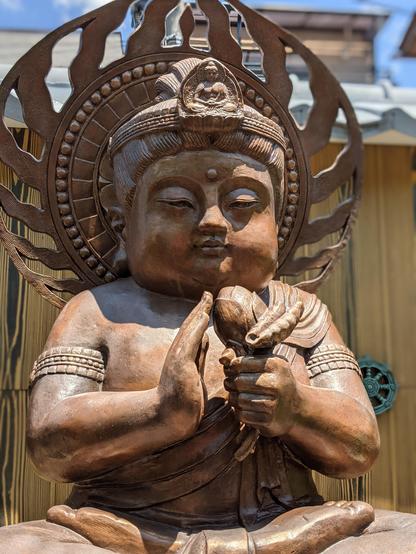
The temple's omikuji celebrates Yakushi Nyorai (薬師如来 'Medicine Buddha'), the principal figure of worship.
#Japan #Kyoto

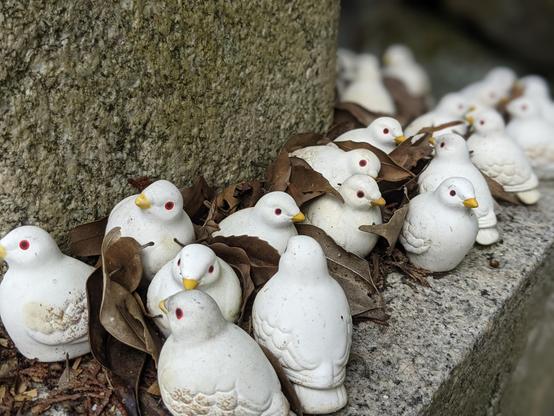
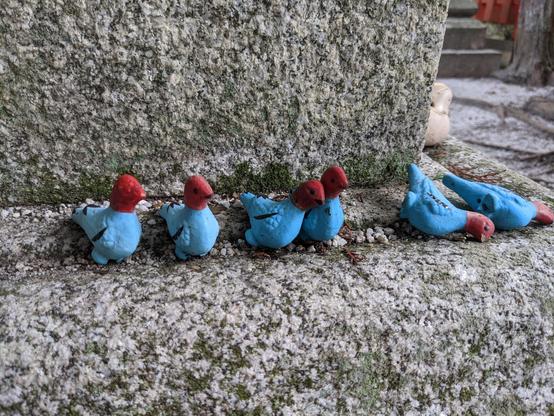
15) PIGEONS🕊️

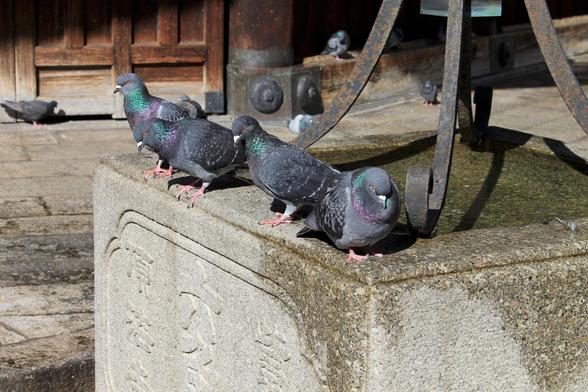
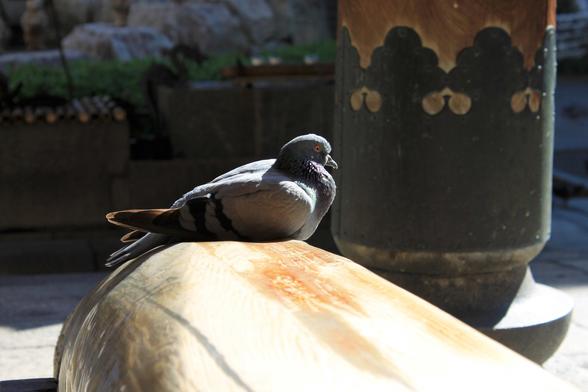
Pigeons feature prominently as a motif at Rokkaku-dō (六角堂), but the birds are not technically connected to the Bodhisattva enshrined.
Usually considered a pest, they have lived peacefully here since the temple was founded by Prince Shōtoku (聖徳太子) in 587.

16) PIGEONS (2)🕊️

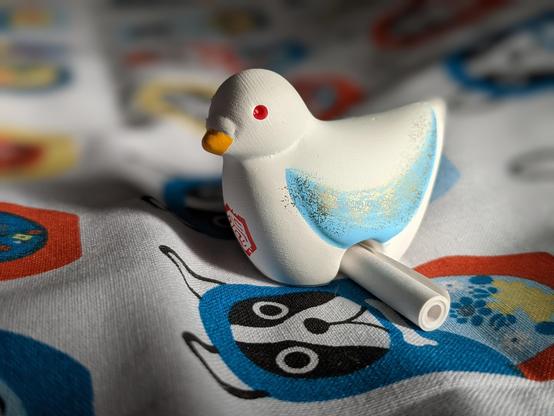
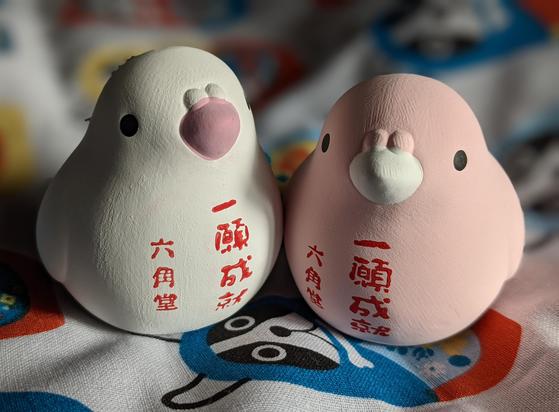
Rokkaku-dō has another kind of pigeon charm, this one for making wishes.
Once considered the very centre point of Kyōto, the temple was already 200 years old when the city was created. Ikenobō (池坊), the oldest and largest school of Ikebana, was founded here.

17) BALLS⚾️
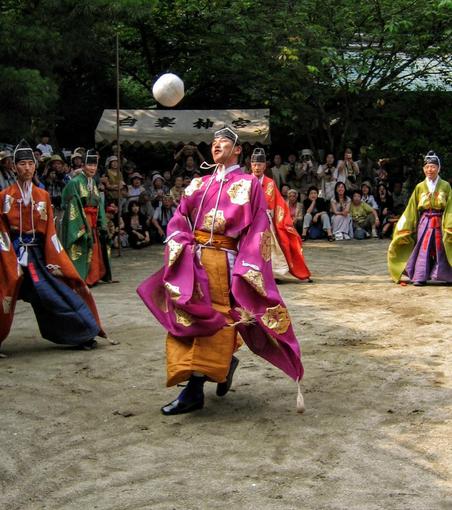
Shiramine-jingū (白峯神宮) was built on land once occupied by the Asukai Clan (飛鳥井家), forefathers of kemari (蹴鞠).
Sei Daimyōjin (精大明神), enshrined in the grounds, is considered 'god of sports'.
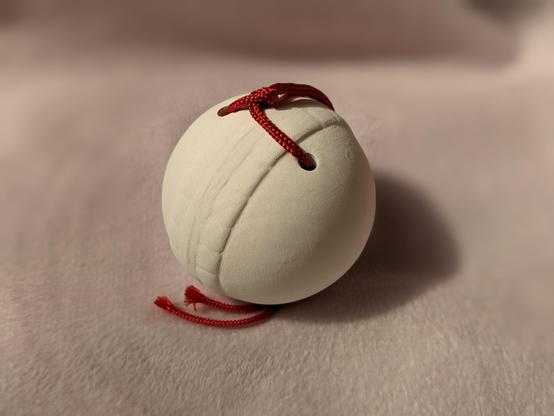
The omikuji is shaped like a kemari ball.
#Japan #おみくじ #Kyoto
18) MANEKI NEKO😸
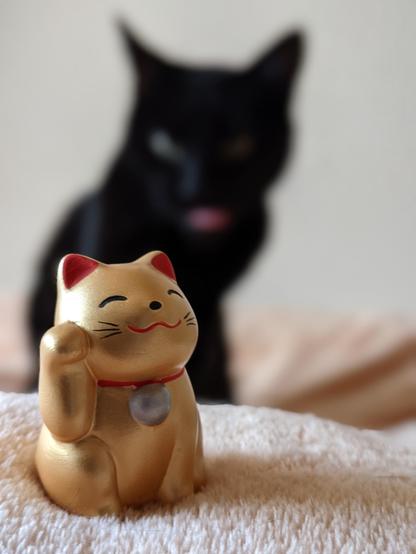
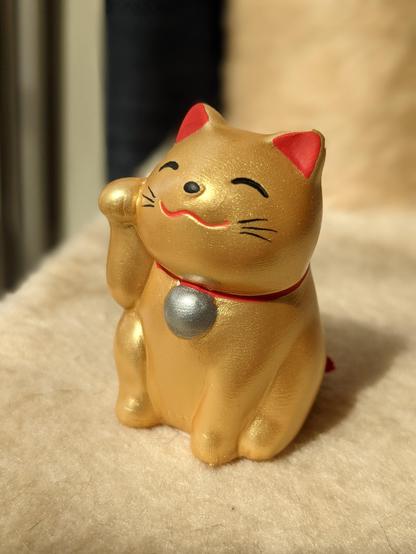
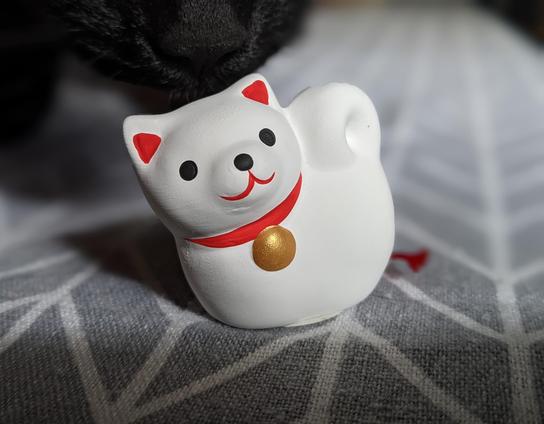
An omikuji not particular to any one shrine or temple, 'Maneki-neko' (招き猫 'Beckoning Cat') is a popular Japanese symbol, ushering in good luck to the possessor.
Appearing in the late Edo period, it is unclear where Maneki-neko originated (Kyōto or Tōkyō).
19) DARUMA👀
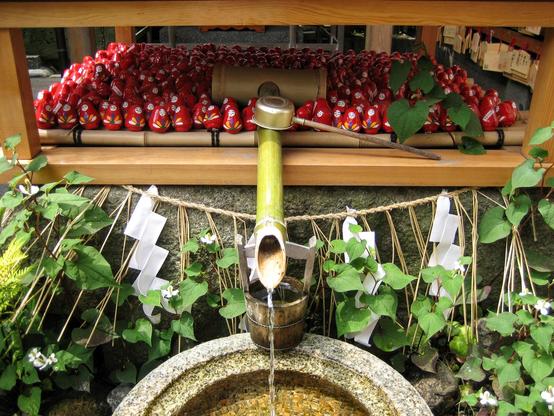
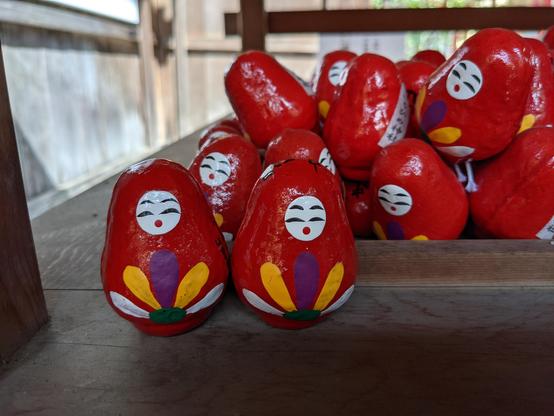
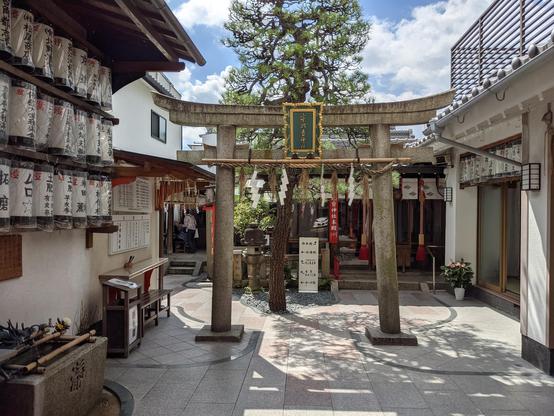
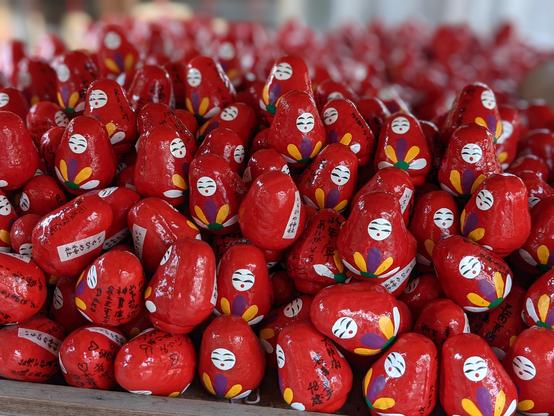
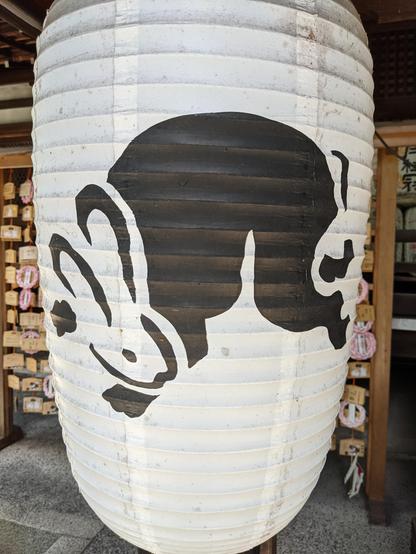
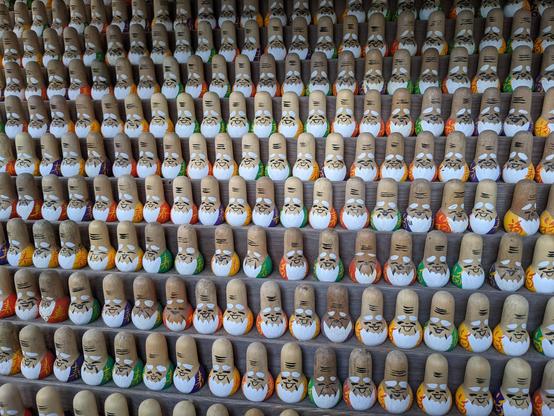
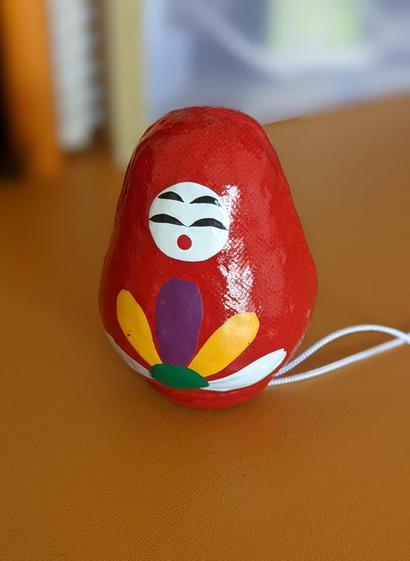
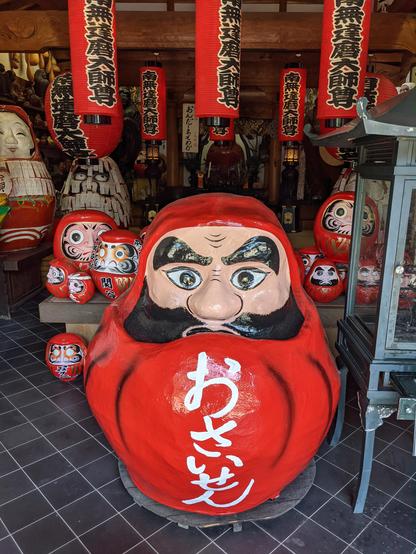
Earlier in this thread we talked about Ichihime-jinja's (市比売神社) 'hime-mikuji' (姫みくじ), but this same design is also used at Hōrin-ji (法輪寺) to represent daruma.
Because the temple is home to over 10000 daruma, it is familiarly known as Daruma-dera (達磨寺).
20) PAGODAS🎶
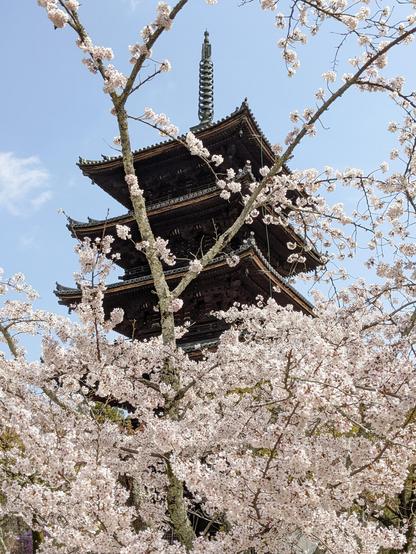
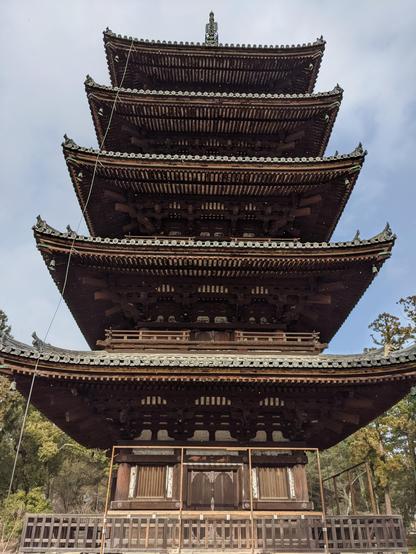
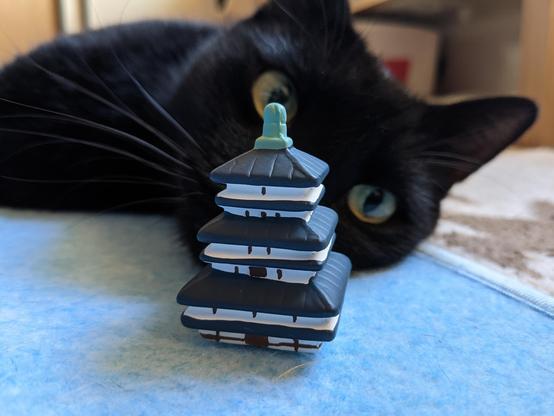
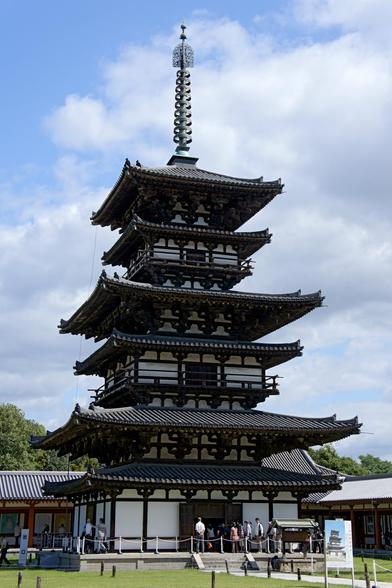
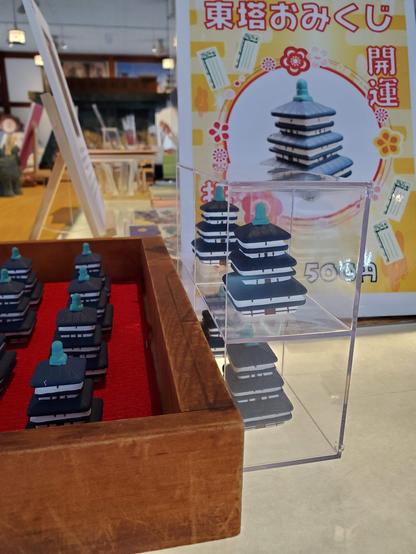
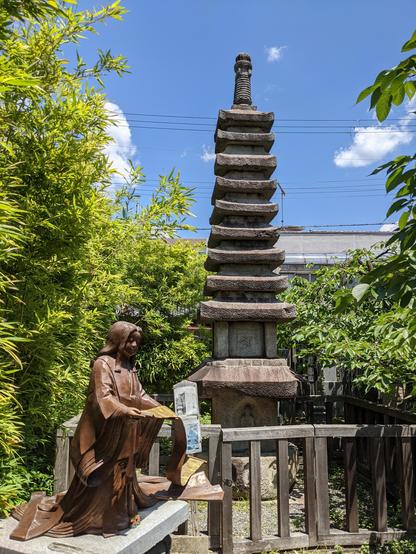
Yakushi-ji's Tō-tō, dating to 730, is considered to be one of Japan's most beautiful pagodas. Art historian Ernest Fenollosa described the 34m tall structure as 'Frozen Music'...alluding to the pagoda's "rhythmical symmetry" and to the fretwork of the finial.
#Nara
21) DOGS🐕
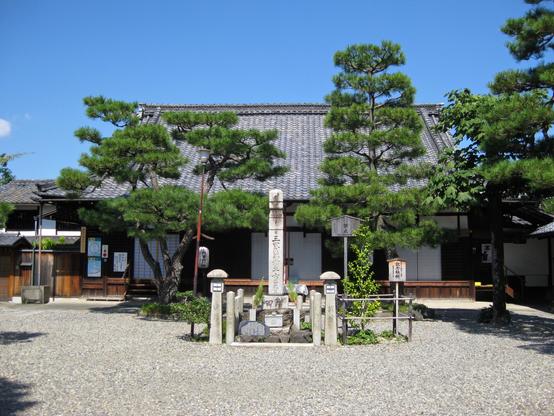
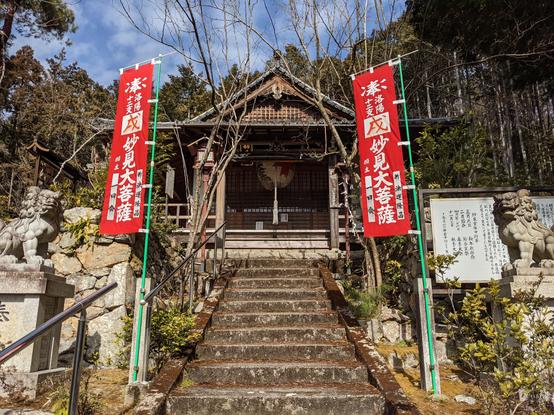
Founded in 1627 by Nichigo (日護), Sanpō-ji (三宝寺) is 1 of 12 temples that make up Kyōto's 'Zodiac Pilgrimage', each site representing an animal from the Chinese Zodiac.
Sanpō-ji is home to the guardian 'Myōken in the Direction of the Dog' (戌の方の妙見さん).
#Kyoto

22) YATAGARASU🪶
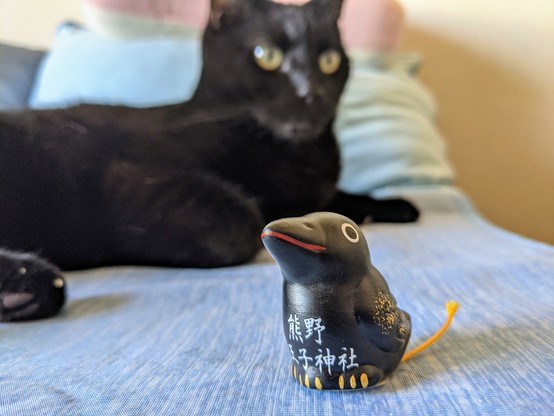
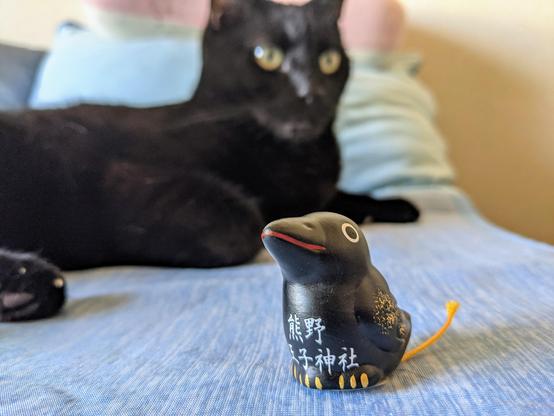
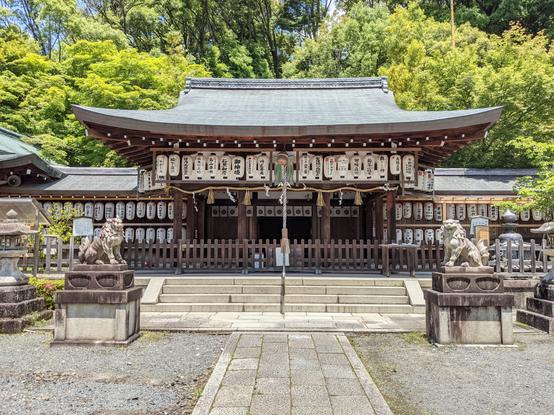
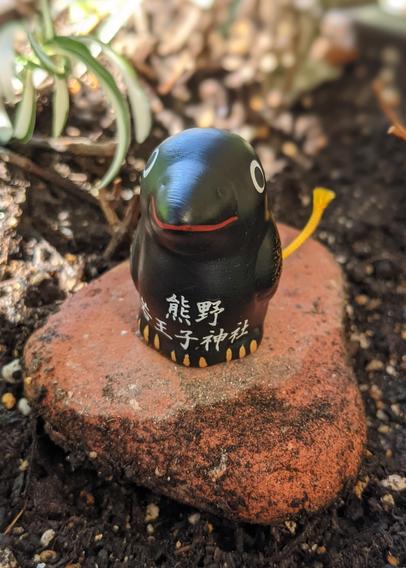
In 1160 Emperor Go-Shirakawa (後白河天皇) invited the 3 gods of Kumano to the capital and established Kumano Nyakuōji-jinja (熊野若王子神社).

The shrine omikuji is inspired by the divine, 3-legged crow (八咫烏) that led Japan's first emperor from Kumano to Yamato.

23) BENZAITEN🌊
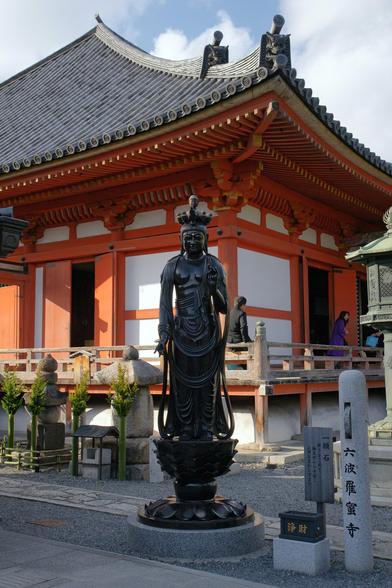
Benzaiten (弁才天) is the goddess of 'everything that flows': water, time, speech, music and knowledge.
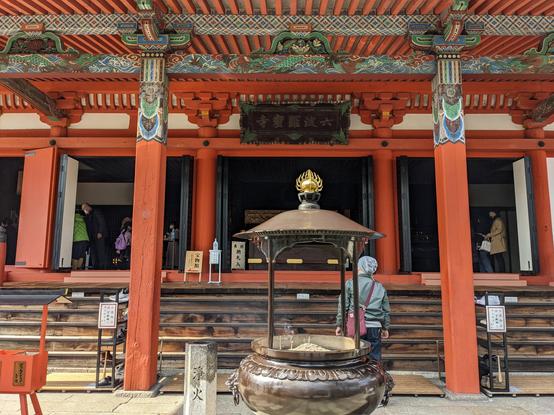
Rokuharamitsu-ji's Benten-dō (六波羅蜜寺/弁天堂) was created after Emperor Sutoku (崇徳天皇 1119-64) dreamt the goddess promised to cleanse the world for him.
24) GOURDS⚔️
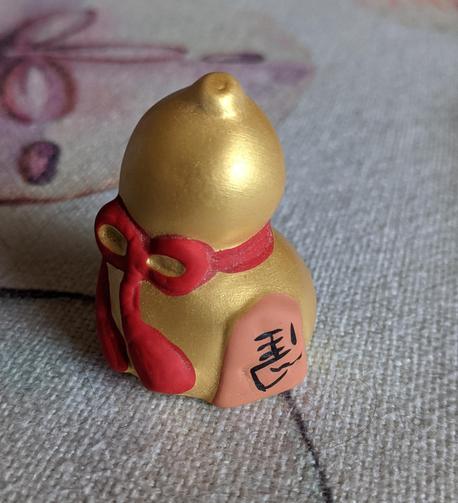
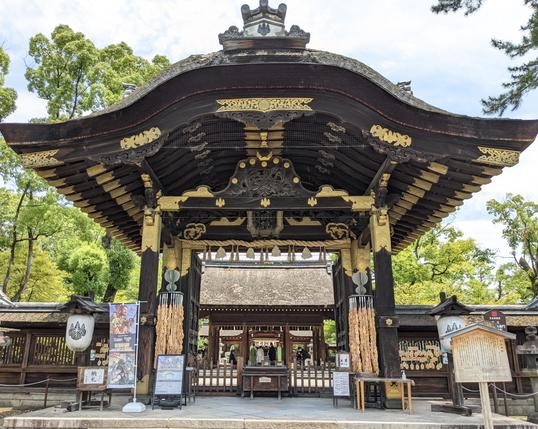
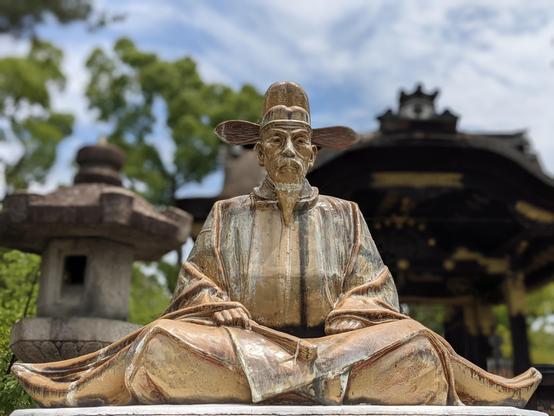
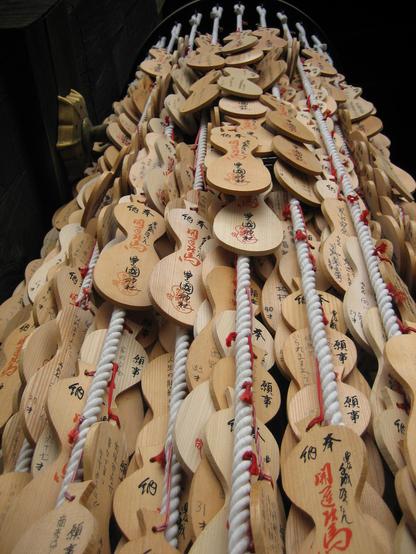
Toyokuni-jinja (豊国神社) enshrines Toyotomi Hideyoshi (豊臣秀吉 1537-98), 1 of Japan's '3 Great Unifiers'.
Using the gourd as an ensign, it is said that every time Hideyoshi won a battle he added another gilded gourd to his standard.
#Japan #Kyoto #おみくじ #京都

25) MANEKI NEKO (2)😺
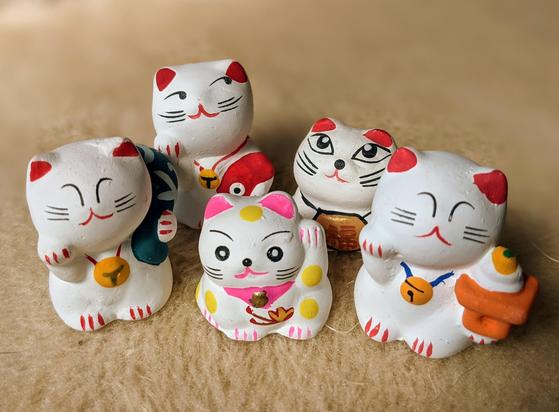
An omikuji not particular to any one shrine or temple, Maneki-neko (招き猫) is a popular Japanese symbol, ushering in good luck to the possessor.
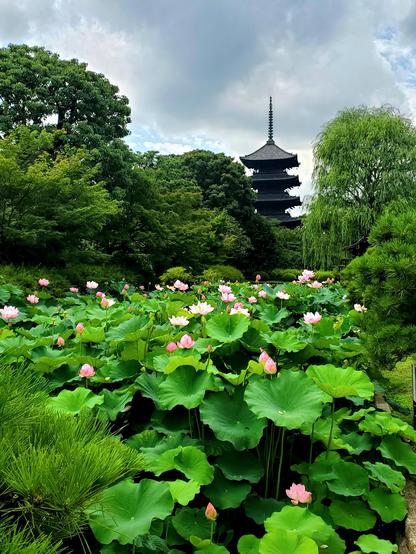
Tō-ji (東寺) sells a charming gang of cheerful cats.

The temple's pagoda is the tallest wooden tower in Japan.

26) THE HELL KING (2)🔥
Senbon Enma-dō (千本ゑんま堂/aka Injō-ji 引接寺) enshrines 'Enma' (閻魔大王). As well as omikuji depicting the 'King of Hell', there are others in the shape of a fan...a nod to the poet Ono-no-Takamura (小野篁), who first installed a statue of Enma here.
27) PEACOCKS🦚
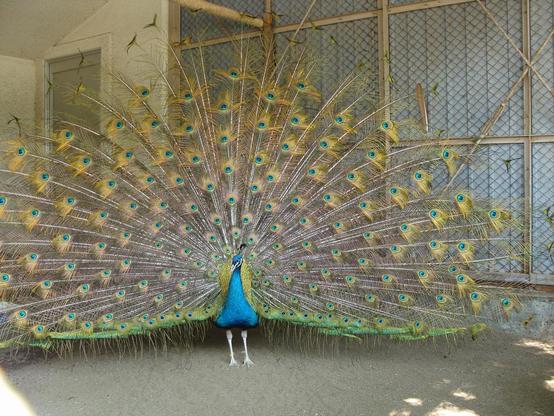
Tanaka-jinja (田中神社), likely older than the city itself, may not be the most famous of shrines, but it has a very unusual omikuji: an egg containing a mizuhiki (水引) peacock (孔雀みくじ)!
The head priest cares for peacocks rescued from an Ōsaka circus🎪❌
#京都
28) PIGEONS (3)🕊️
Miyake-Hachiman-gū (三宅八幡宮) has long been famed as a guardian of children (from mysterious creatures believed to cause sickness).
The shrine was founded by Ono-no-Imoko (小野妹子), envoy to the Sui Dynasty, in 607.
Pigeons are familiars of the god Hachiman.
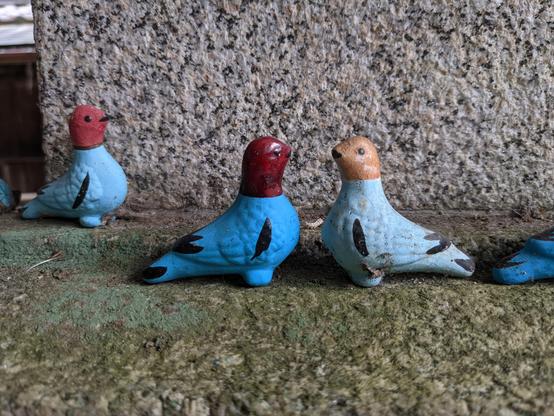
29) PIGEONS (4)🕊️
Worried parents can purchase a colourful pair of 'shinbato' (神鳩 'godly pigeons') from Miyake Hachiman-gū when their children are born. Placed somewhere high in the home, the god will watch over the children until they are grown
In thanks the shinbato are then returned to the god.
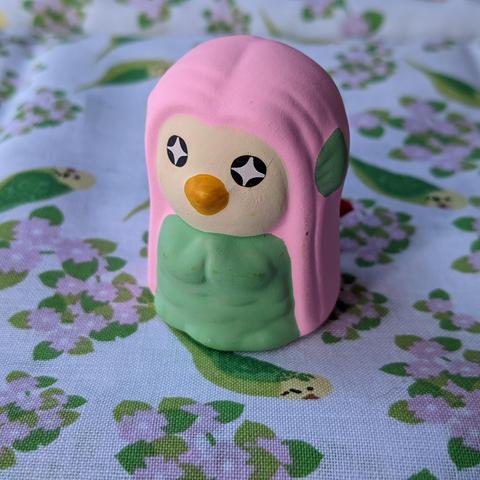
30) AMABIE🧜‍♀️
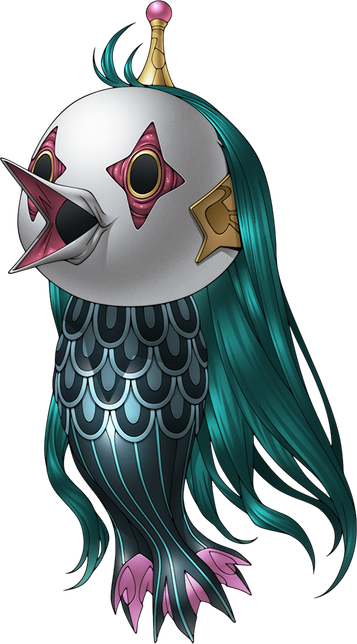
At the start of the pandemic Ryōsoku-in (両足院), a sub-temple of Kennin-ji, was quick to cash in on the Amabie craze sweeping the nation.
Said to protect against disease, Amabie (アマビエ) is a 3-legged, mermaid-like creature.
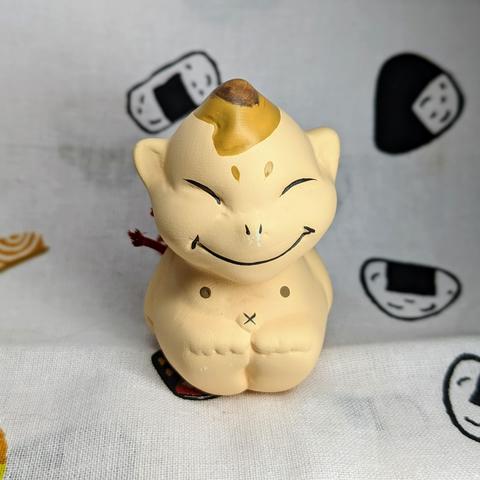
31) BILLIKEN🗝️
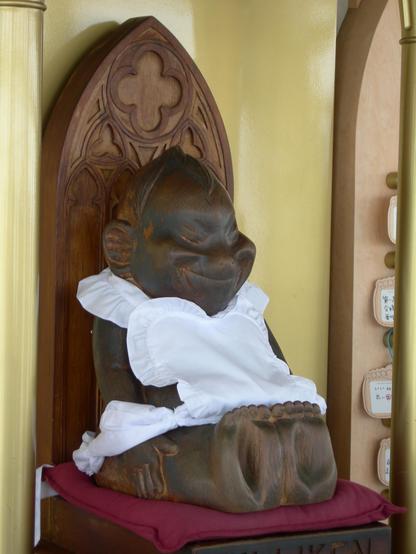
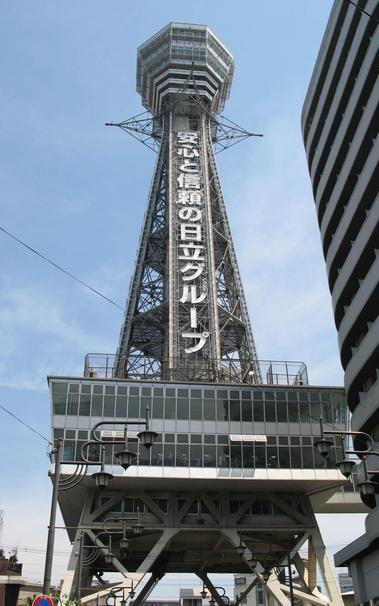
Billiken (ビリケン), the odd looking "God of Things as They Ought to Be", is enshrined on the 5th floor of Ōsaka's famed 103m tall 'Tsūtenkaku' (通天閣 'Heaven Reaching Tower' - 1956).
The 'god' first appeared in the dream of American illustrator Florence Pretz.
32) BISHAMONTEN⚔️
One temple always doing brisk business with its omikuji holders is Ryōsoku-in (両足院)
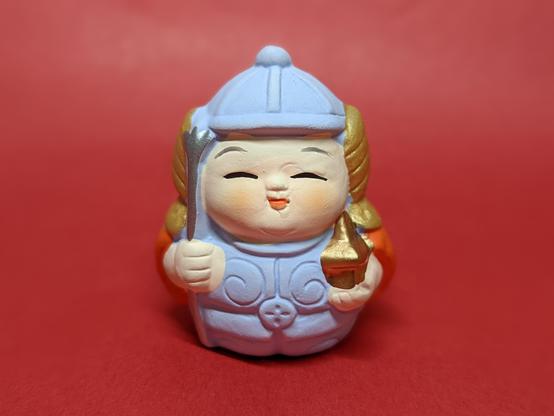
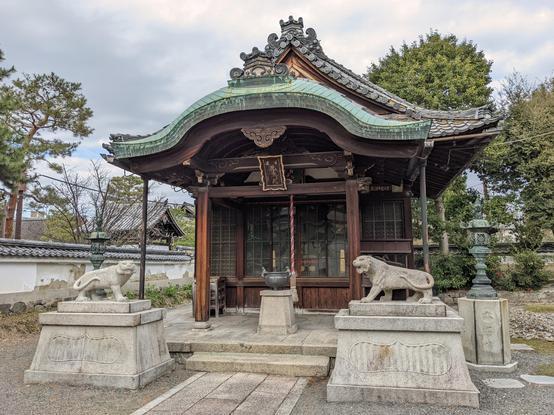
Tucked away beside the entrance is Bishamonten-dō (毘沙門天堂), a small hall enshrining Bishamonten, chief of the 4 Heavenly Kings (四天王), god of warriors and scourge of evildoers.
#Japan

33) TIGERS🐅
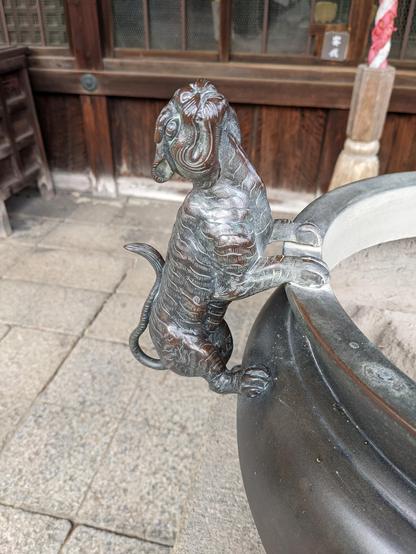
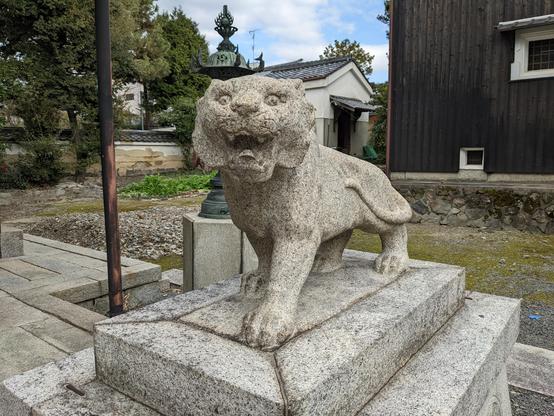
Ryōsoku-in's 3rd omikuji is in the shape of a tiger.

The tiger is Bishamonten's familiar, and the temple's Bishamonten-dō is guarded by a pair of the felines.
It is said that the god first appeared in Japan on the hour and day of the tiger, in the year of the tiger.

34) YOGEN-NO-TORI🪶
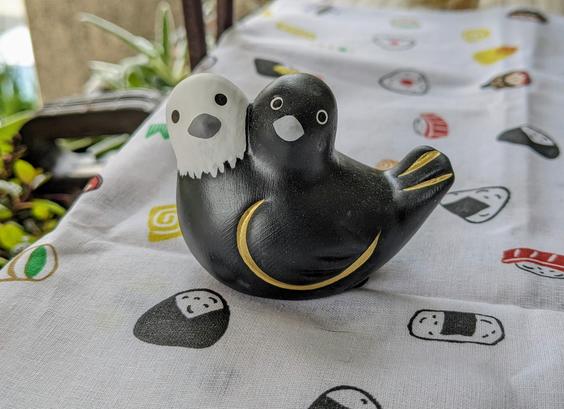
Similar to Amabie, Yogen-no-tori (ヨゲンノトリ) appeared prior to the outbreak of disease, promising protection if its image was displayed.
The prophetic creature, which appeared near Ishikawa Prefecture, looked like a 2-headed crow (1 of them white).
#yokai
A Kai Province official called Kizaemon detailed a sighting near Mt. Haku in December 1857. The bird (perhaps avatar of the Kumano gods) promised salvation from a terrible pandemic.
That summer cholera swept Japan.
An image of the bird was printed to offer the people protection🙏
35) THE HELL KING (3)🔥
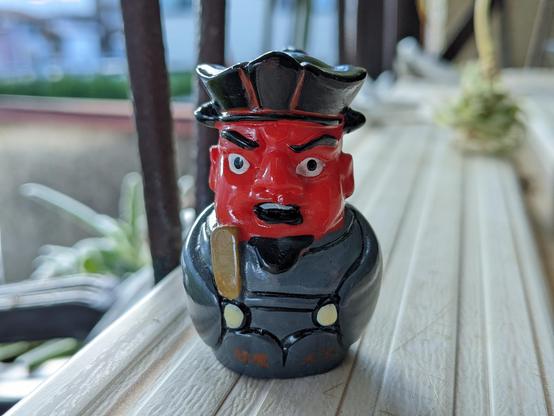
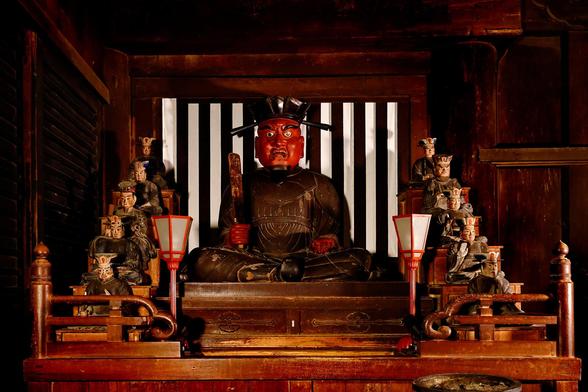
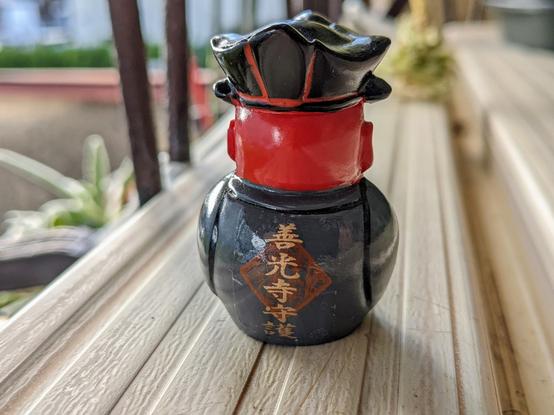
A new addition to my burgeoning Hell King collection, this one from Zenkō-ji (善光寺) in Nagano.
The Enma-dō (閻魔堂), constructed in 1860 to commemorate the 300th anniversary of the '4th Battle of Kawanakajima', houses Japan's largest statue of Enma.
@camelliakyoto “the Hell King Collection” sounds like a really badass line of personal care products or similar 😆

@camelliakyoto I loved Amabie's design in Shin Megami Tensei V Vengeance!

Amabie | Megami Tensei Wiki
https://megatenwiki.com/wiki/Amabie