Repellency and toxicity of a CO2-derived cedarwood oil on hard tick species (Ixodidae) - Experimental and Applied Acarology
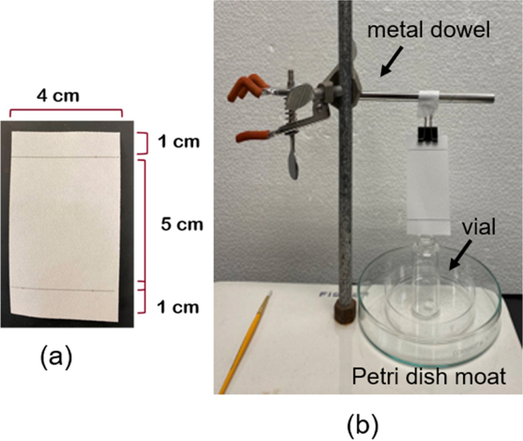
The repellency and toxicity of a CO2-derived cedarwood oil (CWO) was evaluated against actively questing unfed nymphs of four species of hard ticks: Amblyomma americanum (L.), Dermacentor variabilis (Say), Ixodes scapularis Say, and Rhipicephalus sanguineus (Latreille). Using a vertical climb bioassay for repellency, nymphs of these species avoided a CWO-treated filter paper in proportional responses to treatment concentrations. At 60 min of exposure, I. scapularis nymphs were most sensitive with 50% repellency concentration (RC50) of 19.8 µg cm−2, compared with RC50 of 30.8, 83.8 and 89.6 µg cm−2 for R. sanguineus, D. variabilis and A. americanum, respectively. Bioassays determined the lethal concentration for 50% (LC50) and 90% (LC90) mortality of nymphs exposed to CWO in treated vials after 24- and 48-h exposure. After 24 h exposure, the LC50 values were 1.25, 3.45 and 1.42 µg cm−2 and LC90 values were 2.39, 7.59 and 4.14 µg cm−2 for D. variabilis, I. scapularis and R. sanguineus, respectively, but had minimal effect on A. americanum. After 48 h exposure, the LC50 values were 4.14, 0.78, 0.79 and 0.52 µg cm−2, and LC90 values were 8.06, 1.48, 1.54 and 1.22 µg cm−2 for A. americanum, D. variabilis, I. scapularis and R. sanguineus, respectively. The repellency of CWO on tick species decreased with time. The repellency and toxicity bioassays demonstrated concentration-dependent responses of tick nymphs to the oil, indicating the potential of the CO2-derived cedarwood oil be developed as an eco-friendly repellent and/or acaricide.
 DriftlessRoots
 Colin Purrington
 MeerderWörter
 🍁voilà-DCKIM🍁