 O! ver
It has been shown that the Andes variant of the #hantavirus is transmitted from person to person via aerosols. Fortunately, it did not infect all the guests at a huge birthday party during the outbreak in Epuyén, Argentina, in 2018.
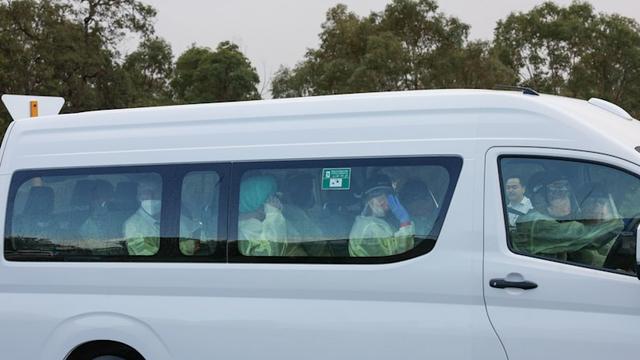
However, after the first cases appeared, people began wearing N95 masks, rather than paper tissues as seen in this photo:
https://www.watoday.com.au/national/western-australia/hantavirus-pilots-to-fly-home-after-one-night-of-quarantine-with-passengers-20260516-p5zxqj.html
However, after the first cases appeared, people began wearing N95 masks, rather than paper tissues as seen in this photo:
https://www.watoday.com.au/national/western-australia/hantavirus-pilots-to-fly-home-after-one-night-of-quarantine-with-passengers-20260516-p5zxqj.html