
The French government has announced the measures of its plan to accelerate electrification:

- a ban on gas boilers in new houses from the end of 2026
- increased support for replacing old heating with heat pumps
- 100 regions will pilot comprehensive heat transition plans to phase out gas by 2030

[1/3]

https://www.info.gouv.fr/actualite/electrification-les-mesures-annoncees-par-le-gouvernement
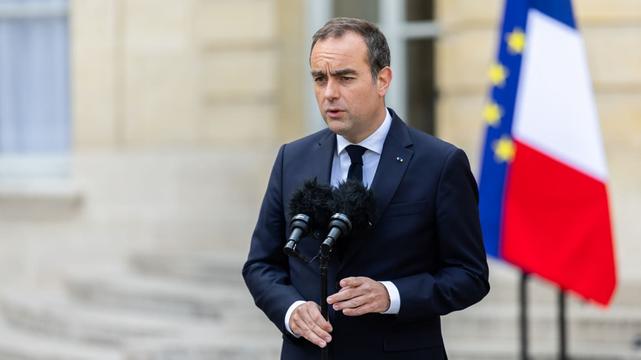
Électrification : les mesures annoncées par le Gouvernement | info.gouv.fr

VIDÉO. Leasing social, pompes à chaleur, voitures électriques… : la France accélère son électrification pour réduire sa dépendance au gaz et au pétrole et renforcer sa souveraineté. Le soutien à l’électrification atteindra 10 milliards d’euros en 2030.

info.gouv.fr

Doubling down on electric mobility:

- The social leasing scheme, which helps lower-income households switch to an EV, returns in June with double the capacity (2 x 50,000 cars)

- On top of this, support will be provided for an additional 50,000 EVs for 'frequent drivers' in the middle classes

[2/3]

This should not replace 'dependence on oil' with 'dependence on imported vehicles'. French car makers should produce 400,000 EVs a year (2027) and one million by 2030

- Up to €100,000 of support for electric commercial/HDVs for SMEs

- Dedicated measures for industry and agrifood, such as ovens

[3/3]

@burger_jaap Quite a bit sad that we are not taking this opportunity to shift away from individual transportation with >1T vehicules.
@BrKloeckner @burger_jaap
⬆️ This, and maybe even individual transportation in general. There is a lot of room for improvement on the public transport sector here…
@samy @BrKloeckner @burger_jaap this is classic country vs city thinking. It works in the Netherlands because of population density. There are many areas in France where you’d serve 3 houses and a dog on a bus line taking hours in either direction. Bus routes are essential but you need to be able to make them work or swallow the cost when they don’t.
@dianshuo @BrKloeckner @burger_jaap
I agree. You can’t compare NL and F in that regard. But public transport should be seen as a public service and not a commercial success primarily, IMO.
Even in a very remote area in D would there at least be a bus once in a while.
Here there is just nothing. We are trying French countryside without a car and it is a real challenge, even along a „major“ TER line, which half the time is out of order with zero replacement.
@samy @BrKloeckner @burger_jaap then your transport needs to be a state entity. Or at least your country side part needs to be. You also need some level of state price control. Otherwise your 3hr countryside bus is €30 a ride which also doesn’t work. Lastly recognise the bus at distance is for communication not commuting.

@dianshuo It's important to know that local/regional transport is more a responsability of the regional Conseil Générale and local authorities, not the central government.
So you find big differences between regions, and some ideas even come from the people and are invisible. I live in a region with bad public transport on the mountains, and even one bus a day would be too expensive. But every village has a parking place for covoiturage, carpooling. We have apps

@samy @BrKloeckner @burger_jaap

@dianshuo for connecting. We have apps to ask people to bring us our shopping stuff from drive ins when they take the same direction.

Of course, we do need much more public transport but reality is like @dianshuo described it well. The other reality is that most of the remote communities are very poor, and prefer to invest in schools and other important structures.

Nevertheless, a lot has changed already!

@samy @BrKloeckner @burger_jaap

@samy @burger_jaap I did note exclude all individual transportation because of 1) bicycle 2) some areas/situations where a car is a proportionate mean of traveling, as soon as it is not a bulldozer.