#solarpunksunday #gardening #garden #jardin #garten

If you are concerned about rising food costs, please consider getting rid of your lawn.

Cheapest way to do it thread đź§µ 1/
(TLDR)
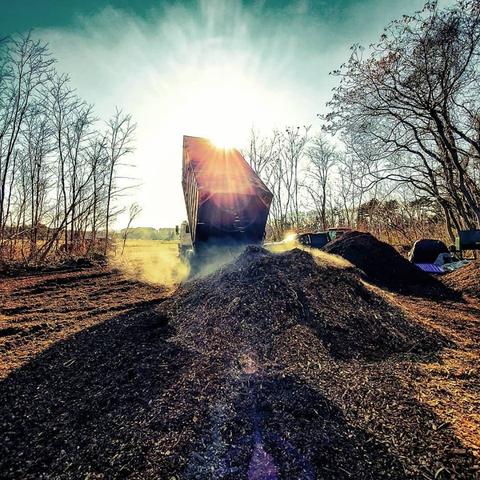
-connect with arborist for free wood chips
-obtain “green” compost from local businesses
-height/fencing
-bokashi and sealed water bucket method of producing fertilizer
-leftover water from washing rice and lentils
-will be ready to plant next year, otherwise add soil if planting this year
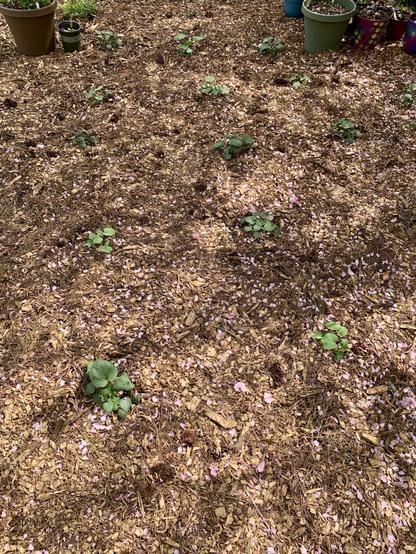
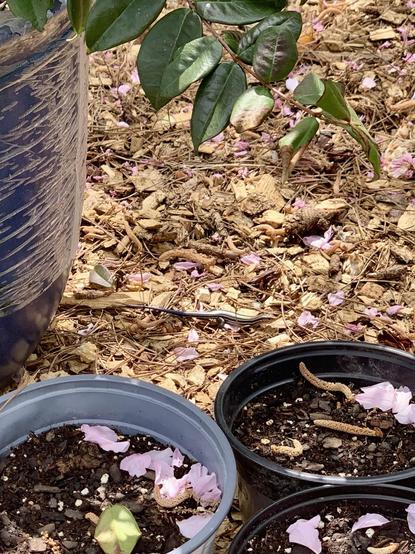
2/ Two resources to obtain free woodchips:
the first link is free woodchips in the US and the second is in the UK.

https://getchipdrop.com/

https://freewoodchips.co.uk/

Free Wood Chip Mulch from ChipDrop

Helping gardeners get free mulch. Helping arborists empty their trucks.

ChipDrop

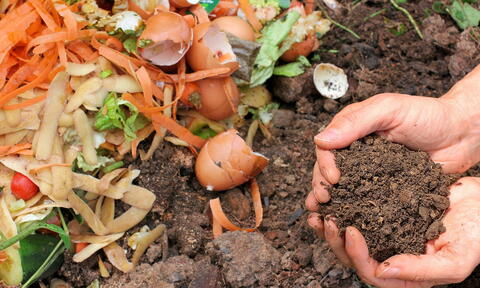
3/ Composting (to put it simply) is a mix of around 1/3 “greens” and 2/3 “browns.” The woodchips are “browns” so to develop soil, you need to mix in as much greens as you can find.

See if local cafes, restaurants, juice bars, grocery stores, distilleries (mash) will offer you free “green”waste.

More info here: https://www.almanac.com/how-to-make-compost

How to Make Compost: A Guide to Composting at Home

Learn how to compost at home! Discover hot, cold, and worm composting methods, what to compost, and tips for a healthy, odor-free pile.

Almanac.com

4/ To build a giant raised garden bed, first shave the lawn as close as possible to the ground and lay down cardboard (make sure there is no tape/plastic) or layers of newspaper. Then start piling the greens and browns on top stomping down as you go to make it compact.

The pile should be over 2 1/2ft / 76cm tall at least. It is going to shrink down significantly.

5/ If you are expecting to plant this year, you need to fence the entire raised area or animals will raid your plants.

Fencing is the biggest expense. After building most of the raised bed pile, it’ll be sloped at an angle. Hammer down fence posts at the bottom of the slope, wrap the fencing around and then fill in the rest of the area up to the fence so that baby bunnies don’t crawl under any loose spaces.

6/ Bokashi method of composting allows to you use alternative types of waste that are not typical “greens” but you have to buy bokashi bran. https://www.almanac.com/bokashi-composting

Another fertilizer method is to add weeds, trimmings and other greens to water in a sealed bucket set in the sun for 6 weeks to ferment.

Don’t forget the leftover water from washing rice and lentils makes great fertilizer. You can even grind up raw lentils to a powder, mix with water and fertilize you plants that way.

Bokashi Composting: The Step By Step Beginner's Guide

Learn all about bokashi composting, a fast method of reducing food waste and creating nutrient-rich compost, with minimal odor.

Almanac.com
7/ The raised bed will be ready to plant directly into next year. If you want to plant in the bed this year, you will need to start the plants as seeds in seed starting pots then after the plant has sprouted and formed true leaves, dig a space 2-3 as large as the seed starting pot and fill with raised bed soil (another expense) and plant the seedling and cover with a thin layer of mulch.

@jblue I've been at this & after over 4 years, unfortunately I still have a huge amount of grass, part of the problem being scale, if you dont do it all at once, it'll creep back up as a basic game of whackamole... it's on my long list to hire some help to first cut it all super short & then get & pour about 4-6inches of woodchips over my entire "grass" area, which is over 1/2 an acre.

Alternatively I might get a compact tractor & basically shred it with 2 attachments.

8/ Without adding any bed soil at all, the only things (in my experience) that will grow are Romano pole beans if you plant them 6-8”/17cm deep in the spring or sweet potatoes. They still need to be fertilized.
@jblue community service right here. Thanks for this write up!