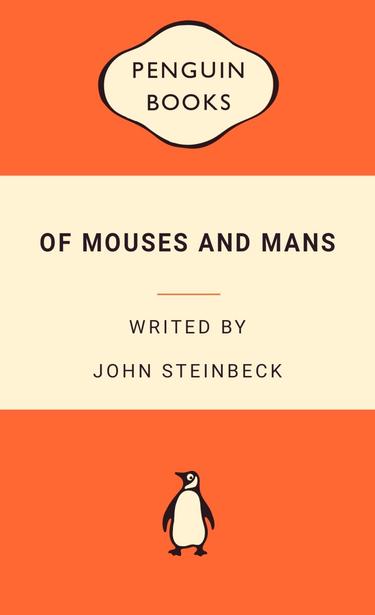
The geat were eating nit under the each.

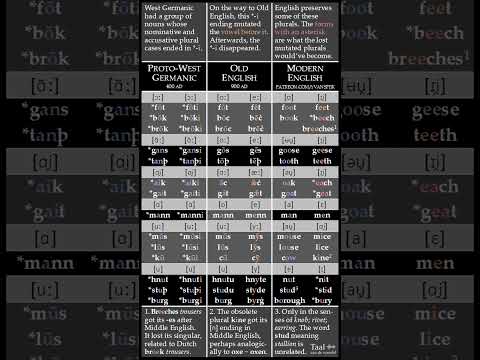
‘Geat’, ‘nit’, ‘each’– this is what the original plural forms of ‘goat’, ‘nut’, and ‘oak’ would’ve looked like if they hadn’t been replaced by ‘goats’, ‘nuts’, and ‘oaks’.

How did plurals with a vowel alternation came to be, such as ‘man ~ men’ and ‘mouse ~ mice’?

What would the lost ones have sounded like if they’d been preserved?

My short video will tell you:
https://youtube.com/shorts/CTjYP8skREc
58: One goat, two geat

YouTube

2/

If you’d like to learn all about this phenomenon – which extends way beyond plurals but has got nothing to do with vowel alternations in verbs, such as ‘ride ~ rode ~ ridden’ – I highly recommend Danny Bate’s article:
https://dannybate.com/2022/03/17/of-mouses-and-mans-the-origins-of-englishs-vowel-swapping-nouns-and-verbs/

Of Mouses and Mans? — The Origins of English’s Vowel-Swapping Nouns and Verbs

Introduction: Nouns, Verbs and Variable Vowels In present-day English, the plural of mouse is usually mice, and one man plus another equals two men. While most English nouns are made plural simply …

Danny L. Bate