 Chamomile 🐑
 Dot Maetrix
Alternate censored versions of films are my favourite bonus feature that you can put on a disc

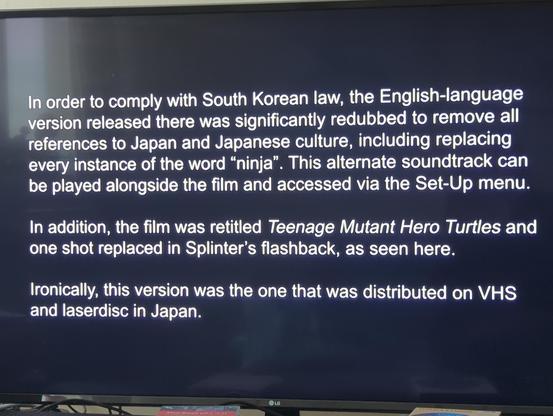
@DotMaetrix What was the deal with ninja censorship in the 90s?
Like blowing people to bits with guns in Shadow Warrior was okay, but god forbid anyone see a shuriken.
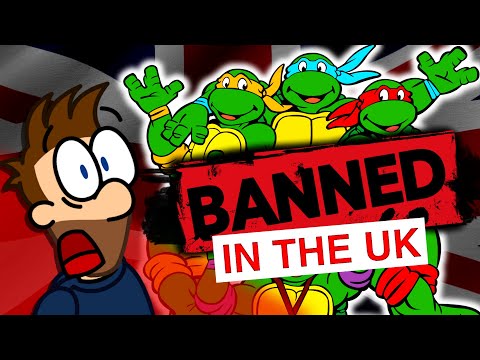
@itsolive Eddache did a good video about it a while back, focusing mainly on the Turtles cartoon in the context of Britain being Like That
@DotMaetrix south korean censorship is such a thing
especially when it comes to japanese video games back in the 1980s/90s
usually japanese companies weren't just allowed to release their stuff in south korea at all, so it went through an intermediate korean company for legal reasons, so they had their own version of the famicom, the master system, the megadrive, etc.
there's a 16-bit sega game called "Mystic Defender" in the west, it was based on a manga called "Peacock King" in japan -- for the korean version, they had to stitch a mix of the two versions, plus change some characters in cutscenes wearing traditional japanese clothing to traditional korean clothing, and changed one character's name because it matched a japanese warlord's
SNK's fighting games fared better, usually retaining japanese characters in their cast (they had a good relationship with the korean company they worked with, plus often put in a positive korean character in the roster -- in fact, Kim Kaphwan of Fatal Fury is named after a real person at said company), but in one notable instance, "Samurai Spirits" ("Samurai Shodown" in the west) was renamed "Saulabi Spirits" seemingly in reference to a conspiracy theory that the japanese concept, and word for, "samurai" was stolen from the korean "ssaurabi" meaning "fighting man"
also any games that had japanese lyrics in the music had to replace them with something else, this (and similar laws in other countries) is why a lot of arcade machines had separate "Asia" versions
@DotMaetrix also, back in the 1990s there weren't laws that automatically made copyright registration valid worldwide, so south korea, alongside taiwan, had a bustling and entirely legal video game piracy industry based on copying games from japan
in taiwan specifically, it was really hard to register copyright on your code if you're a foreign company, so companies like nintendo, konami, etc. could only pursue trademark infringement
and now you know why bootleg video game cartridges from that era could have a copy of super mario bros. 3 with the words "super mario bros." missing from the title screen, or why other games were missing the developer's name from the title screen (and also why a lot of early anti-piracy measures amounted to "let's make the game super difficult if the word KONAMI isn't where it should be)
 Brookside {Cathedral Beast}
 Scavello
 & Ashley
 Olive
Olive 🤖Robot Enby Xero🤖
 /dev/urandom