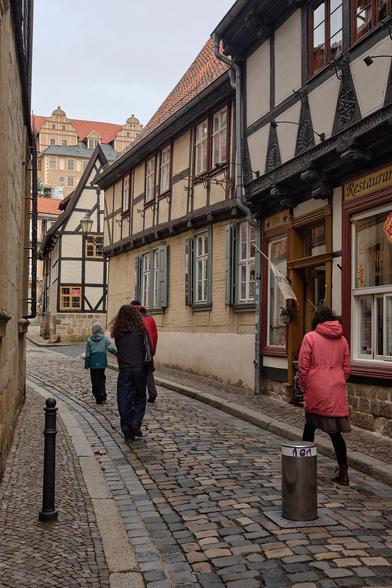
There probably are not many places in Germany where heading back into the Late #MiddleAges is easier than in #Quedlinburg.

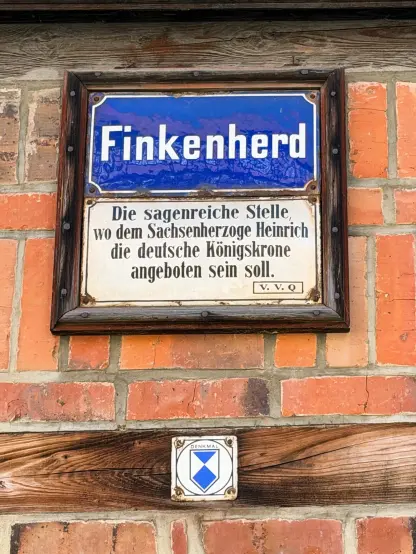
Take #Finkenherd No. 1 for instance: Originally built in the early 16th century, sometime between 1500 and 1540, this house is not only a nice little gem of architecture history …
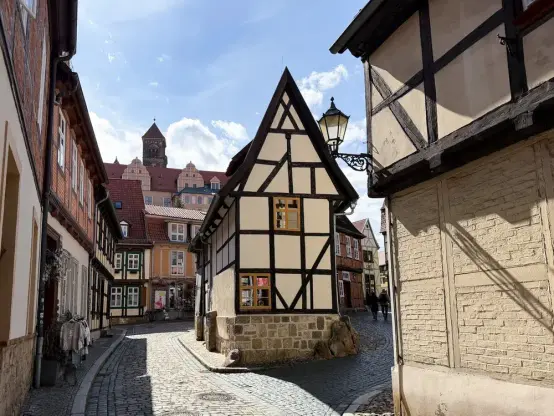
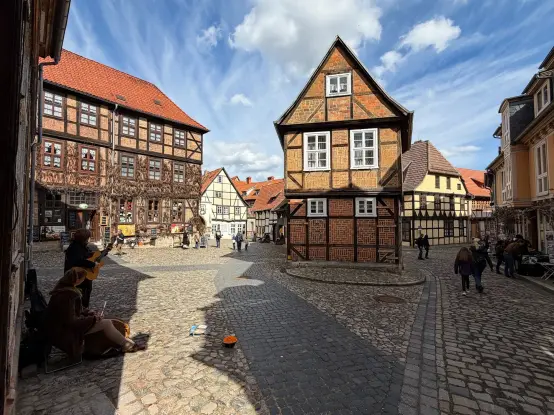
The very same address also marks another important spot in German history. At least according legend, it was here where bird-hunting #HenryTheFowler, Duke of Saxony, was surprised by messengers sent to offer him the crown in 919, making him the first non-Frankish king of East Francia.
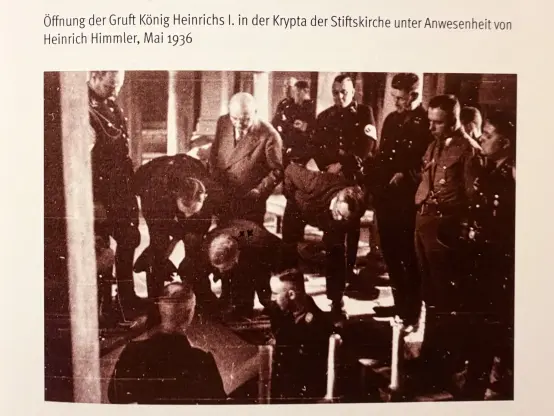
As Heinrich I. he established the #Ottonian dynasty of kings & emperors, making him the founder of the medieval German "state" to some - with mandatory nationalist consequences, like e.g. the Nazis digging for lost emperors, indeed here in #Quedlinburg

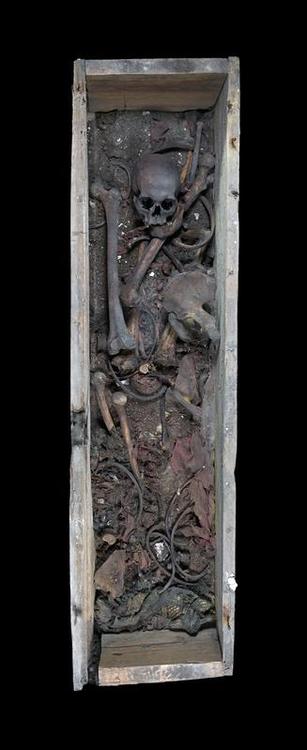
… with limited success, though: Heinrich's tomb, after a long and changeful history, was empty.

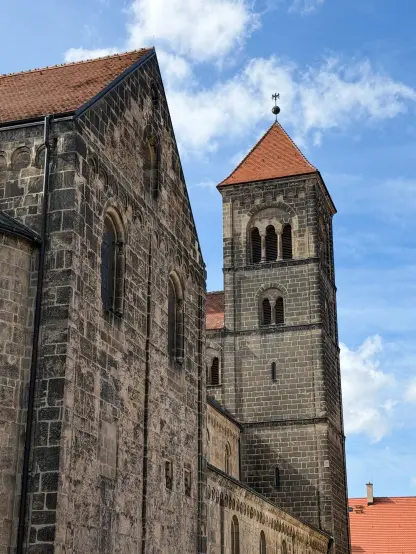
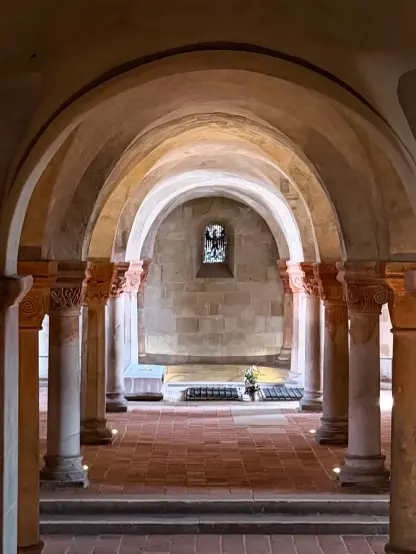
#Matilda​'s burial, however, remained there inside the #crypt underneath #Quedlinburg​'s conventual church St Servatius:

https://media.domschatzquedlinburg.de/detailseite/das-grab-heinrichs-i-in-der-krypta

Just in case you're really curious about #Ottonian​s and Holy Roman Emperors following the path Heinrich laid out, you're surely interested in these latest findings around #OttoTheGreat​'s (Matilda's & Heinrich's son, † 973) grave in #Magdeburg Cathedral:

https://nachrichten.idw-online.de/2026/03/20/the-emperor-s-body-identity-of-the-mortal-remains-found-in-the-sarcophagus-of-otto-the-great-confirmed

The emperor's body. Identity of the mortal remains found in the sarcophagus of Otto the Great confirmed

@jens2go In cold weather it feels even more medieval ;)
@jens2go was there a couple of years ago. Really neat place.