Our latest Bruegel analysis: How #Europe should respond to the Iran #gas shock – and how it shouldn’t

tl;dr The EU should prepare for persistently higher gas prices and use this crisis to accelerate long-term decoupling from fossil fuels by pushing electrification even faster

🔗: https://doi.org/10.64153/JZBJ2858

1/5
⚠️ The situation:
- The closure of the Strait of Hormuz has reduced global LNG supply by 20%
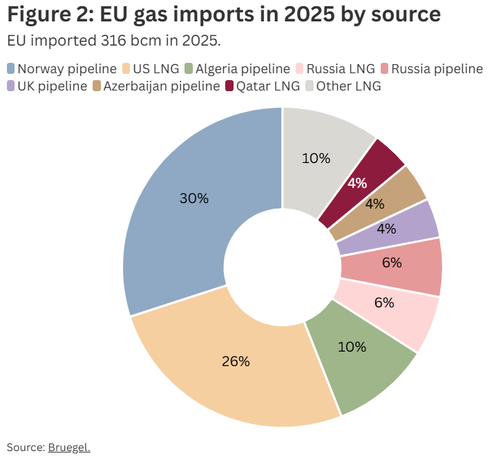
- 4% of the EU's gas imports come from Qatar
- Despite this small share, the EU faces an energy bill shock: if high prices persist, the EU’s energy bill could increase by €100bn over the next 12 months

2/5

✅ What to do:
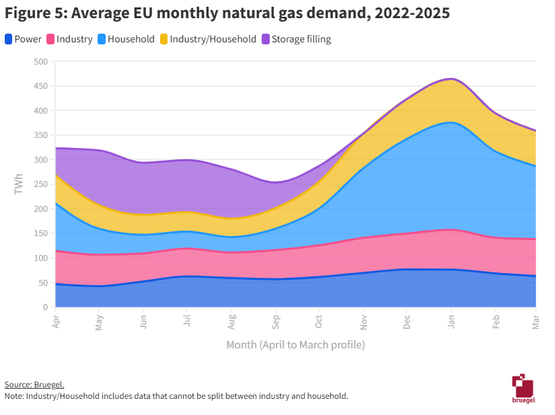
- Promote savings and ensure that the storage is filled to have a buffer for the next winter
- Push for structural demand reduction by fuel switching and electrification (e.g., through lower electricity taxes)
- Engage with other major LNG buyers to coordinate global gas savings

3/5

❌ What to avoid:
- Fuel tax cuts and broad subsidies that risk driving up demand
- Short-term interventions in the electricity market that destroy investor confidence
- Rolling back carbon pricing

4/5

Thanks to my Bruegel colleagues Ugnė Keliauskaitė, Ben McWilliams, Thomas Mramor, Simone Tagliapietra, and Georg Zachmann for great joint work!

🧾 Read the full analysis here 👉 https://doi.org/10.64153/JZBJ2858

5/5