 Christine Sætre-esque
Favorite facts on the beautiful evolution of Passacaglia.
Listen first: https://youtu.be/0s60_AoMHM0?is=hItybbQ_tVW2yge0
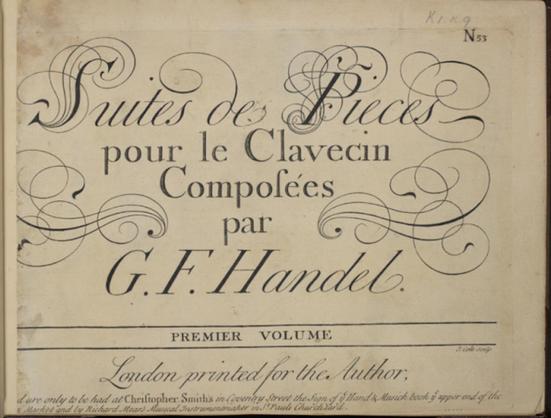
Händel published Suite No. 7 in G minor in 1720 quite hastily because pirated and error-filled copies of his manuscripts were circulating in Europe. By printing Suites de Pieces he protected his copyright.
But Passacaglia really only made it to our collective consciousness because in 1893, #Norwegian violinist Johan Halvorsen rendered the chord progression into a duet for violin and viola. The two instruments simulate a four-voice orchestra.
It’s quite likely you and I know it because in 2012, Ratmir Kuri posted his arrangement for solo piano to YouTube.
And the world went crazy for it.
→ From Händel (1720) and his Harpsichord Suite No. 7 in G minor
https://youtu.be/13oQxH21TWg?t=181&is=_NEUk2tbOcD2Qvz
→ To Johan Halvorsen (1893) Violin & Viola; https://youtu.be/nnOoAnLL7vY?t=116&is=dPRbdE7fGUWFCjHK
→ To Ratmir Kuri (2012) Piano & YouTube.
https://youtu.be/vDmw65QvlQQ?is=136jBovS-D5scizY
 Leo Schuldiner🤘🏼