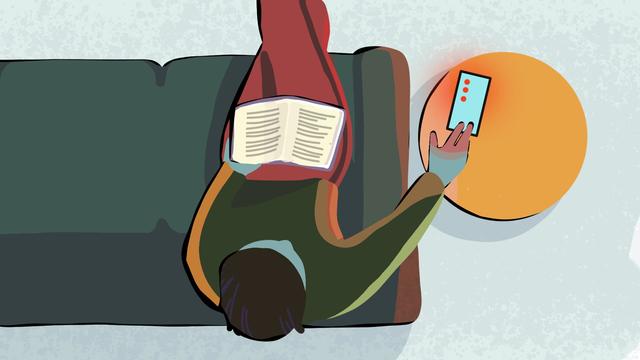
On attentional skills and the environments that are curated either to support or to suppress them:

"Your inability to focus isn’t a moral failing. It’s a design problem. You’re trying to think in environments built to prevent thinking. You’re trying to sustain attention in spaces engineered to shatter it. You’re fighting algorithms explicitly optimised to keep you scrolling, not learning.

The solution isn’t discipline. It’s architecture. Build different defaults. Create different spaces. Establish different rhythms. Make depth as easy as distraction currently is. Make thinking feel as natural as scrolling currently does."

#attention #technology #aeon #reading #literacy #AppDesign

https://aeon.co/essays/what-we-think-is-a-decline-in-literacy-is-a-design-problem

@MerjaPolvinen
So, of course, I’m just finding these earlier posts … I don’t make it over here as often as I should.

This post seems to be the theme for my day. I came across this related article just this morning on my Bluesky feed. And it called to mind the work of Linda Stone (on continuous partial attention).

https://techxplore.com/news/2026-03-fragmented-total-screen-main-driver.html

https://lindastone.net/2009/11/30/beyond-simple-multi-tasking-continuous-partial-attention/

Fragmented phone use—not total screen time—is the main driver of information overload, study finds

Amid hot discussion on screen time, social media use and the impact of digital devices on our well-being, a seven-month study from Aalto University in Finland sheds new light on what overwhelms users the most—and the results aren't what you might think.

Tech Xplore
@RandyFromm
A-ha! Our neighbour University is doing good things. 🤓 And yes, I fully agree with the problem being in the way apps draw us into "continuous partial attention", rather than "screen" itself as an interface. (That has its own problems, but not the same ones.)