 Adrianna Tan
I just read that some British museums want to charge tourists more.
You know, for the privilege of seeing the things that they stole from us
I just read that some British museums want to charge tourists more.
You know, for the privilege of seeing the things that they stole from us
... I sure wish the people so upset about the theft and misappropriation of Colonial Artifacts praised the British Museum's salvation of Asia's cultural artifacts from the utter destruction of the Red Guard's obliteration thereof.
How about a round of applause for Lord Elgin for saving the Parthenon sculptures from Athens' corrosive smog?
The Parthenon sculptures were not stolen. Any questions, please re-read
Let's talk about the cultural obliteration visited on China. Any takers? Or is the West the only obliterator worth damning here?

China’s Cultural Revolution aimed to reshape the social and political order of China by purging elements of feudalist and bourgeois society, including through confiscating property. In 1966, millions of objects were taken from homes by independently organized and unofficial groups associated with Red Guards, a student-led paramilitary movement that supported the revolution. But what happened to the objects after they were seized? Puck Engman, Assistant Professor in History at UC Berkeley and a historian of China in the postwar era, talked with Julia Sizek about the lives of these objects. More broadly, his research concerns the reorganization of state and society in the first 30 years of the People's Republic of China, and the transition from command economy to market economy at the end of the 20th century.
@skinnylatte @[email protected]
History goes on without our opinions - the fact remains, the Horrible Colonialists saved the Ife bronzes, an inconvenient chain of events for your side of the argument. Ban me if you like, repeat this old and obviously untrue shibboleth - Frobenius saved the bronzes.
@tuban_muzuru @codewizard @skinnylatte
Oh look, a text by the British Museum itself that claims it's completely okay they own another country's cultural heritage, well I'm sure the museum is entirely objective here!
They even have a carefully worded statement about Elgin acting "with the full knowledge and permission of the legal authorities of the day in both Athens and London".
The legal authorities of that day being the Ottomans, just because one colonizer sold cultural heritage to another colonizer doesn't mean we have to be okay with it.
The museum trustees have no shame and even argue that back in 1816 the colonizers themselves declared everything to be legal. How convincing.
 tuban_muzuru
 Codewizard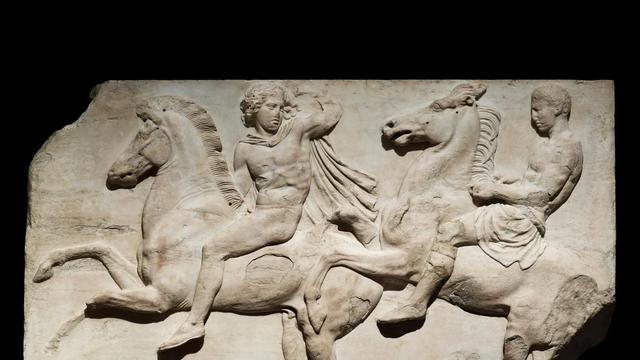
 Mab_813