After seeing The Bride! for the second time, with the two days in between spent on reading and watching all the praise, criticism and vitriol I could find in an attempt to understand the possible reasons for its box office failure, I am happy to say that it's my new favourite movie. And no, I don't feel a need to moderate my opinion by adding that the movie is flawed. Except the iconic splatter at the side of the main character's mouth, I fail to see any substantial blemish on the movie that would justify anything beyond nitpicking. Not that we couldn't have conversations on what could have been done differently.

This movie never takes itself seriously, yet it is very self-aware. It is the self-proclaimed "disobedient geometry." It throws such rich metaphors and apparently reckless symbolism at the observer. This "post-genre" monsterpunk flick is like few others, a meticulous fever dream.

Like the recent "Wuthering Heights" and the much older Jacob's Ladder, The Bride! is what we make of it. But while the first is tragic and beautiful, the second frightening and beautiful, The Bride! is all of that but above all romantic, wholeheartedly funny and, most importantly, emancipating. Not in the feminist sense per se, rather in the human sense. It explores what it means to be free, how ravishing and how disastrous that can be, and how genuineness of spirit is incompatible with our own continuity and that of others.

The director had said that when she was younger, she walked out from the movies permanently changed after seeing Trainspotting. Now, her movie did this to me. I keep crying even after watching it, but not because of melancholy, but because I've acquired something of myself that was legitimately stolen from me many years ago by the zeitgeist.

And yet the buzzers who talk so much about female directors (namely Maggie Gyllenhaal and Emerald Fennell) finally getting huge budgets reveal themselves as sardonic when they complain that the tours de force those directors made aren't just more cliché-ridden done-things.

There's so much else to say, so much I want to keep on raving about, from the emotionally piquant dialogues, and the layers upon layers of hurt and reciprocal empowerment, to the tangled characters, the villainous ghost possessor wrought by injustice, the mesmerising soundtrack, and the absolutely extravagant intellectual sexiness of it all... And I'm happy to go on if anyone wants to.

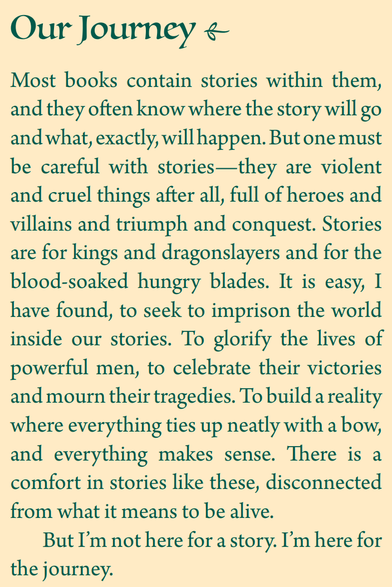
But The Bride! doesn't deliver a complex story so much as it detonates one inside you. Which made me think about games where the same thing happens, or could happen. Specifically TTRPGs.

#TheBride #FilmMastodon #WomenFilmmakers

1/?
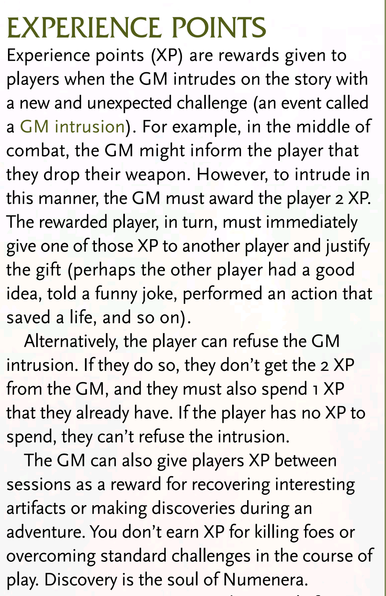
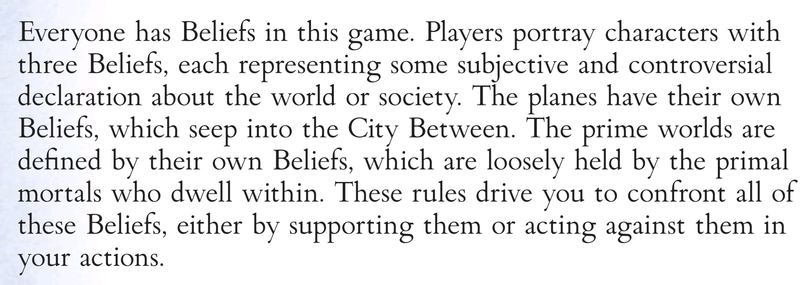
Back in the day and after being amused by #DnD from a distance, I was there to witness the rise of #Numenera. It uplifted what I liked most about DnD - the vivid storytelling - and sidelined the tactical battles (not that there is anything wrong with that if well executed). I'm not a veteran from the times when the genre was conceived, but I have been around enough to know that this is nothing new in #TTRPGs, or the philosophy of various sciences for that matter. The approach to unshackle human creativity through effective guidance is an age-long quest that led to the experimental, narrative-embedded nature of #NSR, and especially established the "weird" as a label genre.

Though while we say weird, we do mean conventionally inexplicable and often far-out worldbuilding instead of a real genre. The genre itself of the "weird" is often a mixture of horror, heroic fantasy, post-sci-fi, some kind of grit and followed by a peculiar flavour. This borderless mixture of styles with self-confident abandon that subjects all other aspects of the medium is what The Bride! was to me. It puts the genre tropes to the side to favour contemporary techniques that enliven the subtleties of what we are as beings.

#Stellaris is one of my favourite video games because through the sheer volume of mechanics, content and striking just the right balance between the abstract and suggestive nature of its presentation, it nails emergent narration to such masterful dimensions that the player keeps building the story, the very world of their playthrough, even after shutting the PC down and doing other, unrelated tasks. The main mechanic, despite the intricate interstellar society management system, is the memetic story evolving in the player's head. One of my most cherished empires from years ago - the United Hearthsea - to this day makes me actively ponder how its story might have continued developing.

The Bride! and other similar movies work with the observer in a similar fashion by respecting the viewer's agency. They are more than what was put on film, their stories fuse with the spectator's soul more so than the usual, much more cohesive content. This is not easy to pull off, as such attempts sometimes end up in the camp territory, or are oftenly forgotten.

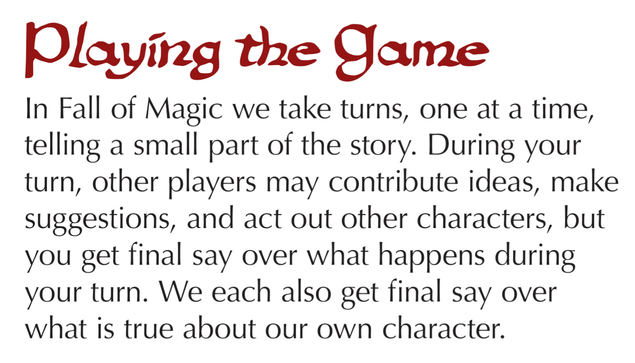
The modern DnD adventures all have a clear structure of what is to be done and how. Sure, the game emerges through the interaction of players, but the framing is what holds it together. Numenera, and some other daring games (such as Sig: Manual of the Primes) flip this idea around and give the players much more to associate. They do this by centring the world first and distributing the influence over its threads among all players at the table.

When I go and play DnD 5.5e at meetups, I miss this trip of the mind, the emergent storytelling of alternative realities screaming in our heads and hearts, and mechanics that adapt to this way of playing, instead of whipping the tale into moulds inherited from times when true alternatives were scarce.

I crave all the daring experimentation in gaming. I want more creative catalysts that trust their own integrity enough to offer agency that can bring out the suppressed parts of ourselves to light. So that we can observe them, play with them, and finally embody them - everything between the divine and the monstrous.

2/?

#TTRPG