
#EVcharging #EV

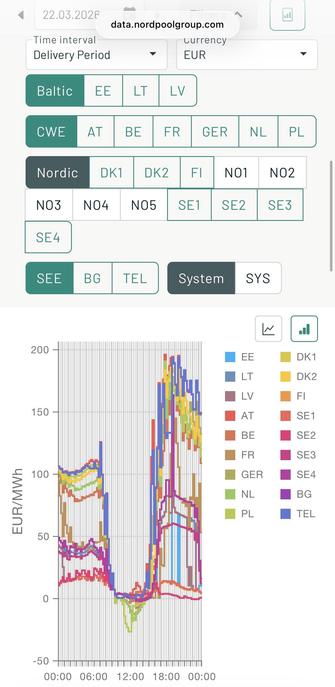
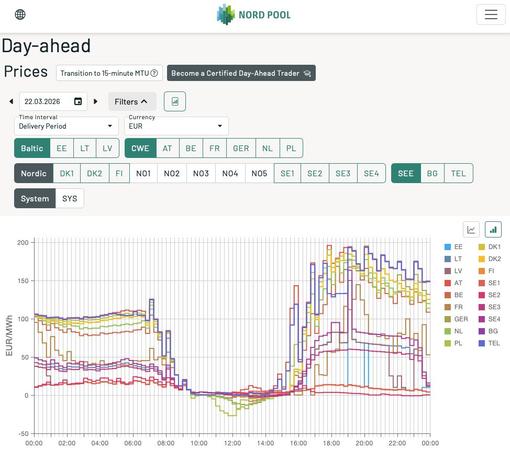
Across much of Europe, wholesale electricity prices are virtually zero today from mid-morning until late afternoon. This is not unusual: it is a recurring phenomenon when there is sufficient supply of renewable energy – solar and wind – combined with the generally lower demand for electricity on Sundays. Consequently, consumer electricity tariffs are increasingly offering extra low-price periods on Sundays from March/April to October, often even ‘free of charge’. Shifting all flexible energy demand to these hours offers multiple benefits. It is not only very attractive to the user due to the low price; everyone benefits if this electricity demand no longer falls during the evening or night-time hours. Especially now, with fossil fuels causing yet another energy crisis, it is important to avoid their use wherever possible. And electric mobility makes this possible: we have the technical means to manage charging during the (long!) periods when vehicles are parked, thereby utilising renewable generation. Existing mechanisms, such as REDIII RFNBO schemes, can be further improved by policymakers to encourage smarter public and private charging: https://lnkd.in/eqNBiWeh For home chargers, there is a growing number of options available that combine smart EV charging with attractive prices: https://lnkd.in/eEHQbum6 For public charging, this is often still lacking. If EV users, whether they be motorists, delivery fleets, taxis or long-distance trucks, cannot charge at affordable prices, the switch from a fossil-fuelled vehicle to an electric vehicle will be impeded. Electrification of transport is essential to ensure Europe's energy resilience and achieve climate targets. It is in the public interest to ensure that charging infrastructure is cost-effectively developed in the right places, at the right prices and at the right time, to reduce costs for charging point operators and ensure users benefit from cheaper electricity. Ensuring that users can benefit from time-variable pricing is one of the key measures in this regard. Read more in this recent report by Regulatory Assistance Project (RAP), written by Dr. Julia Hildermeier and me, on making public EV charging cheaper: https://lnkd.in/eMHgSbcS
More on making public EV charging cheaper:
sehr interessanter deep-dive in die kalkulation von EV-ladeparks: https://www.youtube.com/watch?v=_HyJHv8qtrk #EV
@burger_jaap link in case anyone wants to play with the graphs: