“AI prototyping lets you quickly build in depth prototypes.”

Once again, we return to designing with ketchup.

Instead ask, what is the purpose of your prototype?

You could build prototypes in ketchup for all I care, so long as it serves the purpose you need it to.

uxdesign.cc/designing-wi...
https://uxdesign.cc/designing-with-ketchup-290067480428?gi=55bba1840672
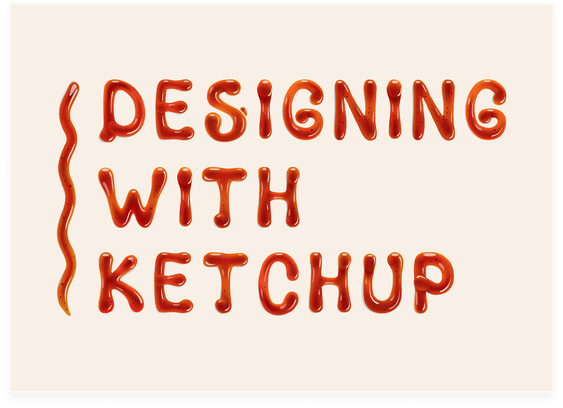

Designing with ketchup

What tools do designers use?

Medium

The notion that rapidly building high fidelity design work is more valuable is fundamentally untrue.

Your prototypes need to communicate the concept of the prototype.

I might argue that in depth prototyping is actually be counter to the point of developing many prototypes.

It can be distracting

@annaecook I don’t do high fidelity mockups anymore really. It’s either sketches or prototyping directly in code.

The only time I do high fidelity mockups is when I’m specifically trying to work on visual styles. Otherwise, like you said, it can be distracting from the point where people get focused on visual details instead of the user flow.

@danirabbit @annaecook 100%! My software dev friends also make sure to choose ugly, unshippable colors and images when showing tech demos, so management don’t accidentally think the feature is shippable.
@drahardja @danirabbit @annaecook
I take inspiration from automobile “concept car” that has enough physicality to feel your butt in a seat but you cannot drive that car on the road.
Whether I’m sketching, wire-framing, producing high-fi screens or web-code prototype - you can “sit” in it but cannot “drive” it in production.
A scale model (prototype) is not a building implemented to regulatory standards that make it safe so that it stands up to the elements and not collapse on the occupants.
@drahardja @danirabbit @annaecook Isn’t the management / stakeholders a bit confused? I found people not understanding wireframes very well. Good for internal discussions on the low-fidelity level, but not so good in high-fidelity for the end-user.