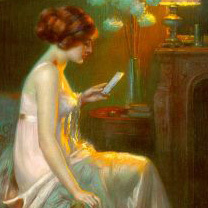
Hey! Good news everyone! The #SupremeCourt, by declining to overrule the #Copyright Office, has declared that #AI art cannot be copyrighted.

It's bigger than just Thaler's case though. (links below) What this means is that NO AI created work can be copyrighted. Not code, not verbiage, not art, not anything.

Only human created works are eligible for copyright, so sayeth the High Court.

Cory (@pluralistic) does a fantastic job of explaining the details and rounding up links. As he always does. Where he finds the hours in the day, I will never know. ;)

https://pluralistic.net/2026/03/03/its-a-trap-2/

Archive link to #ArtNet because something on the page was blowing up my browser, but they have more details on the case itself, and the "art" in question which just saved real artists: https://archive.md/bsyrQ

Pluralistic: Supreme Court saves artists from AI (03 Mar 2026) – Pluralistic: Daily links from Cory Doctorow

@MissConstrue
I wonder if that goes for code as well? We know the big tech AI just slurped up billions of lines of code from github gitlab codeberg etc.

@pluralistic

@justin @pluralistic There’s some question about that. My interpretation, having read the Office’s documents, is that code would be included in the “if not created by human, then no copyright” , but others reading the same document have reached different conclusions. I think we’ll have to wait for an IP attorney to weigh in for a solid answer.
@MissConstrue @justin @pluralistic But AI just reproduce what was written by humans. It's crazy that a copyrighted human code could become public domain when copy pasted by an AI 🤔

@wilk @justin @pluralistic

Then we start getting into "who stole the copyrighted work" and "How much do they owe for that".

I never gave permission for any of my work to be used to train AI, and yet...it has been.

So, if a github repository is slurped by openai, and then a junior coder asks openai a question that spits out content from that github, who should own the copyright? I would argue that the original creator owns the copyright, and therefore any subsequent use without permission is ineligible for copyright protection, as it is already protected via creation.