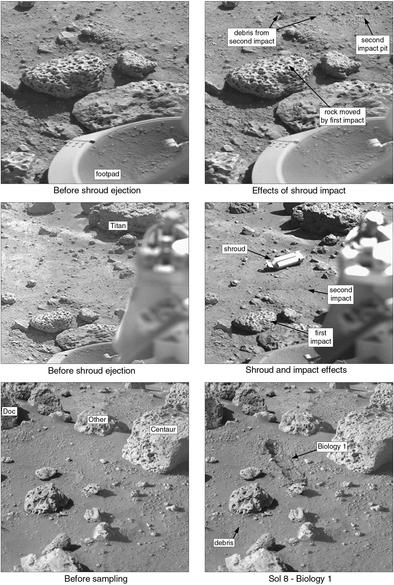
#mars #maps #viking2
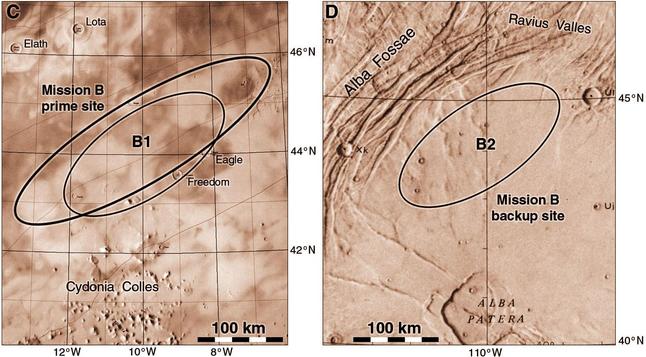
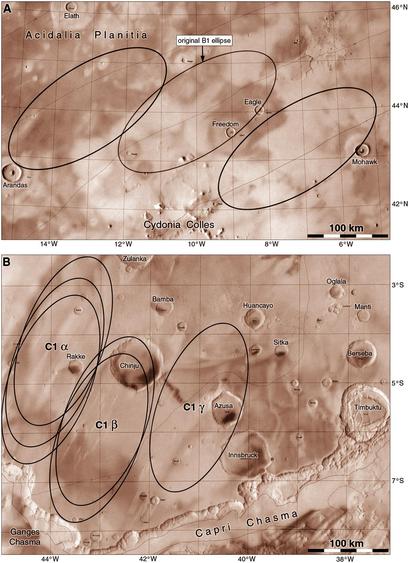
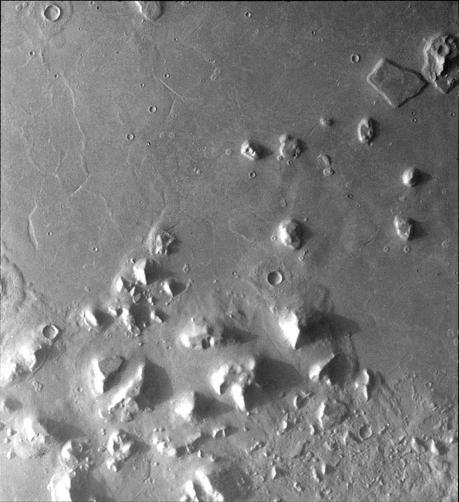
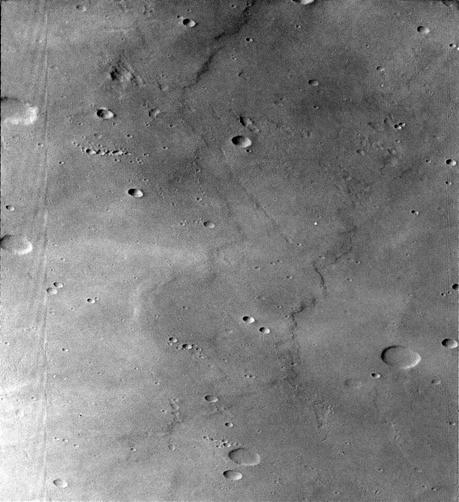
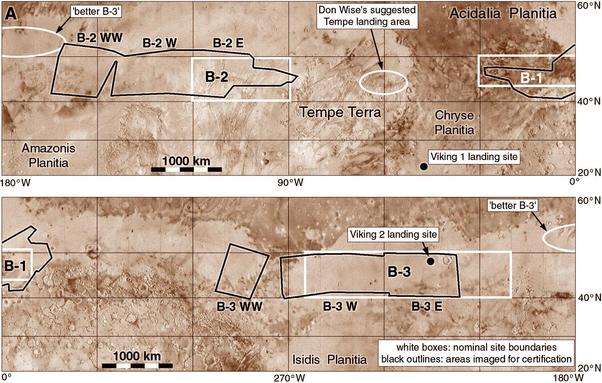
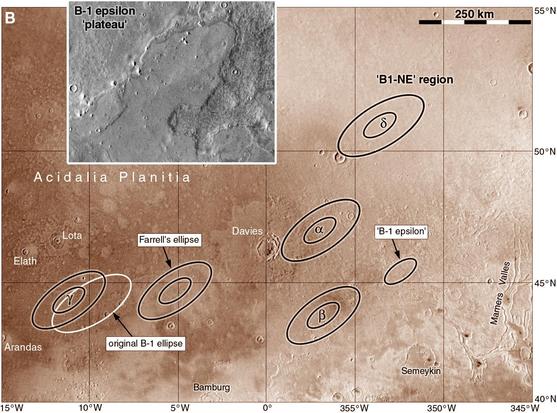
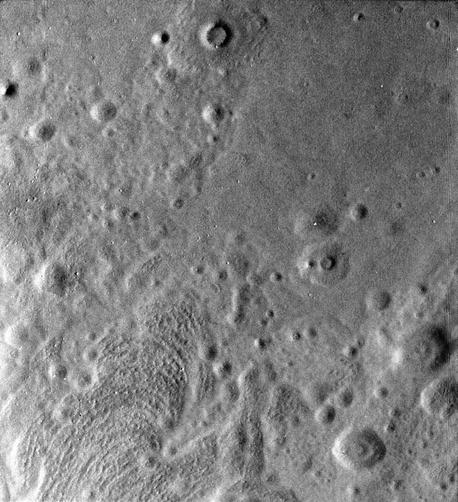
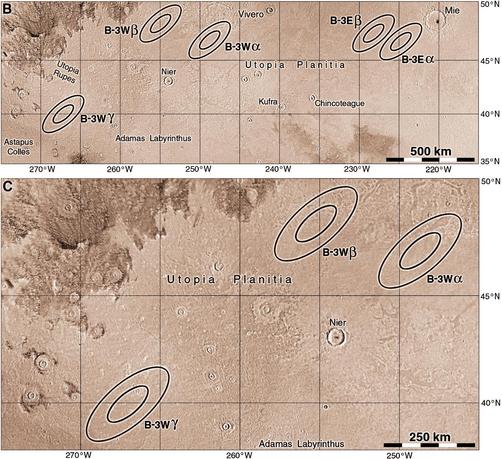
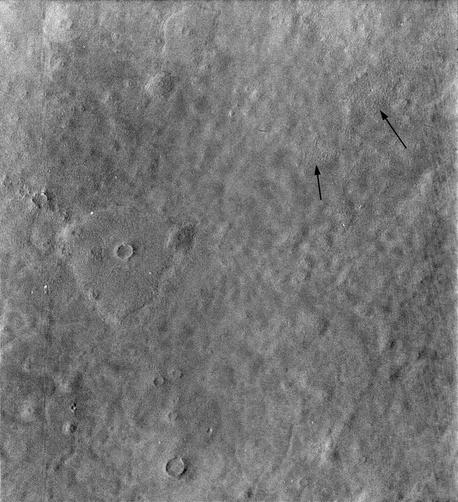
At a meeting on 16 August 1976 (a few days before the Viking 1 landing) Hal Masursky said the B1 site was 'semi-catastrophic'. Next we will check out the B2 region. But it's not going to be good news.
EDIT: What??? Nobody picked me up on that mistake - VL1 landed on 20 July 1976, so that meeting was well after the landing. Let's pretend I didn't say it.
#mars #viking2
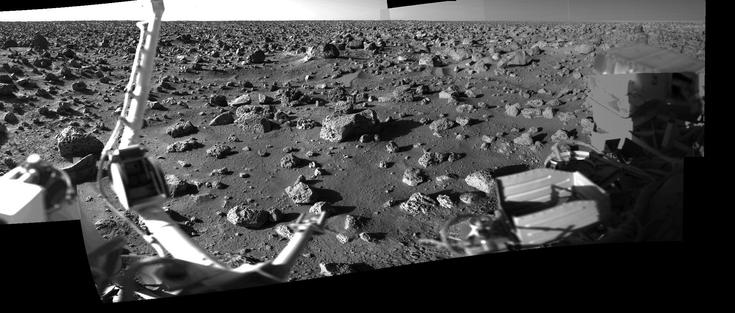
That image came from this page at Malin Space Science Systems (builders of many cameras for science missions, but not the Viking cameras):
https://www.msss.com/mars/pictures/viking_lander/viking_lander.html
The Wikipedia page for Viking 2 has nice images as well:
https://upload.wikimedia.org/wikipedia/commons/b/b9/22i103-104-105-109_FROST.jpg
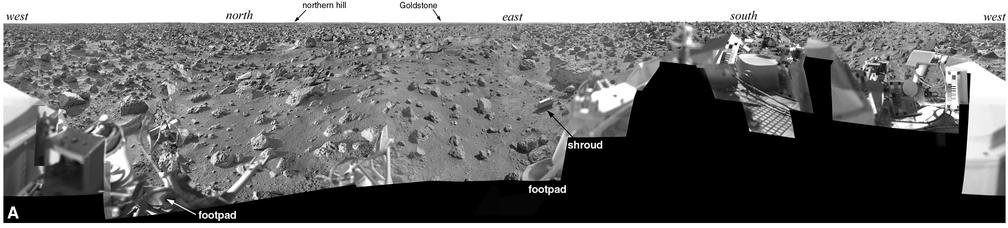
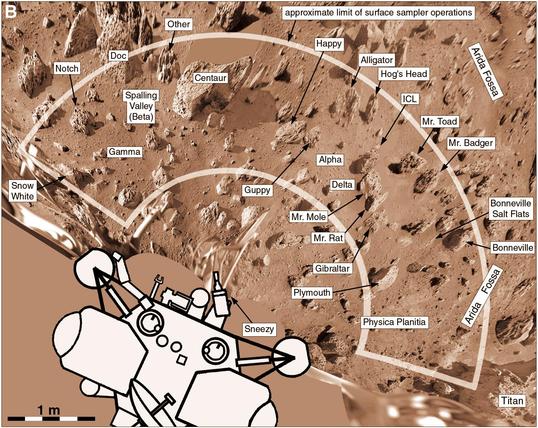
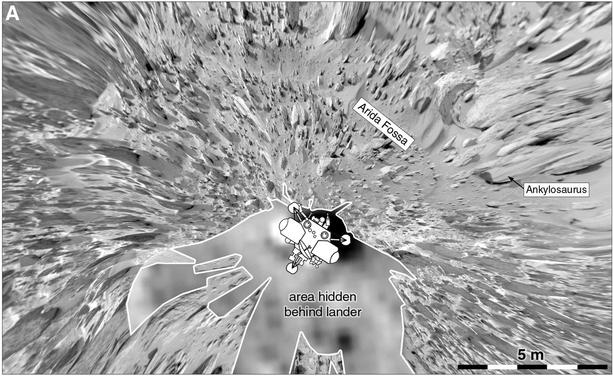
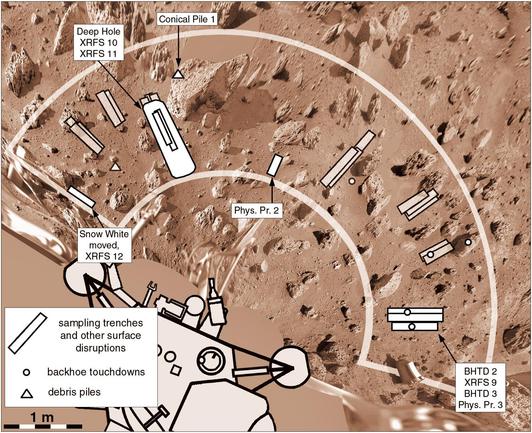
It really is rocks everywhere. Two cameras each gave c. 300 degree panoramas, overlapping for stereo in the arm work area. Here I have combined them for mapping purposes.
#mars #viking2
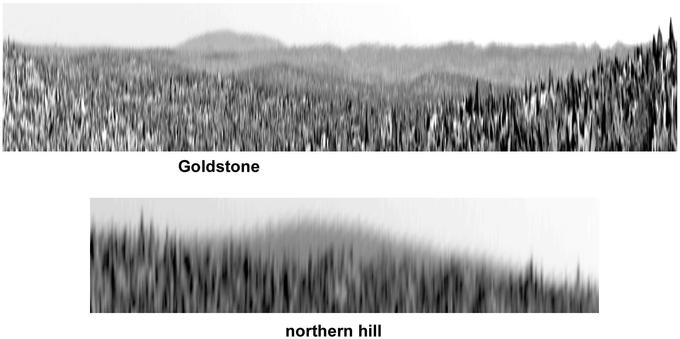
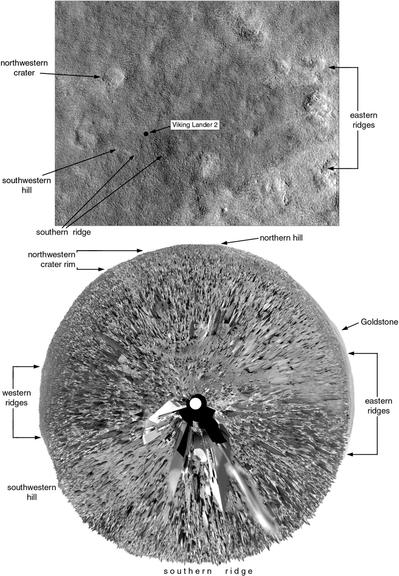
Here are the faint horizon features from the Viking 2 panorama in Phil-o-vision: a vertical stretch by a factor of 5. I find this is the only way to see very topographically subtle features clearly. These are from full resolution data - just stretching yesterday's panorama will not help.
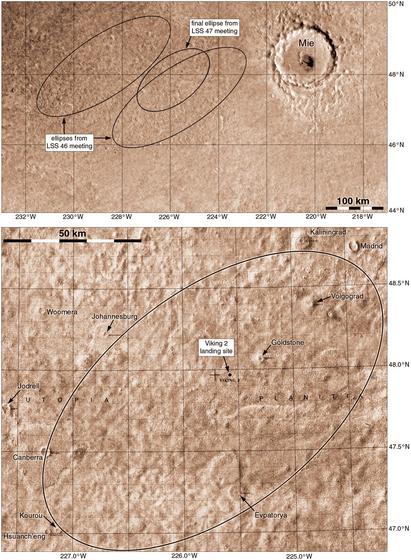
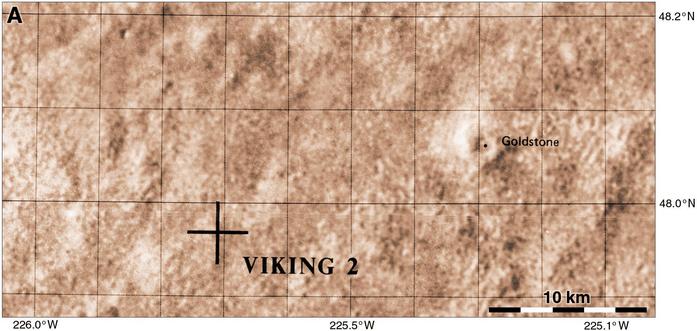
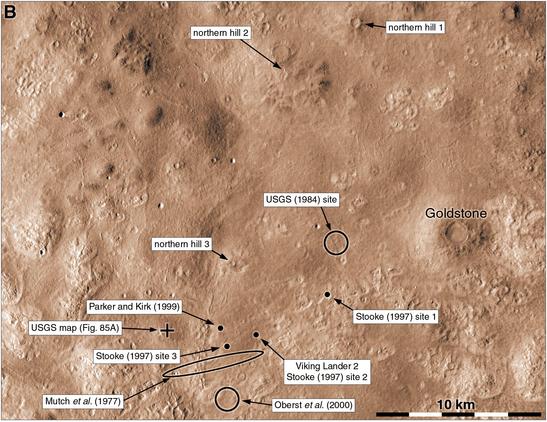
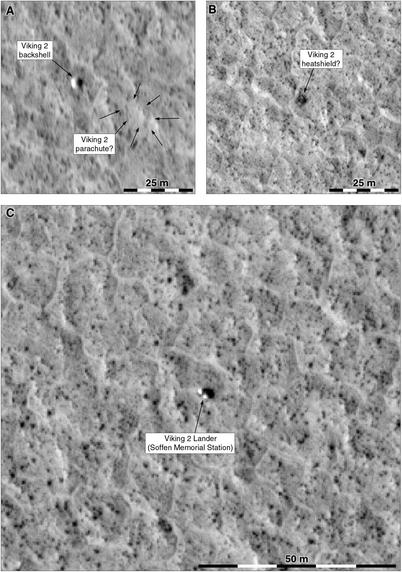
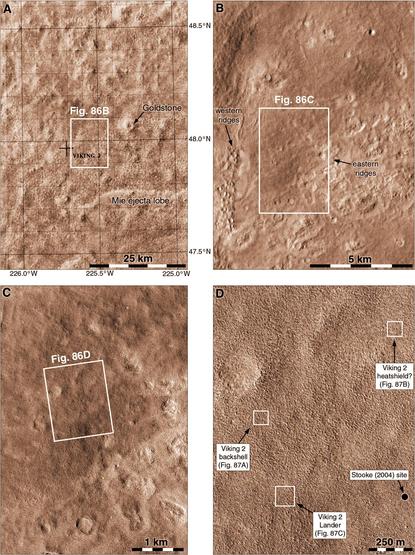
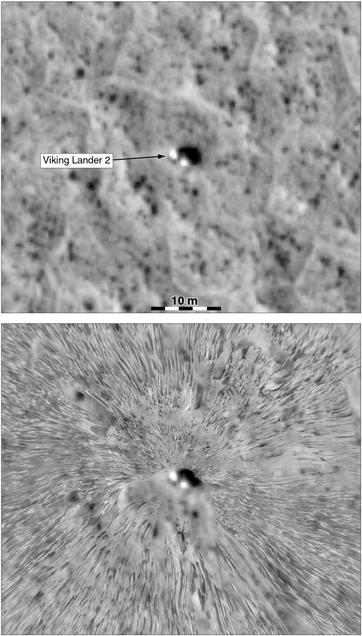
I always want to know where a lander is, and before MRO and its HiRISE camera it was not easy to know. The Viking 1 and 2 sites were not located very precisely at the time. This could help!
#mars #viking2
Imagine taking a map and drawing a vector from Goldstone in the direction towards the lander, and then doing the same from the northern hill. Where they cross is your lander location. Easy! Well, no, not easy. First - it that really Goldstone? It seemed likely but you always have to consider it might not be. Second - what feature is the northern hill? That was difficult to discern in VIking orbital images. This was my first crack at the problem:
https://www.lpi.usra.edu/meetings/LPSC98/pdf/1024.pdf
#mars #viking2
When I wrote that up fully, I thought there might be 3 candidates for the northern hill, not just one. I hope you can get this file:
https://link.springer.com/content/pdf/10.1023/A:1006041227129.pdf
(if not, let me know and I will deal with it another way).
Figure 9 is the important one - it has 3 vectors, so 3 potential sites. L1 was the one I preferred. Sadly, L3 is the correct one. There were other attempts, but none of us got it until HiRISE found the lander later, as we will see.
#mars #viking2
The 'rises' and troughs form patterned ground, which forms in arctic regions over many years of seasonal freezing and thawing of ice in the ground. Thousands of years - but here on Mars we may have tens of millions of years of the process. Viking 2 didn't see that ice but we know it's there because HiRISE saw new craters form nearby, exposing ice which then slowly melts away - see this free access paper:
https://agupubs.onlinelibrary.wiley.com/doi/full/10.1002/2013JE004482
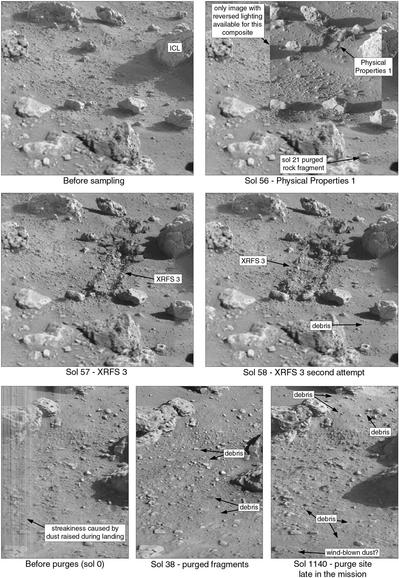
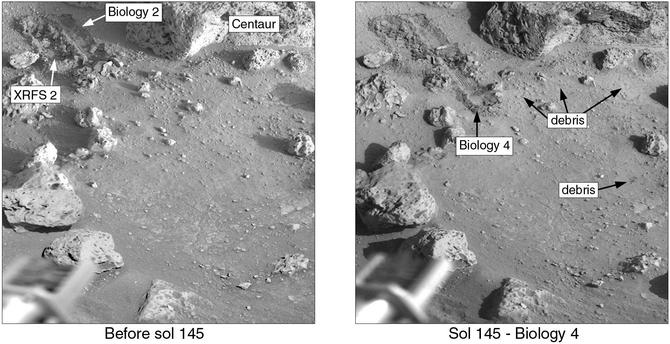
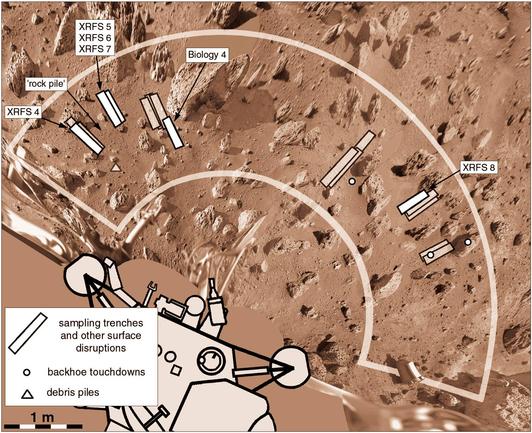
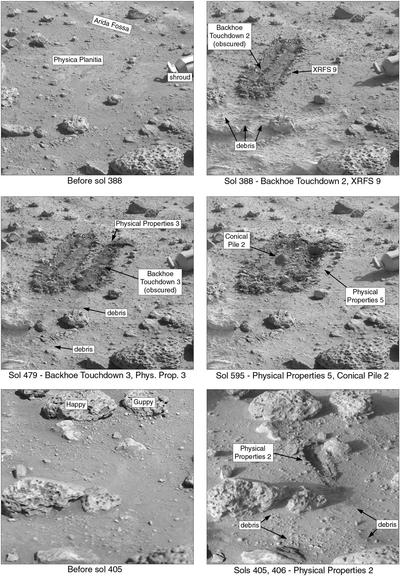
... is from late in the mission, showing a few more small changes. There is one big change, existing rocks covered with dust. I labelled it with a query - wind-blown dust? - but it could have been a big purge.
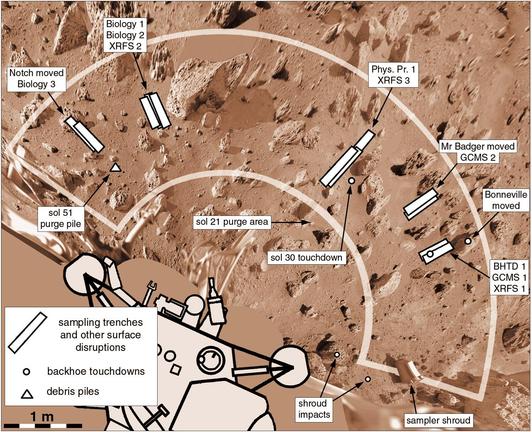
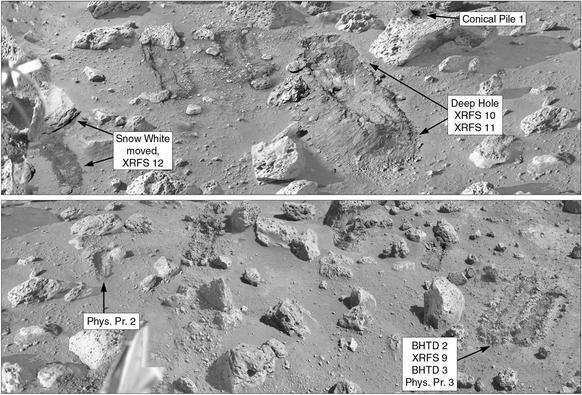
That is the end of Viking 2's primary mission. Tomorrow we will see what the map looks like after all this.
#mars #viking2
... but there was no concurrent wind data with this one. However, it occurred at a time of day with little wind. This is not certain but stands as the only likely seismic event detected on Mars until the InSight mission decades later.
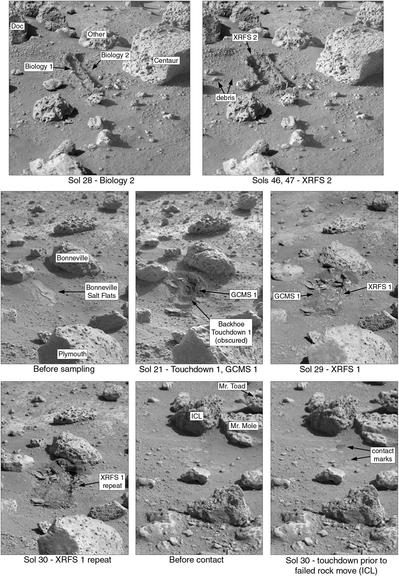
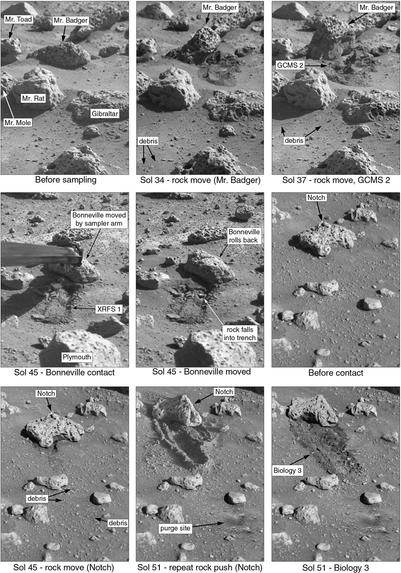
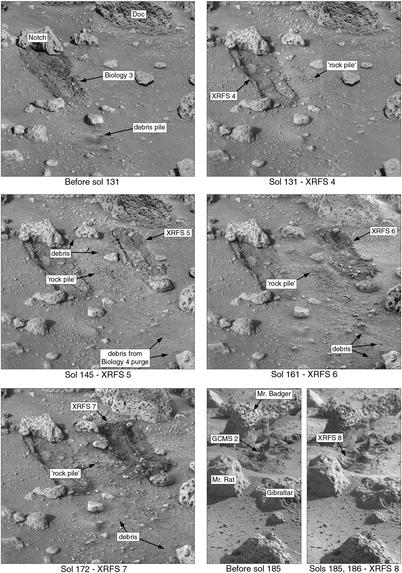
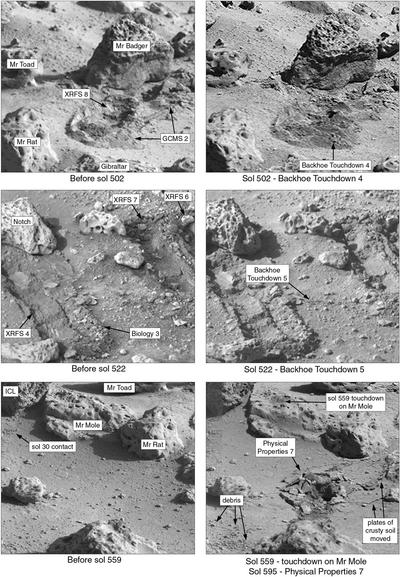
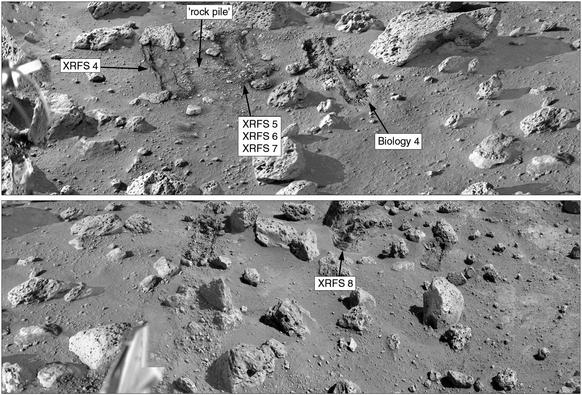
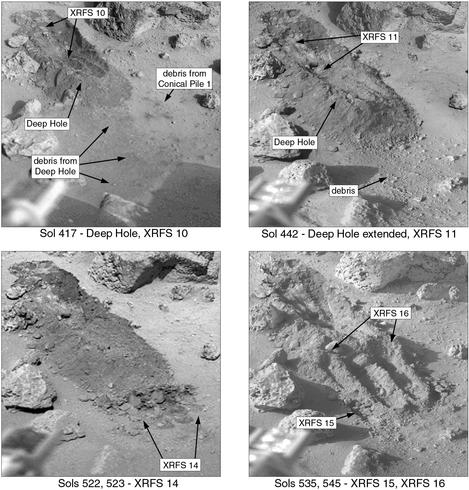
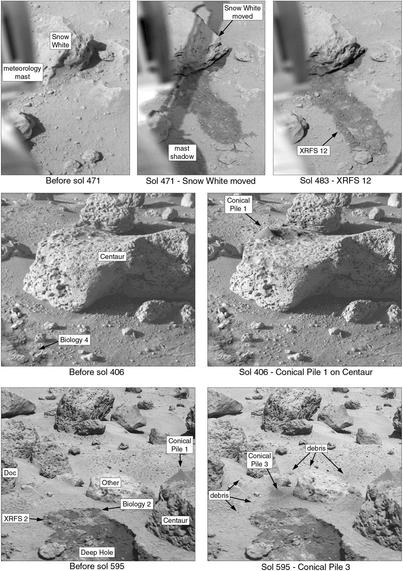
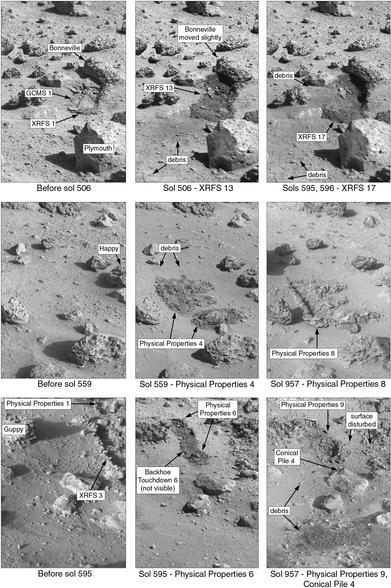
After conjunction the arm started work again. Here we see several actions near the rocks Notch and Doc. X-ray fluorescence spectrometer (XRFS) samples were dug out of the previous Biology 3 trench and a new area.
#mars #viking2
During the period we have just covered, winter for Viking 2, the lander took its first pictures of frost on the surface. We don't see many pictures like this because most landers have been at lower latitudes. Phoenix is the obvious exception, but Viking 2 did it first. These links show 2 images - but from later in the mission, the second winter.
https://www.planetary.org/space-images/viking2_frost_stryk
https://www.nasa.gov/image-article/viking-lander-image-of-ice-mars/
#mars #viking2