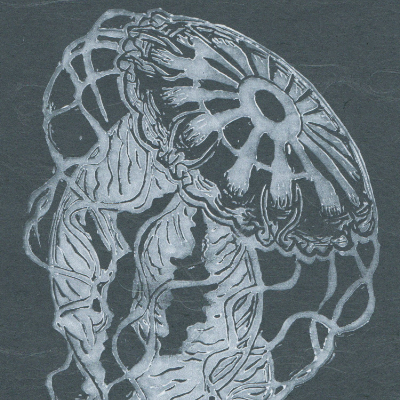
Queen Seondeok of Silla (c. 595 ~ 610 - 647), 27th ruler of one of the Three Kingdoms of Korea, from 632-647, who brought about a renaissance in culture and science and built the Cheomseongdae moon and star-gazing observatory. This is the anniversary of her death.

Known for her intelligence, wisdom & benevolence, stories survive of her curiosity & cleverness even as a child. 🧵
https://minouette.etsy.com/listing/715048000

#linocut #printmaking #sciart #histsci #womenInSTEM #Seondeok #mastoArt

When her father the King was gifted peony seeds from China she remarked that it was a pity the lovely flowers had no scent. The astonished adults asked her how she knew; she had noted that the painting of the flower did not show bees or butterflies & had corrected deduced that they were unscented.

She was introduced to #astronomy by her tutor when young. When her father died she became Queen. After lifting peasants’ taxes for a year & helping orphans & elderly, she set to work 🧵2/

building a 9m tall moon & star-gazing tower Cheomseogdae, which survives today, the oldest standing observatory in East Asia, perhaps the world. The capital became a centre of culture & science, math, astronomy & astrology flourished. The observatory is believed to have been the centre of an entire scientific district.

The building itself represented knowledge; the number of stones represents days of the year. 🧵3/4

The stones appear in 27 courses (for Seondeok, the 27th ruler) with 12 courses above & below the window for months of the year. The tower itself is a gnomon of a sundial & the window captures the sun’s rays on the interior floor at equinoxes. Astronomy was of vital importance as it governed agriculture & scientists of the day produced detailed star charts.
🧵4/4
@minouette Well done ! Queen Seon Duk is the most intriguing of all in Koreas past. Note: The title "Queen" is postumous . In Korea's tradition the King has no name or gender.