Ironically a few weeks after reading this excellent piece from Dariusz Jemielniak, I've 'retired' from #Wikipedia, which I've been editing for more than half of my life:

https://www.nature.com/articles/d41586-026-00075-0

Academics absolutely should take Wikipedia seriously as the single most effective means of public dissemination available to us.

But...
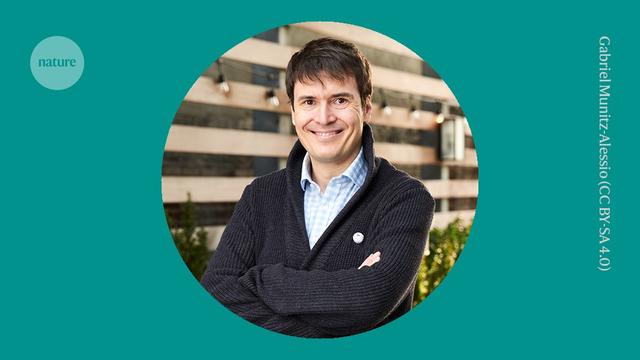
The academic community failed Wikipedia for 25 years — now it might fail us

Artificial-intelligence systems are feeding on Wikipedia without giving back, and academic indifference is threatening the survival of what is arguably the most widely used reference work on the planet.

At the same time, there are major systemic barriers to academics—or really anyone beyond a very narrow demographic and personality type—contributing to (the English) Wikipedia. And there are major systemic barriers preventing even 'insiders' like me and Dariusz from fixing that.

Now I've given up on direct editing myself, I'm going to keep pondering how #academia can support and contribute to Wikipedia indirectly.

@joeroe I agree that it is not necessary straightforward for academics to edit Wikipedia (Pseudonym? Fullname? Code of conduct/ethics). Also, I am always wondering how much conflict of interest (WP:COI) there is for scientists (if they contribute to their field of expertise), even if you are not directly paid for editing. I am thinking lately to move more towards OER. Could curated lists (with suggestion where it could be useful) help make them more findable for use on Wikipedia?
@joeroe if I may ask, why did you give up direct editing? Curious as an occasional editor myself.
@openpast A combination of the (English) Wikipedia community changing such that it took more and more time/effort to make meaningful changes, and my life changing such that I had less time to give. At a certain point I found my motivation just disappeared.