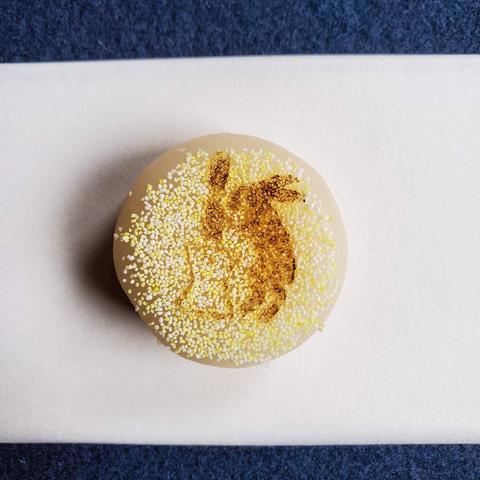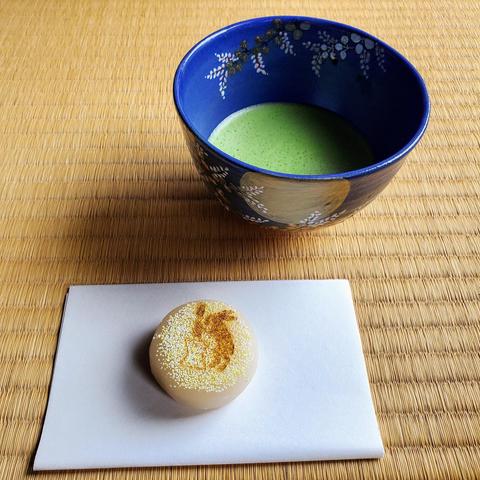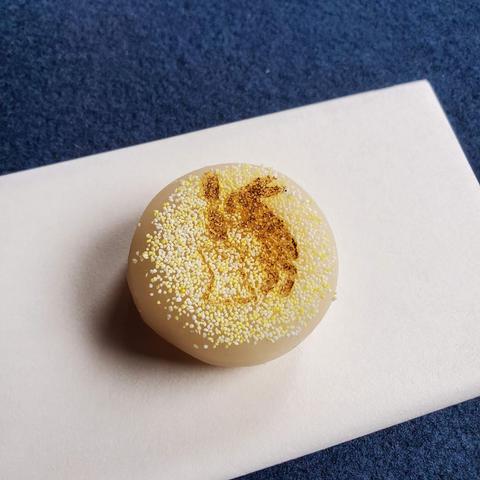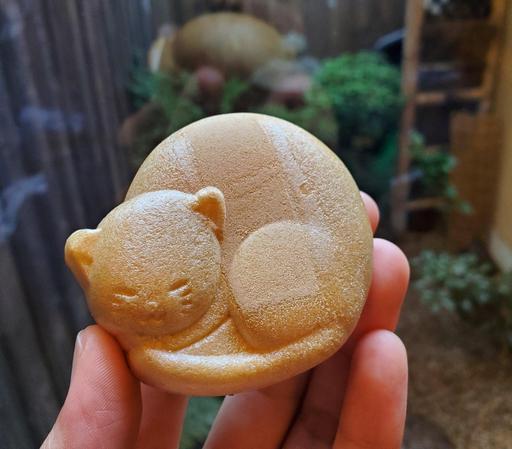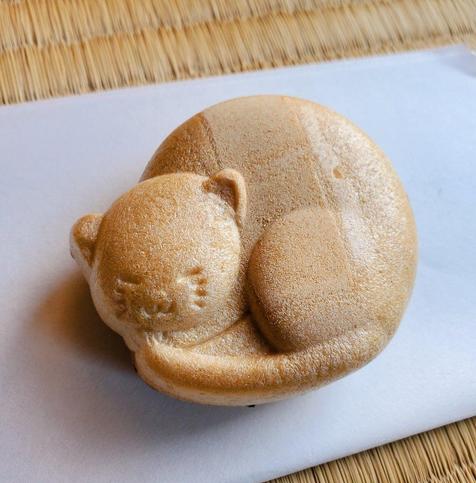
Nijō Wakasaya's (二條若狭屋) lovable 'jūgoya' (十五夜 'night of the full moon')🌿🐇
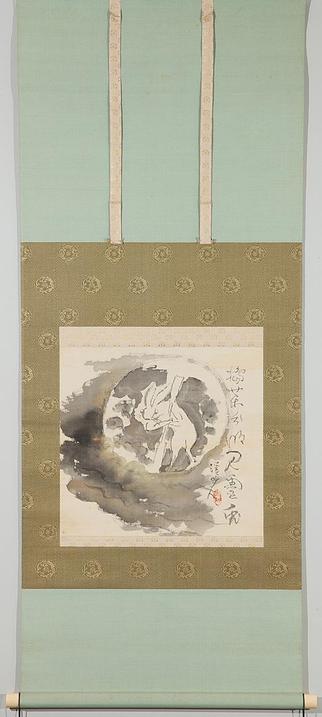
clearly I can see-
the sacred rabbit
is pounding tea leaves
-Artist, Tomita Keisen (冨田溪仙 1879-1936).
Nijō Wakasaya's (二條若狭屋) lovable 'jūgoya' (十五夜 'night of the full moon')🌿🐇
clearly I can see-
the sacred rabbit
is pounding tea leaves
-Artist, Tomita Keisen (冨田溪仙 1879-1936).
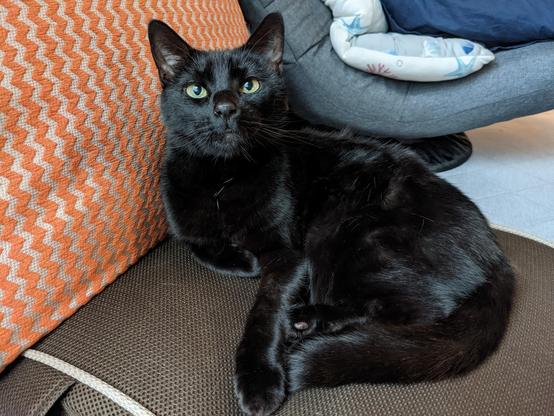
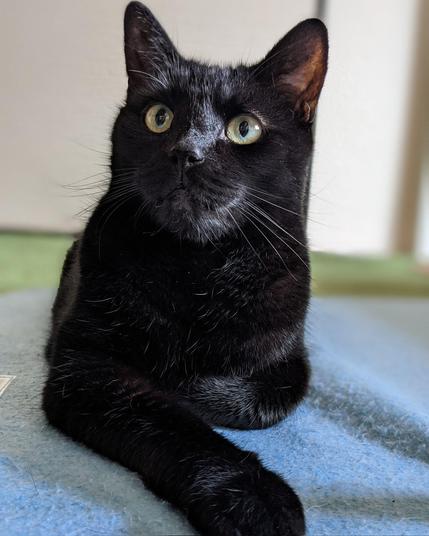
Kanaya Masahiro - Hogarth (ホガース) and Percy (パーシー) say hi, and thank you for creating delicious sweets for us all to enjoy🙇♂️🍵🍯😋
#caturday🐈⬛🐈⬛
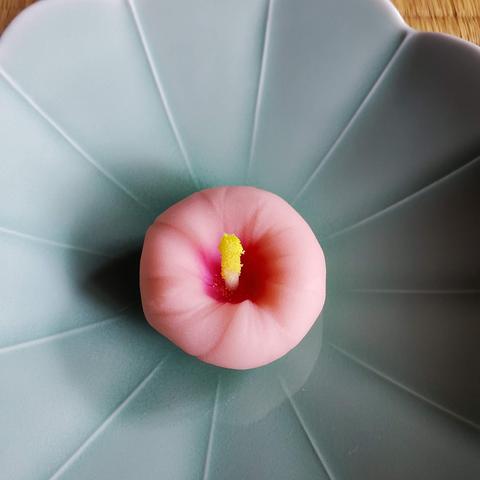
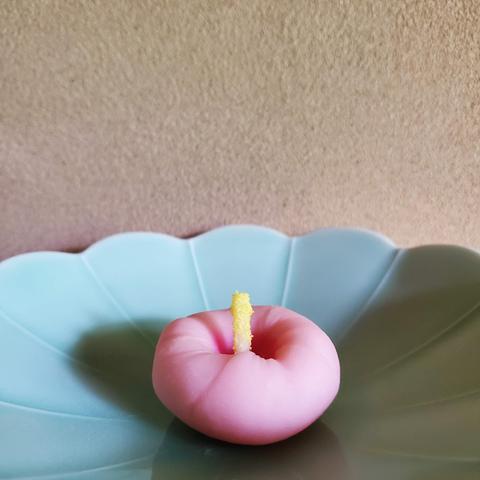
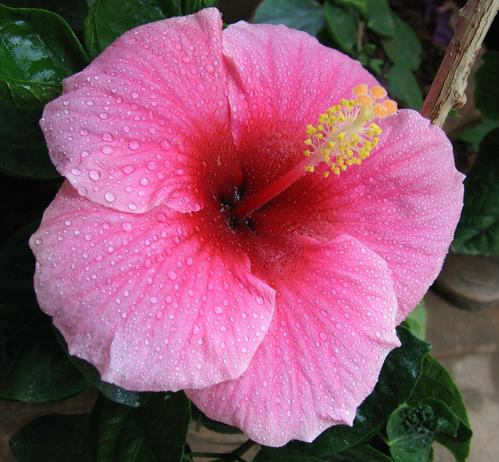
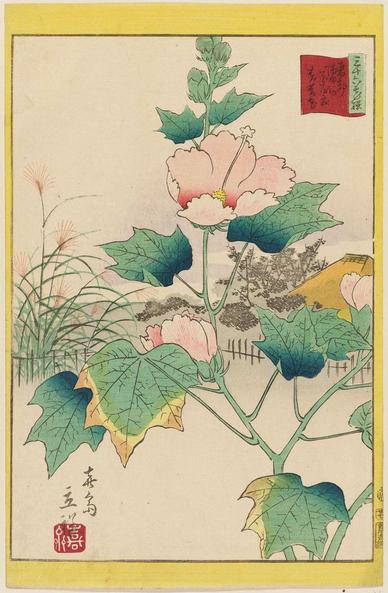
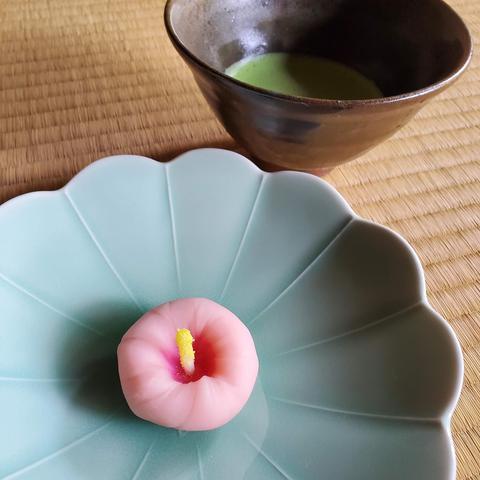
Hibiscus and cotton rosemallow may well conjure up images of languid summer days, but in Japan 'fuyō' (芙蓉) are used to indicate the onset of autumn. In the language of flowers they represent gentleness.
Kameya Shigehisa's (亀屋重久) 'fuyō' have some impressive stamens!
#Kyoto
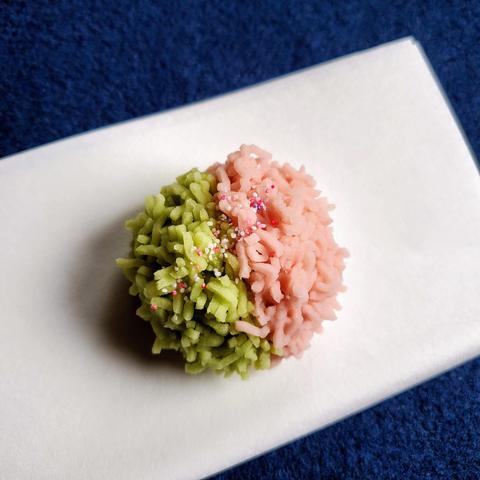
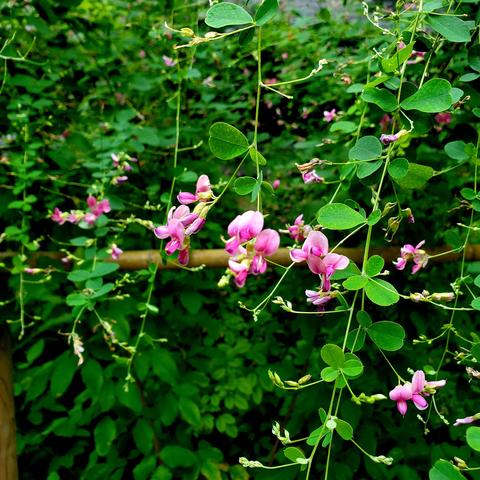
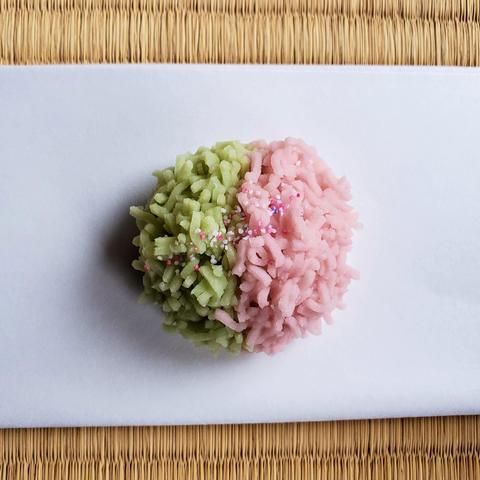
Kameya Yoshinaga's (亀屋良長) 'kobore-hagi' (こぼれ萩) is named after the image of bush clover flowers seemingly 'spilling out' from the main plant.
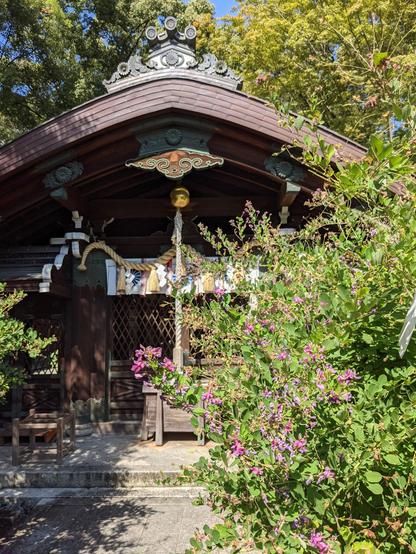
Nashinoki-jinja (梨木神社), known as the 'Bush Clover Shrine', is one of the best places to see hagi in Kyōto.