 Camellia Tea Ceremony
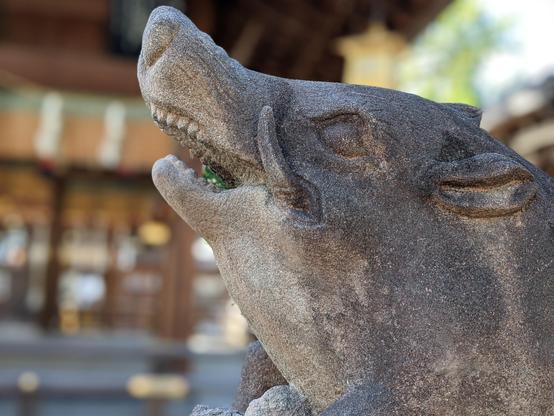
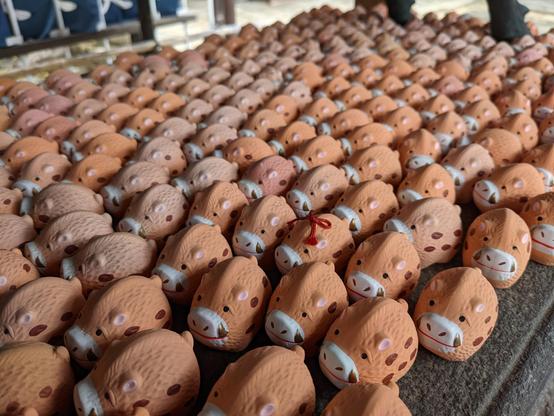
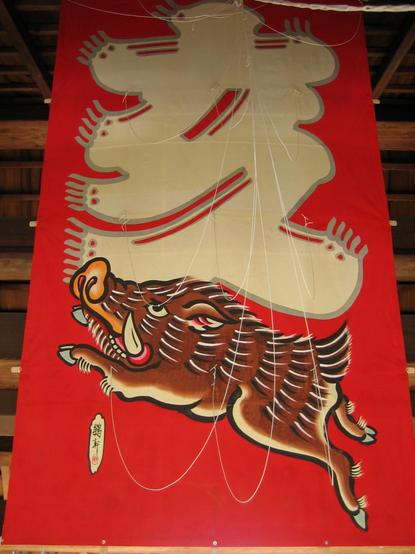
In addition to this connection between boars and fire, it was believed that the thick, hairy skin of the animals helped protect them from mosquitoes, and so these ideas maybe inspired potters when they came to create a holder for incense coils...
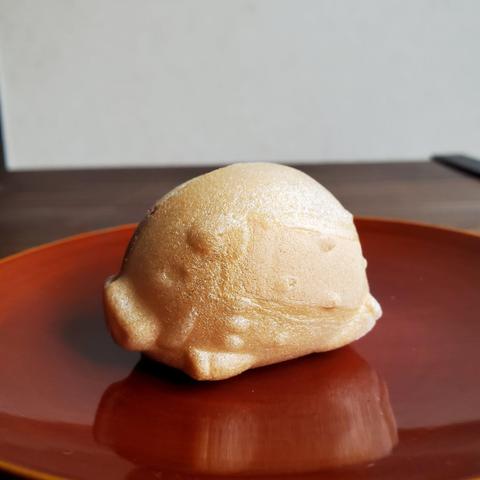
But why a pig?
There is no definitive answer, but the connection between pigs (in reality boars) and mosquitoes may have solidified in Edo times.
It is likely the pottery pig-shaped coil holders appeared from the Meiji period in Aichi prefecture.
It was Ei'ichirō's wife Yuki, in 1895, that suggested he shape the incense into coils.
It took 7 years to perfect!
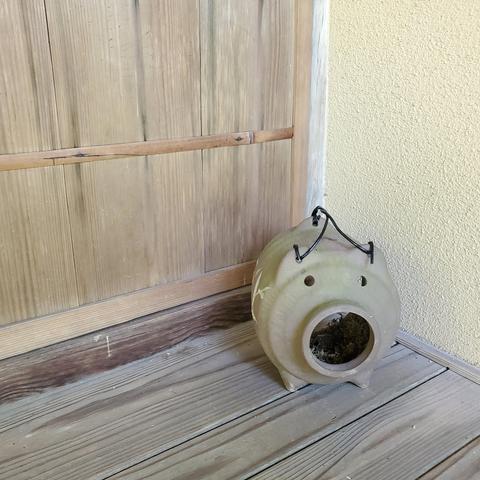
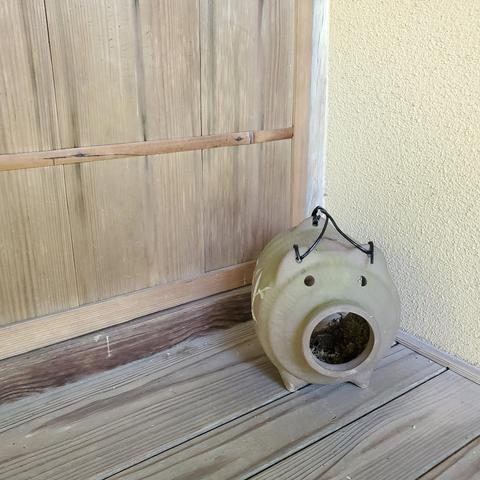
Nowadays katori senkō has become synonymous with a pig-shaped holder called 'kayari buta' (蚊遣り豚 the 'mosquito repelling pig').
It is deeply evocative of summer.
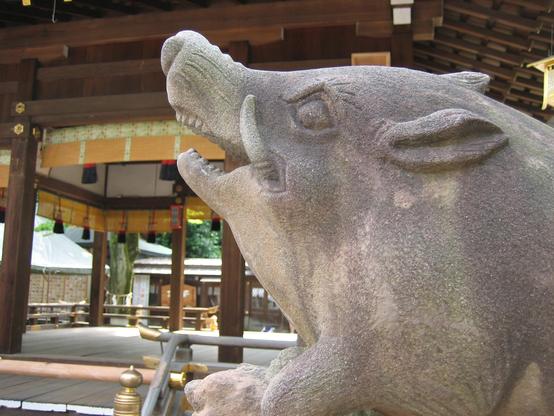
In addition to this connection between boars and fire, it was believed that the thick, hairy skin of the animals helped protect them from mosquitoes, and so these ideas maybe inspired potters when they came to create a holder for incense coils...
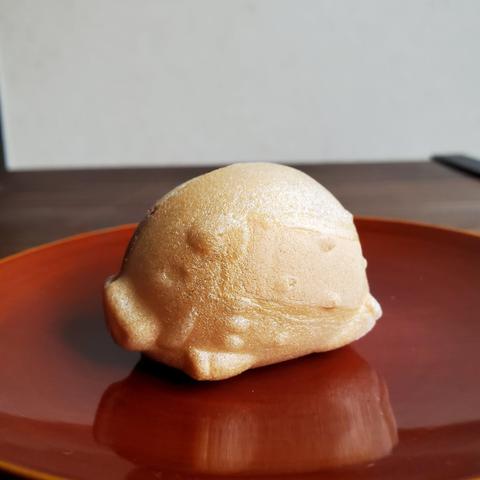
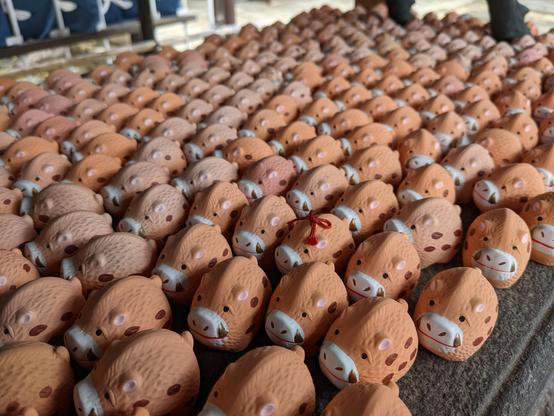
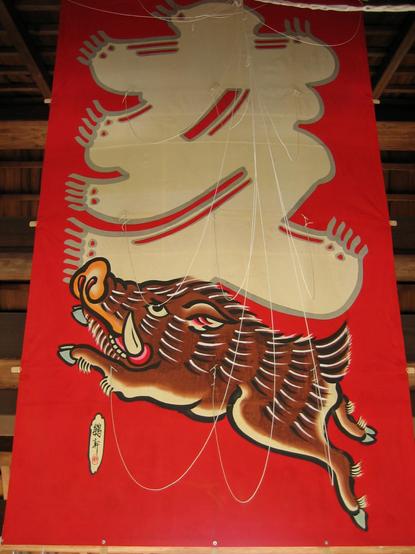
But why a pig?
There is no definitive answer, but the connection between pigs (in reality boars) and mosquitoes may have solidified in Edo times.
It is likely the pottery pig-shaped coil holders appeared from the Meiji period in Aichi prefecture.