 Taylor Lorenz
Ed Yong is such a real one <3 https://www.nytimes.com/2025/02/22/magazine/ed-yong-interview.html?unlocked_article_code=1.y04.Wrq7.R5L0fwPg8N5l&smid=url-share
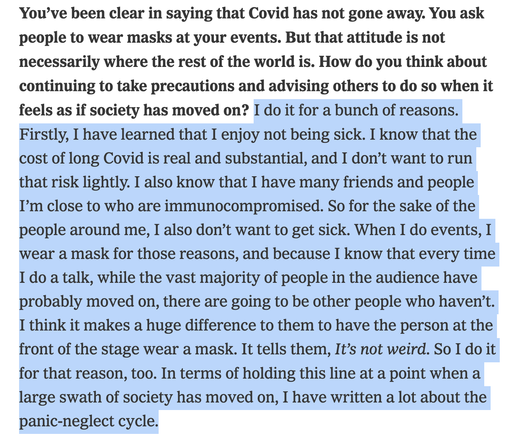
@kirakira @taylorlorenz "not getting sick" was the part of lockdown I absolutely did not mind. Not even a cough. I mean that was the point right.
Unfortunately now just leaving the house seems to be "hello welcome to the virus party" regardless of whether masking or not.

Long COVID (also known as post-acute sequelae of SARS-CoV-2 infection [PASC] or post-COVID syndrome) is characterized by persistent symptoms that extend beyond the acute phase of SARS-CoV-2 infection, affecting approximately 10% to over 30% of those infected. It presents a significant clinical challenge, notably due to pronounced neurocognitive symptoms such as brain fog. The mechanisms underlying these effects are multifactorial, with mounting evidence pointing to a central role of cerebromicrovascular dysfunction. This review investigates key pathophysiological mechanisms contributing to cerebrovascular dysfunction in long COVID and their impacts on brain health. We discuss how endothelial tropism of SARS-CoV-2 and direct vascular infection trigger endothelial dysfunction, impaired neurovascular coupling, and blood–brain barrier disruption, resulting in compromised cerebral perfusion. Furthermore, the infection appears to induce mitochondrial dysfunction, enhancing oxidative stress and inflammation within cerebral endothelial cells. Autoantibody formation following infection also potentially exacerbates neurovascular injury, contributing to chronic vascular inflammation and ongoing blood–brain barrier compromise. These factors collectively contribute to the emergence of white matter hyperintensities, promote amyloid pathology, and may accelerate neurodegenerative processes, including Alzheimer’s disease. This review also emphasizes the critical role of advanced imaging techniques in assessing cerebromicrovascular health and the need for targeted interventions to address these cerebrovascular complications. A deeper understanding of the cerebrovascular mechanisms of long COVID is essential to advance targeted treatments and mitigate its long-term neurocognitive consequences.

 kessler herd immunity
 that ordinal person
 BenjaminHimes
 Viss
Viss Nicholas Scott-Mills
 Christopher Dial
 jonsinger