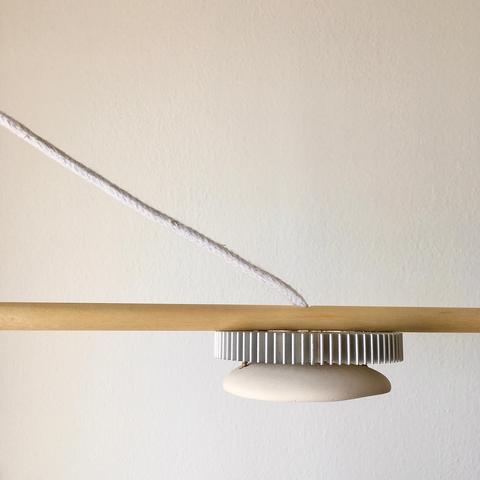
πŸ’‘ New project! An USB powered LED desk lamp made of wood, ceramic, and aluminum. It will be called "Portuaria", which in Spanish means "related to the port", because its shape reminds me of the cranes and sailboats at the port.

🧡 #PortuariaLamp #lamp #prototype #LED #USB #lampdesign #woodenlamp #woodworking #electronics
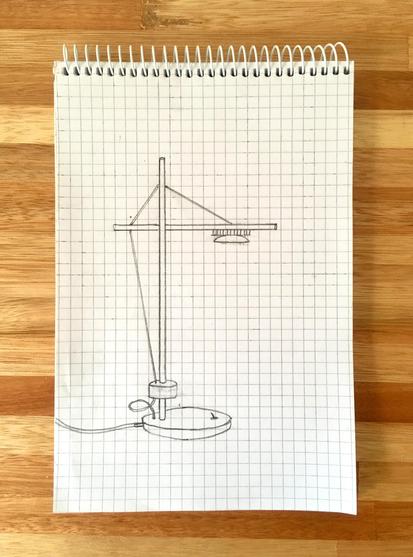
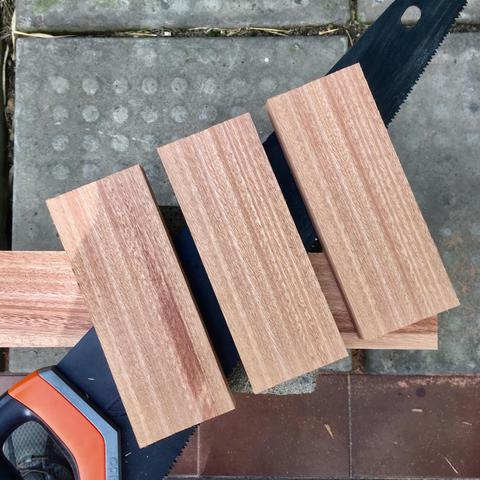
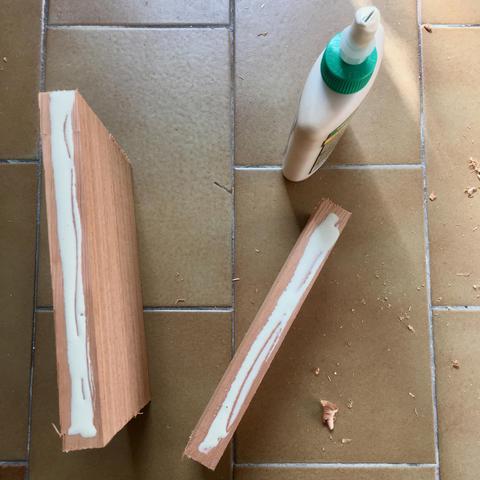
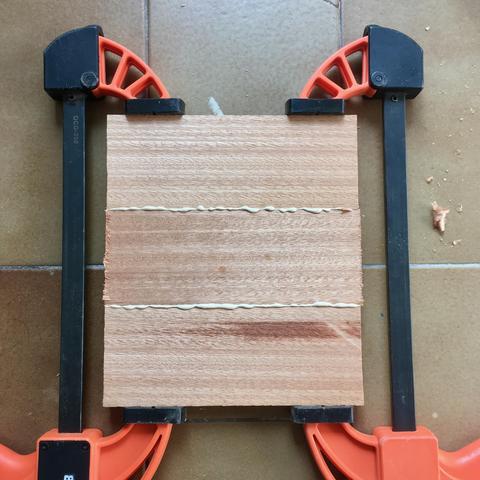
I wanted the base of the lamp to be a 16 x 2 cm disc, but I only had 7 x 2 cm boards around here, so I ended up glueing a few cuts.

🧡 #PortuariaLamp #lamp #prototype #woodenlamp

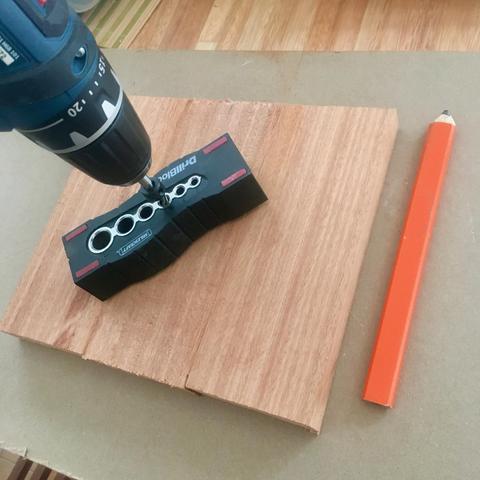
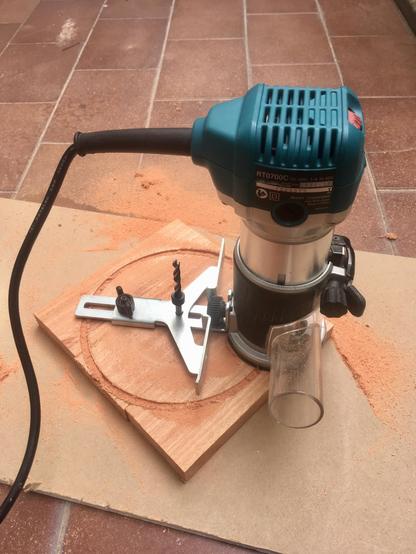
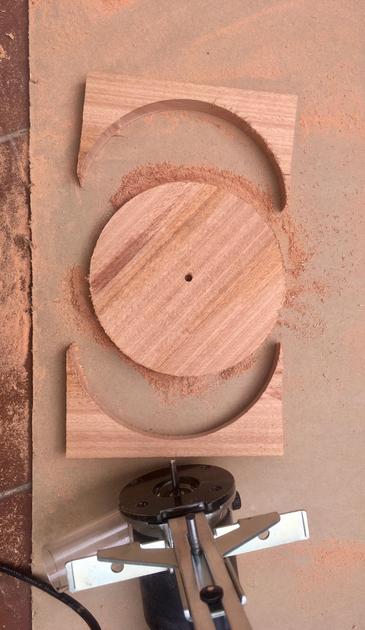
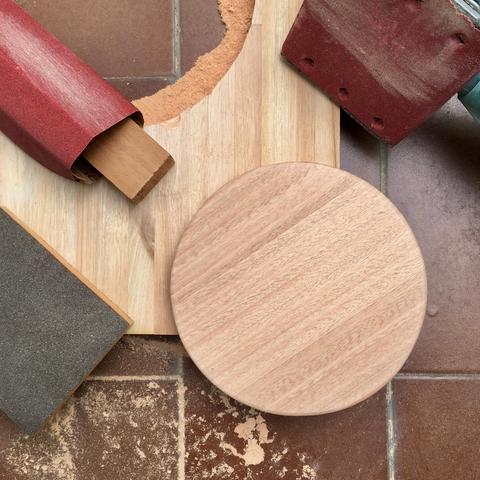
Then I cut a circle with the hand router using the guide as a compass, and sanded it with the orbital sander and sanding sponge.

🧡 #PortuariaLamp #lamp #prototype #woodenlamp

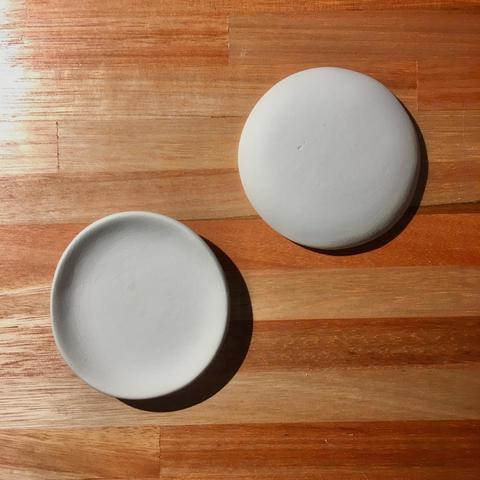
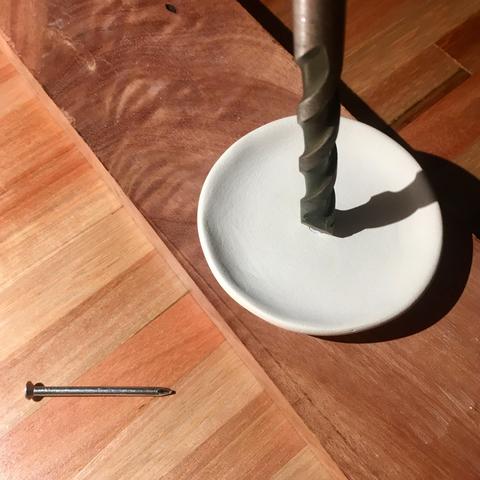
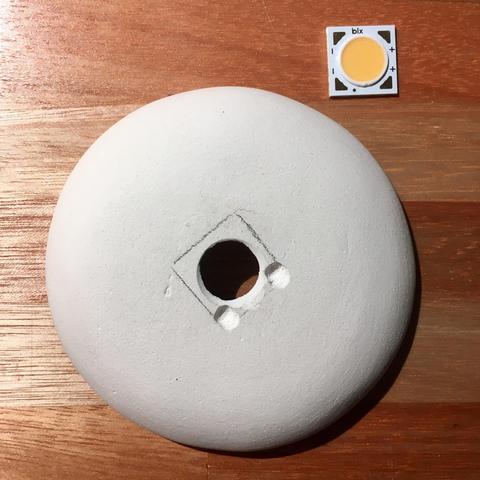
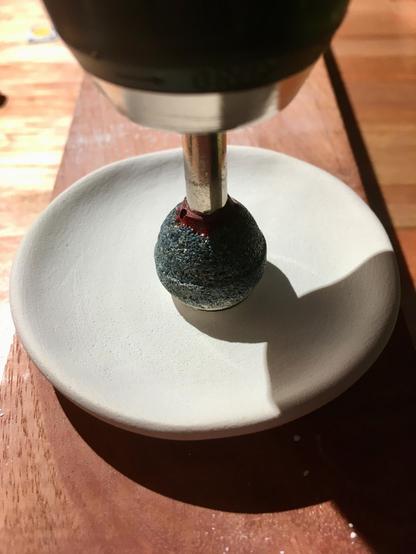
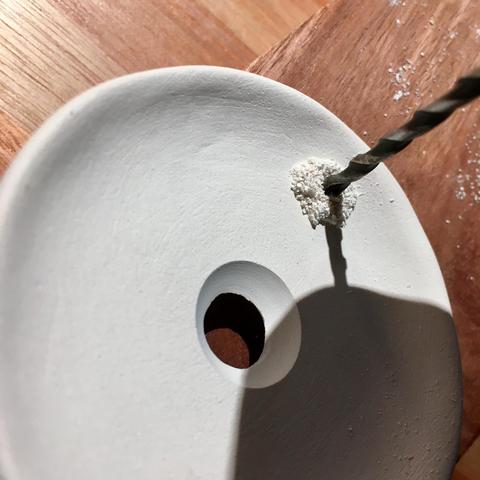
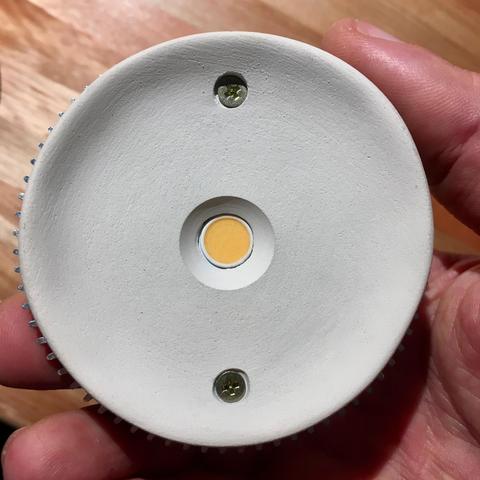
Recycling ceramics to build a lampshade. I found that these mini bowls I made to test ceramic glazes roughly fit what I need for the lampshade of the prototype, so I drilled one to accommodate the LED and two screws.

🧡 #PortuariaLamp #lamp #prototype #woodenlamp #LED

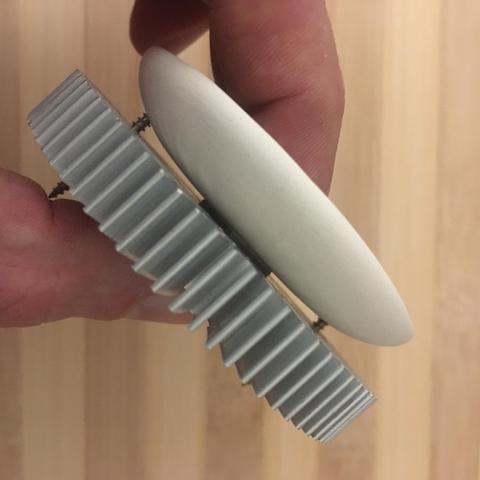
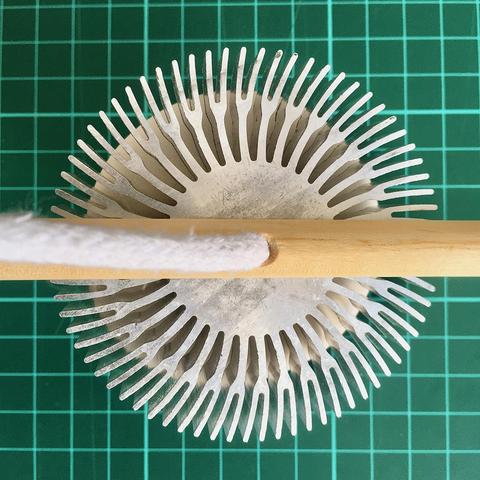
The screws pass between the heatsink fins and will attach both the lampshade and heatsink to the wooden rod.

🧡 #PortuariaLamp #lamp #prototype #woodenlamp #LED

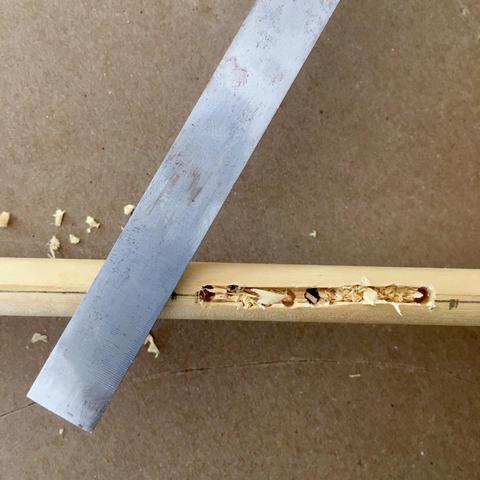
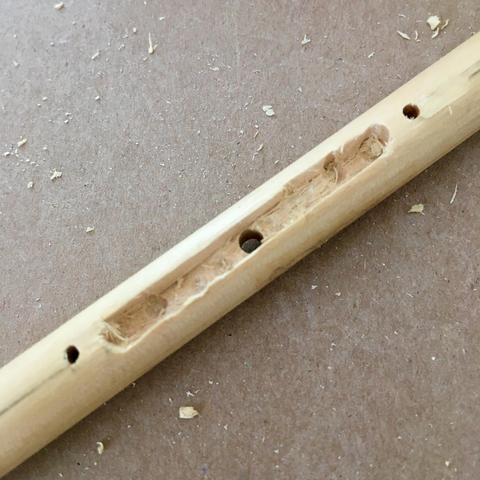
First attempt to mount the lamp head on the rod πŸ€”. What seemed easy in the drawing turned out not to be so easy when transferring it to materials.

The difficult thing was making the 3 mm slot in the 10 mm rod, and getting it to align with tolerances of less than 1 mm.

Next time I'm going to try with a router and templates, we'll see how it goes with that.

🧡 #PortuariaLamp #lamp #prototype #woodenlamp #woodworking

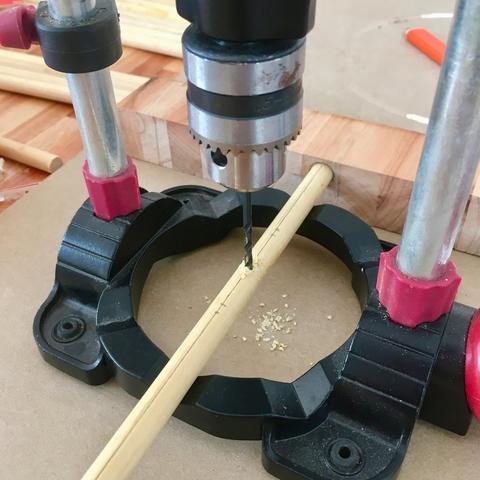
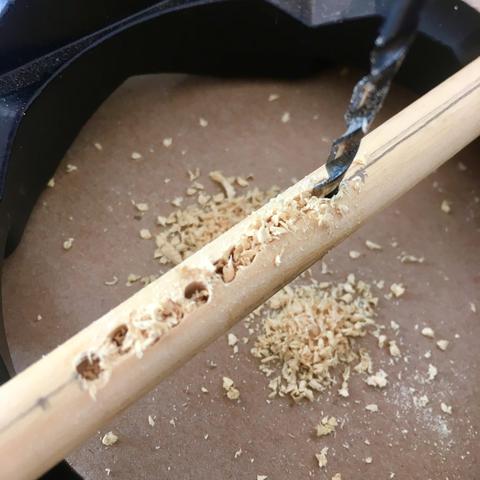
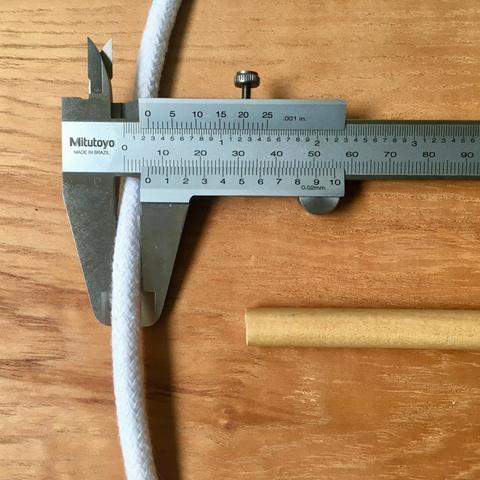
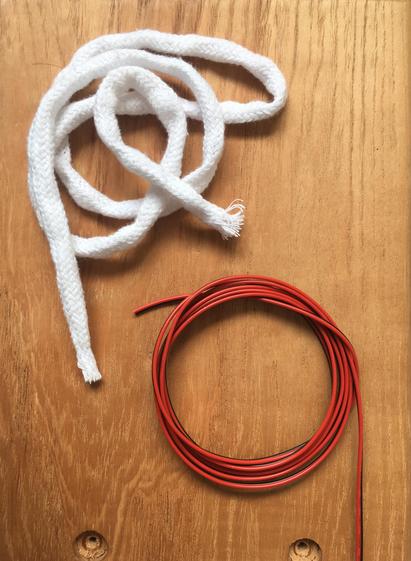
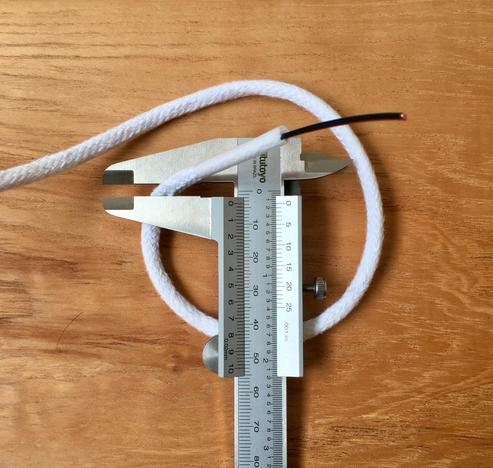
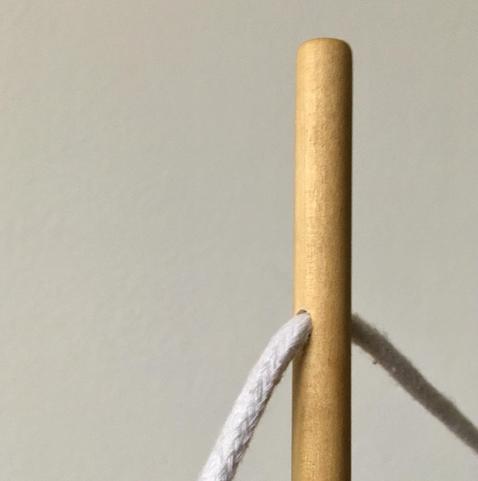
Stripping a cable to dress another πŸ€¦β€β™‚οΈ. The cable with a cotton textile sheath that I got is very thick compared to the diameter of the rods. The rods are 10 mm in diameter and the cable is 6.5 mm, so when drilling holes in the rods to pass the cable through there would only be 1.75 mm of wood left on each side.

So, I made a customized cable using the sheath of the original cable and an AWG 24 cable. The new one is 2.5 x 4 mm and fits perfectly in 4 mm holes πŸ‘.

🧡 #PortuariaLamp #lamp #prototype

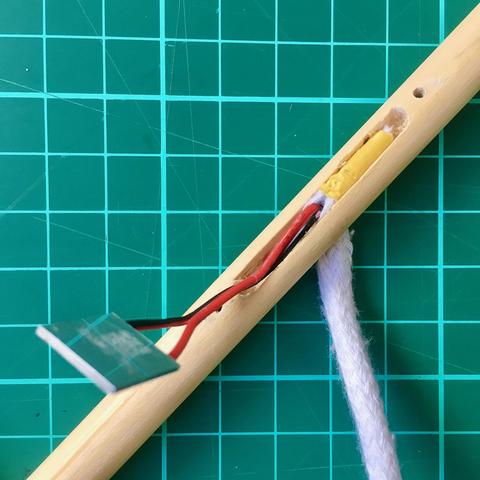
Assembling the head of the lamp. Despite the chamfered slot, it turned out pretty well. The yellow thing at the tip of the cotton sheath is a heat-shrink with glue, which is then inserted under pressure into the slot. It's the first thing that occurred to me to fix the sheath to the rod so that it can withstand the tension. Perhaps in the next iteration I will replace that with a screw, although the limited space is a challenge.

🧡 #PortuariaLamp #lamp #prototype #woodenlamp #woodworking

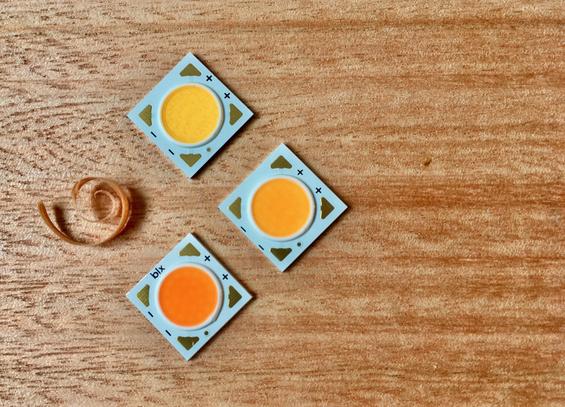
The LED I am using for the prototype lamps is one from the Bridgelux's Thrive series, which has a CRI of 98. The CRI is a color rendering index, which says how similar is the color rendering with the light from a LED compared to the rendering with natural light (which has a CRI of 100).

After using CRI 98 LEDs for a while, the CRI 90 ones look depressing, it's a one-way street 😁.

🧡 #PortuariaLamp #lamp #prototype #LED #CRI #lighting

@francc good choice of LED! This CoB has a great distribution and the high CRI makes everything sharper. I am a professional at optical components in Italy, and really enjoy seeing such designs for luminaires and new prototypes. If I can help with some optic/diffuser guidance, will be glad to help! Enjoy, and happy crafting

@ohm Thanks! I'm trying to show that even a hobbist designer can make better luminairies than what some big brands are selling. I got tired of replacing expensive top-brand GU10 LEDs every two years because they got self-burned by the awful thermal design πŸ€¦β€β™‚οΈ.

About the diffuser, this project may not need one because the COB coating already do a bit of diffusion, but I have some LED strips from Bridgelux for future projects that will really need one because they project multiple phantom shadows.

@francc sounds like a plan!
Just remember that the CoBs, like any LED has a lambertian diffusion, which may not be optimal - sometimes, controlling this diffusion, enriches the result. Btw, if you look at strips, there is a great LED from Bridgelux which is the 21M3D (2835 footprint). Solves a lot of things in terms of color over angle and is pretty efficient!
@ohm Color shifting over angle was a dimension I was not registering in my mind. Now I have a new topic for nerding about 😁.
@francc of course! This is a phenomenon where an optical component amplifies the phosphor causing yellow stains at the beam’s sides. The narrower the beam, the more this effect occurs. There are multiple ways to manage it of course. This happens because the actual chip size is smaller than the phosphor covering the LED. So, the Bridgelux mid power, having 2 chips each LED, helps mitigating this effect!
@francc as far as I know, Thrive is not yet ready. Also tried to use for some retail applications, but it looks to not be deliverable yet… it’s a pity, because I saw it at an exhibition and it was giving a very good light!