 Mark McCaughrean
If you've been following the ESA JUICE Moon-Earth flyby this week, images from the main science camera, JANUS, have now been released 🌗🌏👇
They show more detail in smaller regions than NAVCAM & monitoring cameras, & give a first glimpse at what can be expected when JUICE gets to Jupiter & starts imaging Callisto, Europa, Ganymede, & more.
https://www.esa.int/Science_Exploration/Space_Science/Juice/First_views_from_Juice_s_science_camera
Credit: ESA/JUICE/JANUS
JANUS developed by Leonardo SpA, ASI, INAF, DLR, CSIC-IAA, CEI-Open University
#JUICELEGA #SpaceScience
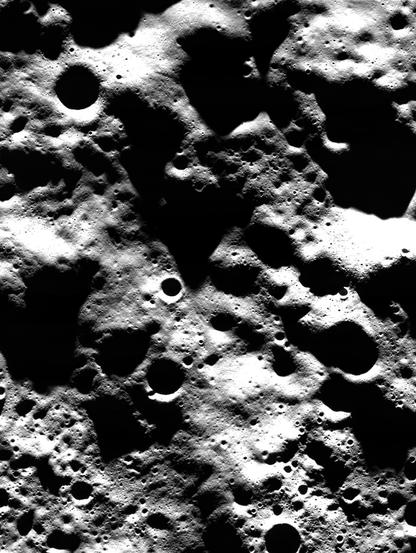
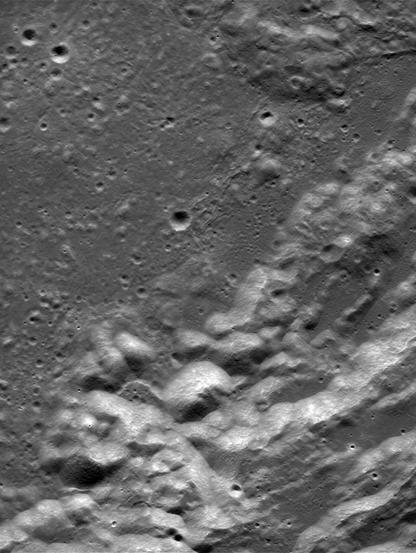

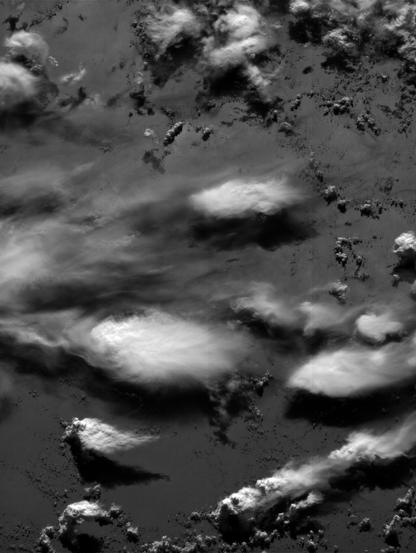

First views from Juice’s science camera
Since ESA’s Jupiter Icy Moons Explorer (Juice) flew by the Moon and Earth earlier this week, we’ve seen images from its monitoring cameras and we’ve seen images from its navigation camera. Today we reveal the first images from its scientific camera, JANUS, designed to take detailed, high-resolution photos of Jupiter and its icy moons.
 saarmuller