🪷A TALE OF TWO PONDS🌕

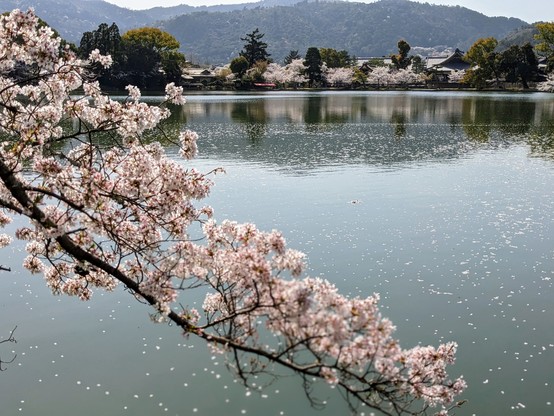
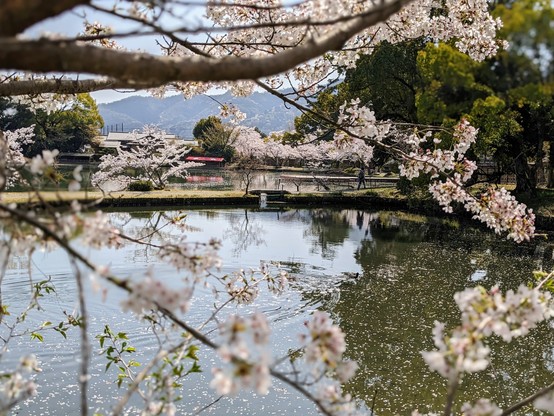
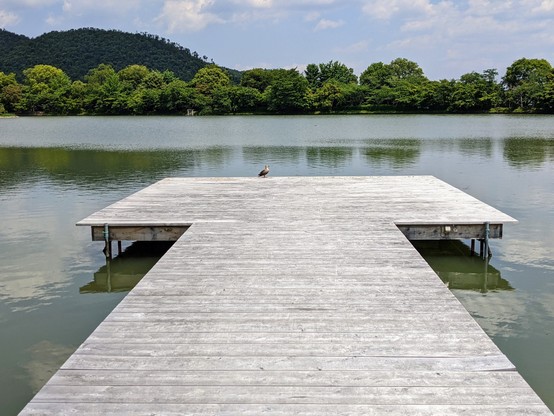
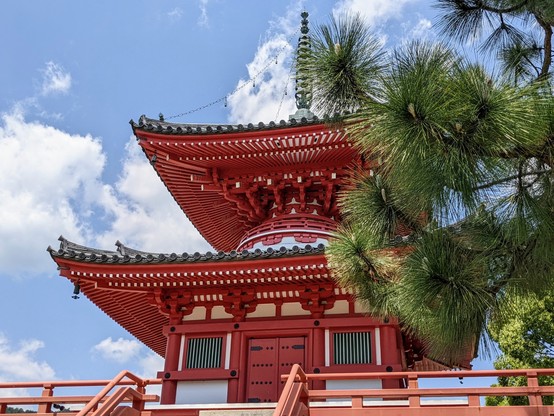
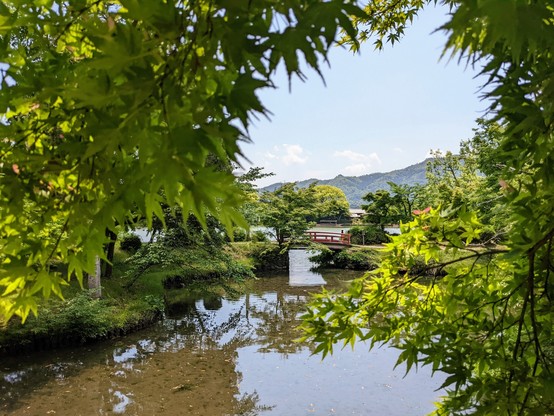
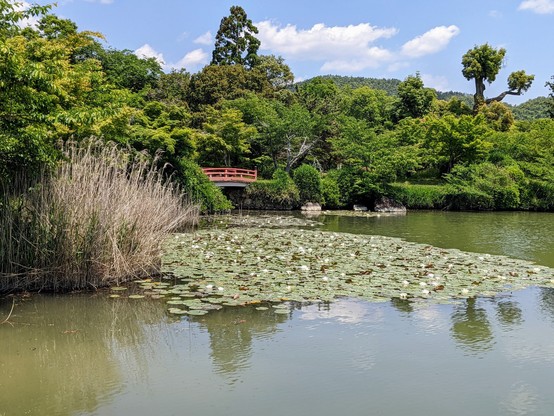
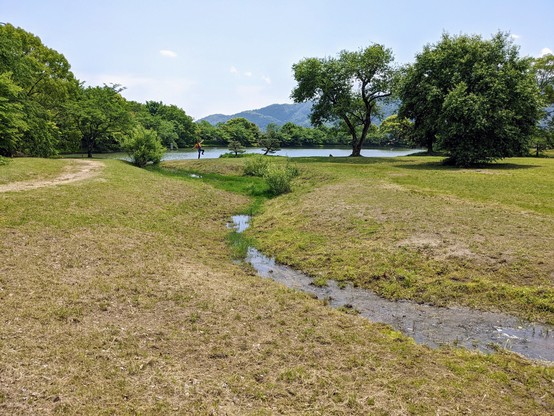
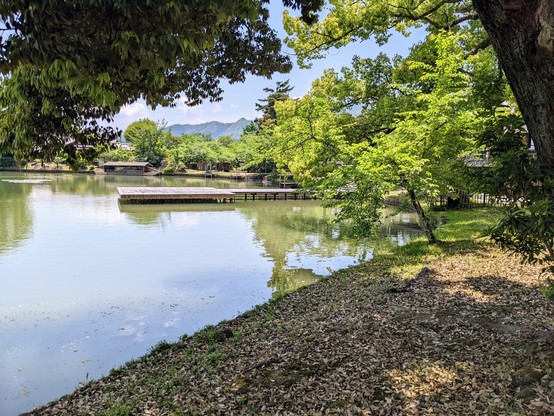
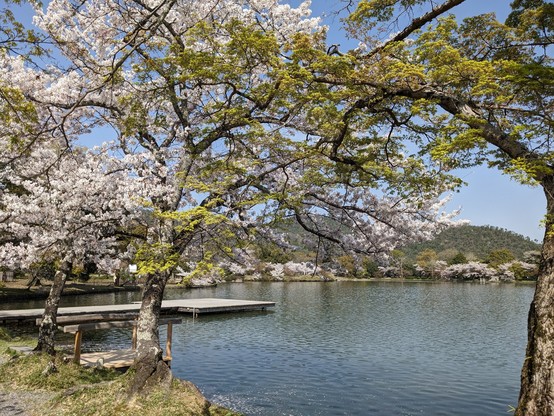
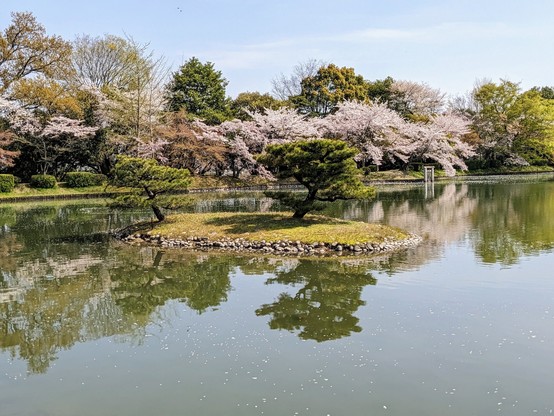
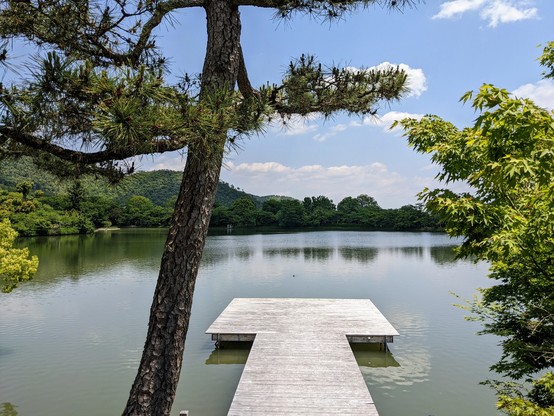
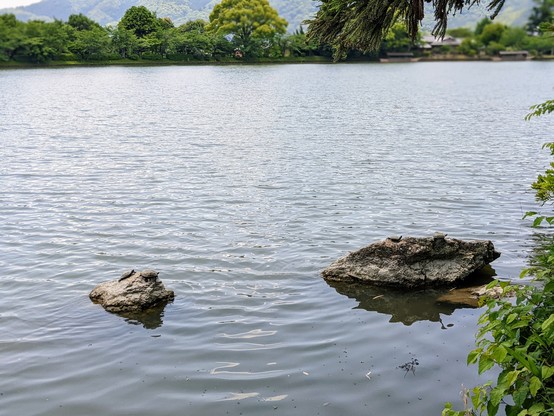
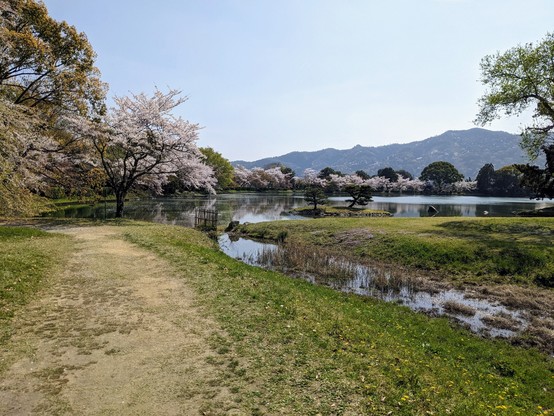
Daikaku-ji (大覚寺) stands by the banks of Ōsawa-no-ike (大沢池), the oldest artificial pond in Japan.

With a diameter of about 1km, it is theorised that the pond was created for moon-viewing, which would make it the oldest moon-viewing spot in Kyōto.

#Kyoto #京都 #Japan #Daikakuji #大覚寺 #OsawaPond #大沢池 #cherryblossoms #sakura #桜 #spring
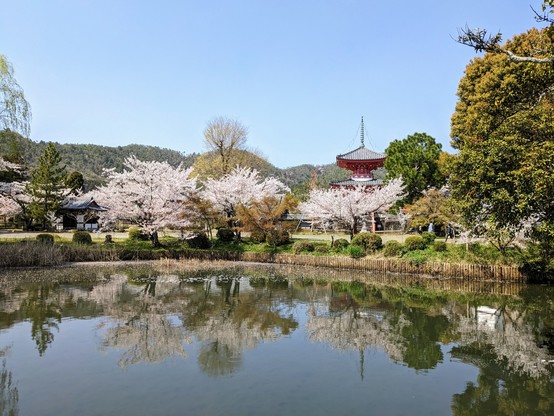
Ōsawa-no-ike was most probably dug some time from 814, when Emperor Saga (嵯峨天皇 786-842) began work on a sprawling palace that would act as his seat of power in retirement.

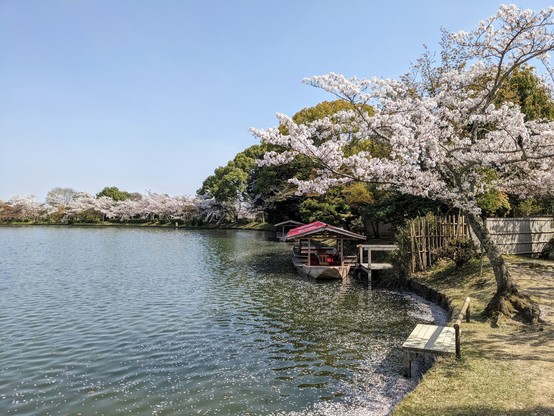
The pond was part of "Saga-in's" (離宮嵯峨院) vast garden, intended primarily as a boating lake.

#Kyoto #京都 #Japan #OsawaPond #大沢池 #sakura #桜

Designed by the court painter Kose-no-Kanaoka (巨勢金岡) or possibly the artist Kudara-no-Kawanari (百済河成 782-853), the pond was inspired by Dongting Lake (洞庭湖) in China.

The entire gardens were landscaped to be enjoyed from boats on the pond.

#Daikakuji #大覚寺 #Kyoto #京都 #Japan #pond #cherryblossoms #桜 #spring #boating

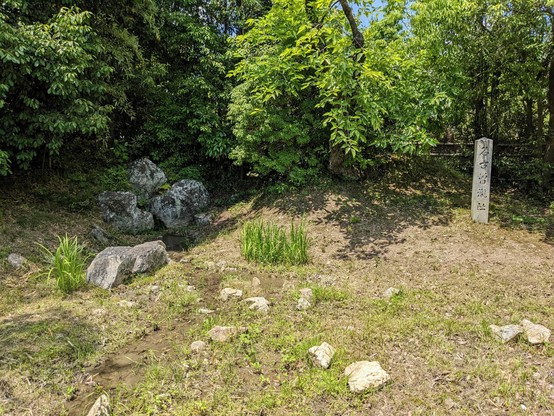
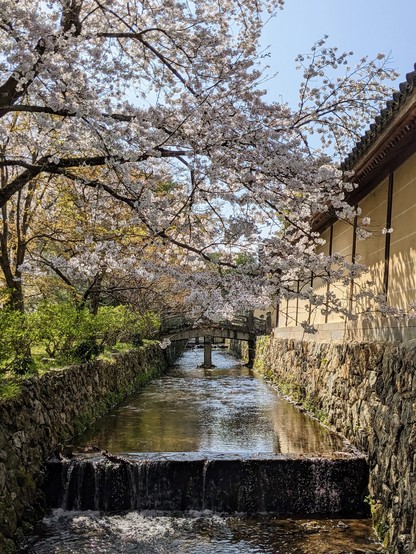
We know that Kudara had a hand in creating the gardens and Nakoso Waterfall (名古曽瀧), now one of the last remnants of the original grounds.

The pond was made by damming a stream that poured over the waterfall. To prevent water seeping away the pond was lined with clay and rock.

#Kyoto #京都 #Japan #spring #cherryblossoms

though the sound
of the cascade
long since has ceased
we still hear the murmur
of its name

滝の音は
絶えて久しく
なりぬれど
名こそ流れて
なほ聞えけれ

Fujiwara-no-Kintō's (大納言公任 966-1041) poem (55 of the Hyakunin Isshu 百人一首) was inspired by the gardens.

#百人一首 #Kyoto #poetry #poem #HyakuninIsshu #京都 #Japan #嵯峨野 #Sagano

During Emperor Saga's time a terrible epidemic struck. Kūkai (空海) advised him to copy out the Heart Sutra, and sure enough the plague was ended. The original is displayed every 60 years (next in 2078).

In 876 Saga's daughter, Princess Masako, turned the palace into Daikaku-ji.

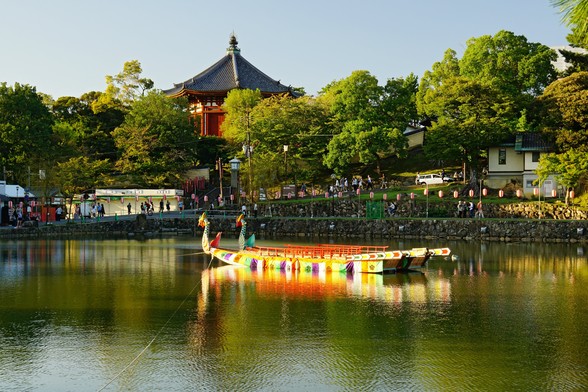
Around the date of the harvest moon a three day moon-viewing party, 'Kangetsu-no-yube' (観月の夕べ), has been celebrated on the pond since Emperor Saga's time...with dragon boats, dancers, musicians and Buddhist services.

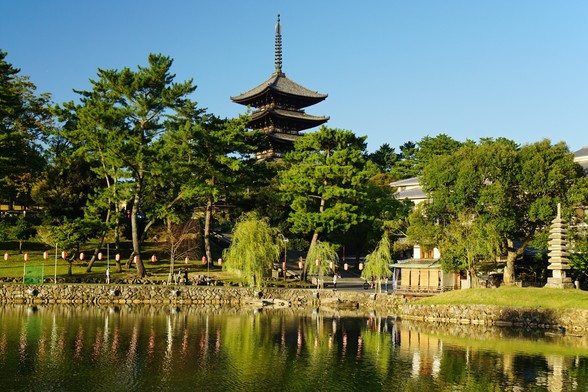
Along with Nara’s Sarusawa-no-ike (奈良・猿沢池) and Shiga’s Ishiyama-dera (滋賀県・石山寺), Ōsawa-no-ike was counted 1 of the Heian period's 3 famed Moon-Viewing Spots.

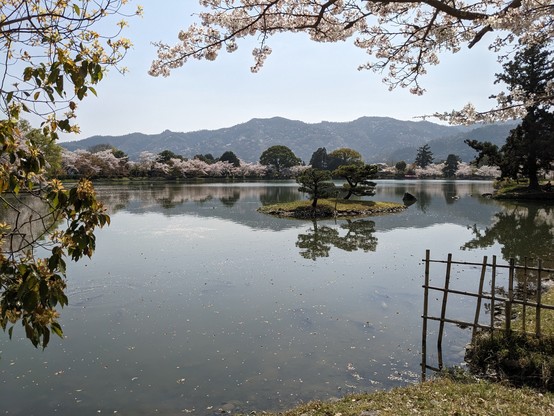
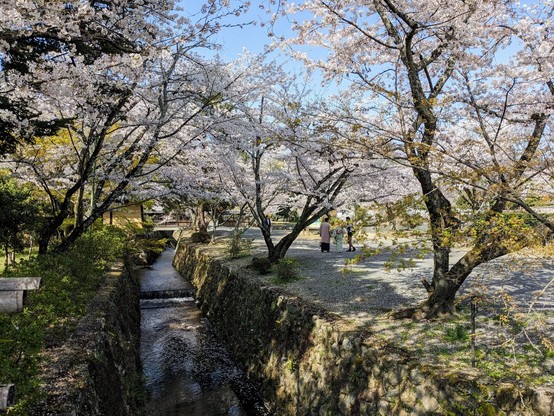
Nowadays the pond is most famed for the sakura and momiji trees (around 650 in total) that line the banks.

#Kyoto #京都 #Nara #奈良 #Shiga #滋賀 #moonviewing

At the pond's north end are 2 islands: larger Tenjin-jima (天神島) and smaller Kiku-jima (菊島), with small rocky islets representing junks at anchor.

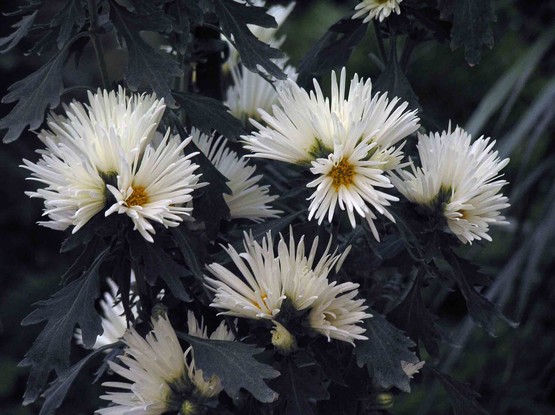
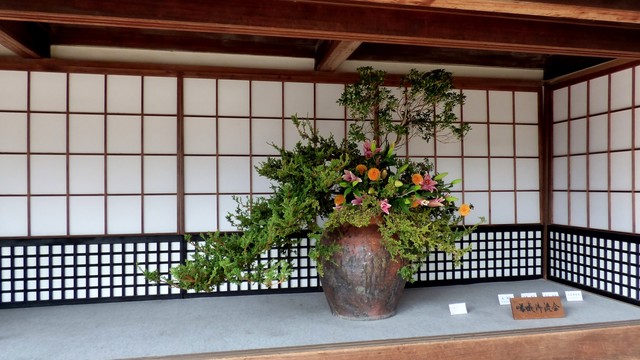
The wild chrysanthemums growing on Kiku-jima would lead to the development of Saga Go-ryū (嵯峨御流) school of flower arrangement.

#chrysanthemum #Daikakuji #OsawaPond #ikebana #flowerarranging #Japan

there’s a single stem-
I thought-of chrysanthemum, yet
at Ōsawa
pond, within there is another;
who planted it, I wonder?
ひともとと
思ひし菊を
大沢の
池の底にも
誰か植ゑけむ

Ki-no-Tomonori's (紀友則 850-904) poem references Ōsawa's famed chrysanthemum.

Wild chrysanthemums began growing on the smaller of Ōsawa Pond's islets shortly after its creation, leading to the name 'Chrysanthemum Island'.
Saga-giku (嵯峨菊), now known as 1 of Japan's "3 Great Chrysanthemums", inspired the creation of Daikaku-ji's school of ikebana.