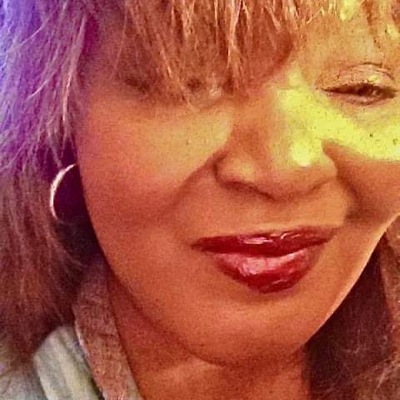
60 years ago this week, Rev. Dr. Martin Luther King Jr, delivered “I Have A Dream” at a seminal event in American history. The idea of a march of thousands of people united in the search for justice, equality, and equal opportunity percolated in the minds of organizers for decades. Years before Black Americans had been thinking and strategizing.

1/

@[email protected] @BlackMastodon #BlackMastodon #Histodons #History #StillWeRise #BlackHistory
#WasingtonDC #MarchOnWashington #MLK #Florida
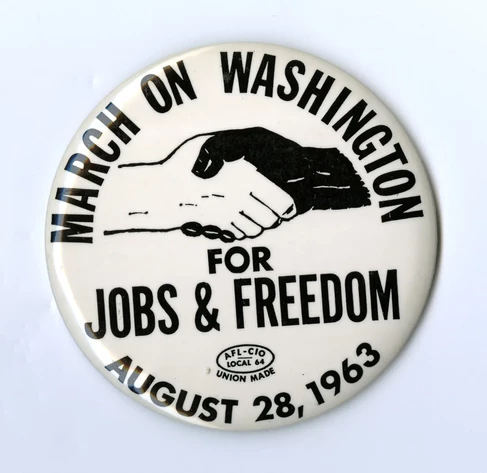
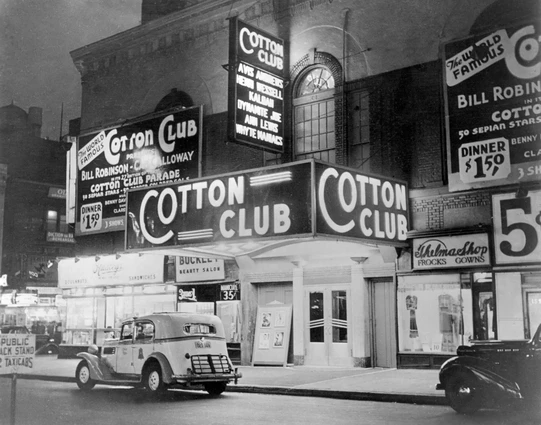
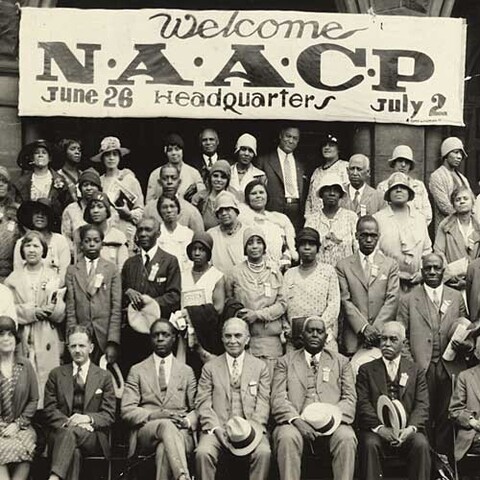
Decades before the march on Washington, a series of interconnected elements led to to the culminating events of August 28, 1963. These include, the formation of the NAACP, the Harlem, renaissance and a celebration of black identity, culture and history.

2/

#BlackMastodon #Histodons #History #StillWeRise #BlackHistory
#WasingtonDC #MarchOnWashington #MLK

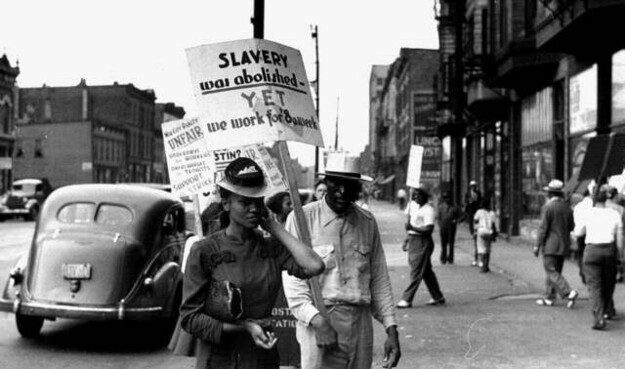
The March also descended from the effects of the great migration, the efforts of a Philip Randolph to obtain better working conditions for the members of the brotherhood of sleeping car porters, brown V, board of Ed, the murder of Emmett Till, the Little Rock Nine, and the Montgomery Bus boycott , sit ins and freedom rides of the early 1960s.

3/

#BlackMastodon #Histodons #History #StillWeRise #BlackHistory
#WasingtonDC #MarchOnWashington #MLK

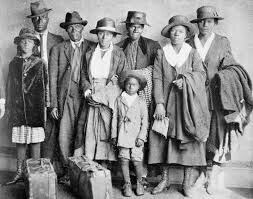
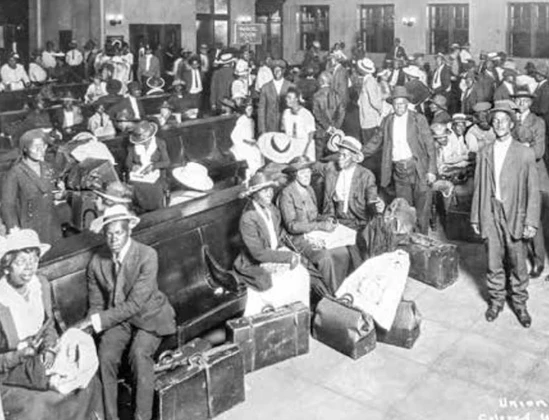
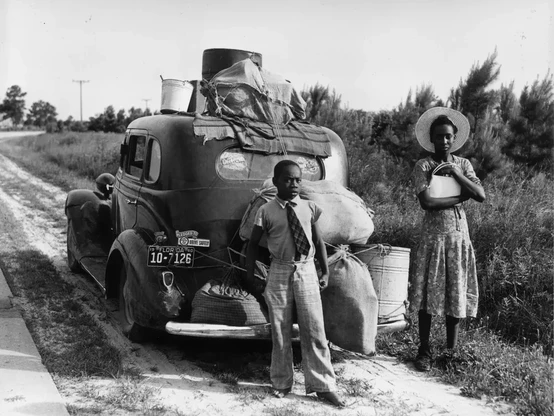
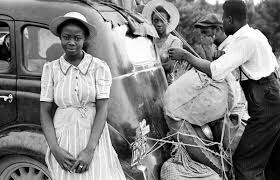
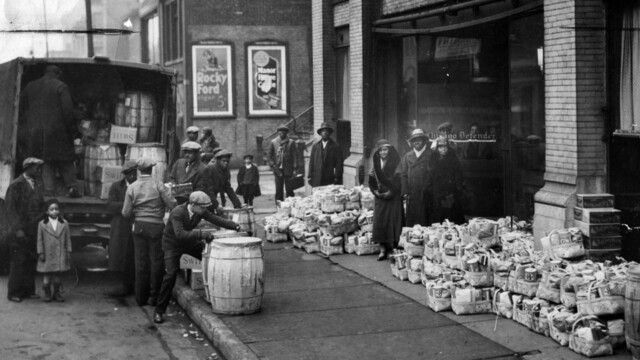
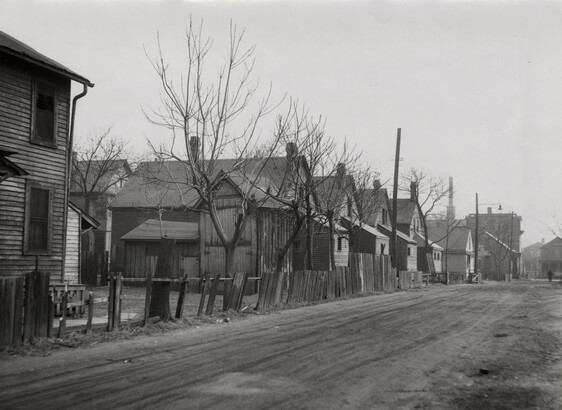
During World War I, millions of Black Americans moved from the rural South to the urban North in search of better economic opportunities and to escape Jim Crow laws. This massive demographic shift had profound cultural and political implications, helping to galvanize the civil rights movement in the North, where racial tensions became increasingly visible.

4/

#BlackMastodon #Histodons #History #StillWeRise #BlackHistory
#WasingtonDC #MarchOnWashington #MLK

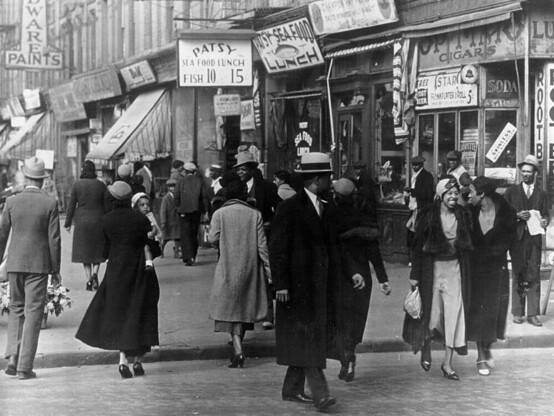
As Black Americans moved to cities in the North, they often found themselves facing new forms of discrimination and inequality, even though they had left the overt segregation of the South behind. This realization led to a growing sense of urgency among black communities for comprehensive civil rights and economic reforms.

5/

#BlackMastodon #Histodons #History #StillWeRise #BlackHistory
#WasingtonDC #MarchOnWashington #MLK

The experiences of those who participated in the Great Migration fueled a collective desire for change, inspiring a broader movement for civil rights and economic justice. This sentiment created a fertile ground for the idea of the March on Washington, where people from diverse backgrounds could come together

6/

#BlackMastodon #Histodons #History #StillWeRise #BlackHistory
#WasingtonDC #MarchOnWashington #MLK

Black Americans could then en masse demand both an end to racial segregation and discrimination and economic opportunities that had been denied to them for so long.

In essence, the Great Migration highlighted the need for addressing both civil rights and economic issues, which became central themes of the March on Washington’s message.

7/

#BlackMastodon #Histodons #History #StillWeRise #BlackHistory
#WasingtonDC #MarchOnWashington #MLK

The Great Migration not only brought attention to the need for civil rights and economic reform but also provided a crucial demographic shift that contributed to the viability and impact of the March on Washington. The influx of Black Americans into urban centers created a larger and more concentrated population that could mobilize and participate in such a significant demonstration.

8/

#BlackMastodon #Histodons #History #StillWeRise #BlackHistory
#WasingtonDC #MarchOnWashington #MLK

The diverse experiences of those who had migrated - from rural to urban, from the South to the North - also added depth to the narratives of inequality and discrimination, showcasing that the issues faced by Black Americans were not confined to one region or aspect of life. This broader perspective resonated with a wider audience and helped create an atmosphere for a march.

9/

#BlackMastodon #Histodons #History #StillWeRise #BlackHistory
#WasingtonDC #MarchOnWashington #MLK

Moreover, the Great Migration fostered a sense of solidarity among African Americans who shared similar struggles despite their diverse backgrounds. This shared experience laid the groundwork for a united front, making it easier to organize a massive event like the March on Washington, where people from various walks of life could stand together and demand change.

10/

#BlackMastodon #Histodons #History #StillWeRise #BlackHistory
#WasingtonDC #MarchOnWashington #MLK

In this way, the Great Migration provided not only the impetus for demanding justice and equality but also the logistical and emotional foundation that made the March on Washington a pivotal moment in the civil rights movement, shaping the trajectory of advocacy and reform for years to come.

11/

#BlackMastodon #Histodons #History #StillWeRise #BlackHistory
#WasingtonDC #MarchOnWashington #MLK

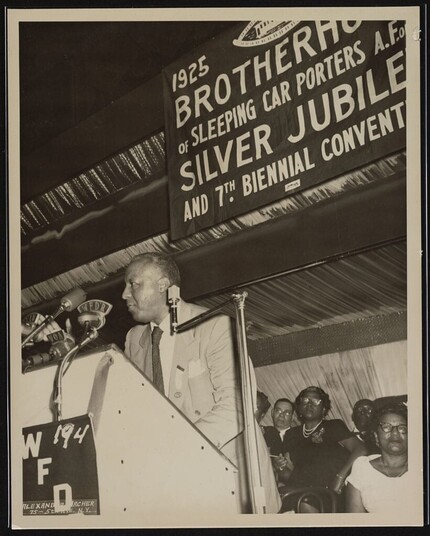
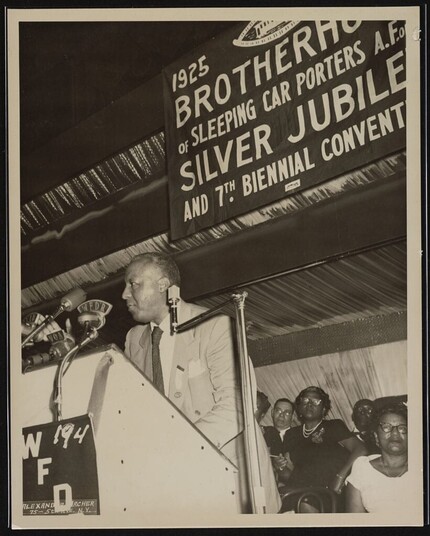
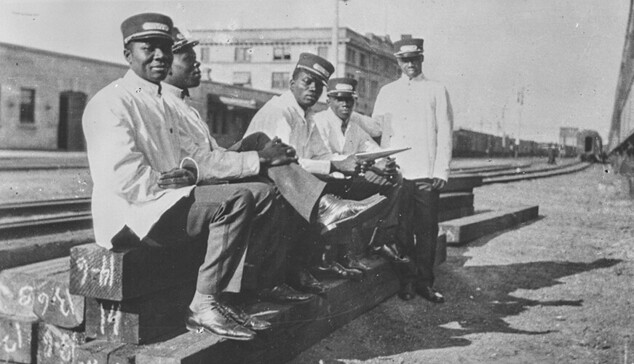
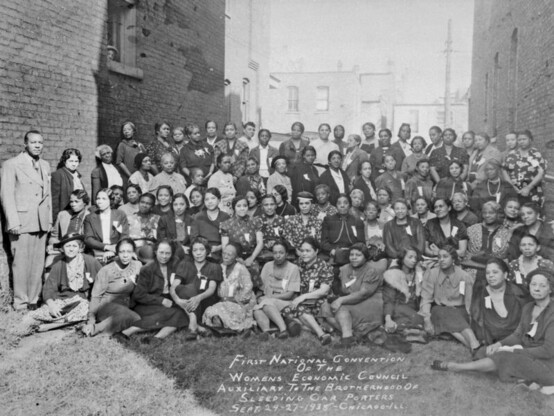
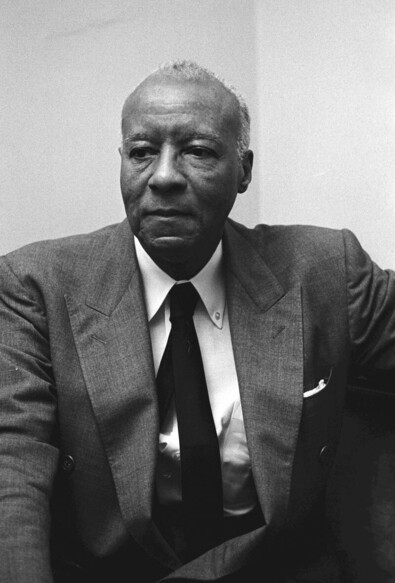
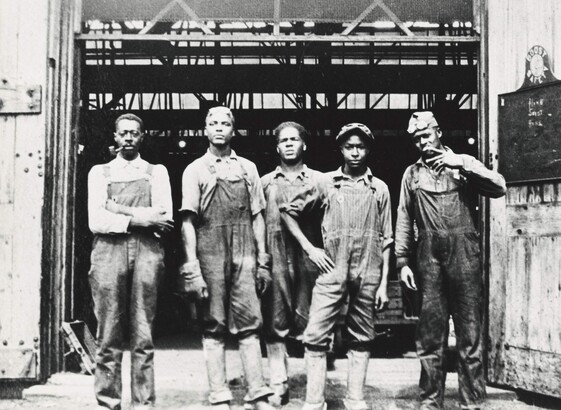
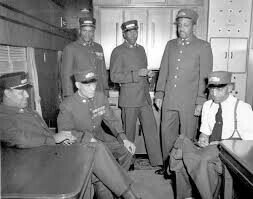
In 1925, the civil rights activist, A. Phillip Randolph helped found and later became the president of the Brotherhood of Sleeping Car Porters (BSCP). The Pullman Company, one of the largest employers of African Americans at the time, had a predominantly Black workforce of porters.

12/

#BlackMastodon #Histodons #History #StillWeRise #BlackHistory
#WasingtonDC #MarchOnWashington #MLK

These porters worked long hours under challenging conditions for meager pay. The BSCP was a groundbreaking effort, as it aimed to unionize the porters and fight for better wages and working conditions.

Despite facing significant resistance from the Pullman Company, by 1937 the BSCP became the first African American labor union to sign a collective bargaining agreement with a major U.S. corporation.

13/

#BlackMastodon #Histodons #History #BlackHistory
#WasingtonDC #MarchOnWashington #MLK

As the U.S. prepared for World War II, defense industries rapidly expanded. However, Black Americans were often excluded from these well-paying jobs due to racial discrimination. Randolph, recognizing an opportunity to leverage the nation’s dependence on the defense sector, proposed a mass march on Washington to protest these discriminatory practices.

14/

#BlackMastodon #Histodons #History #StillWeRise #BlackHistory
#WasingtonDC #MarchOnWashington #MLK

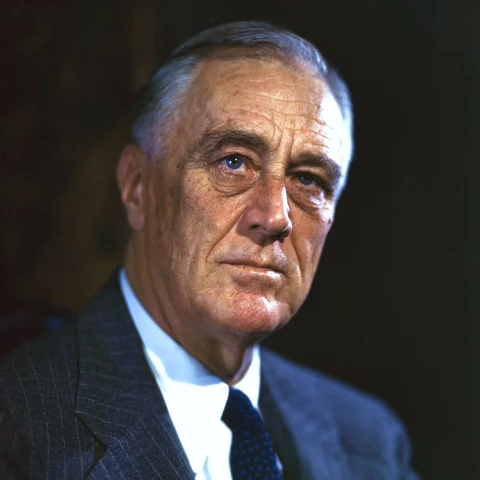
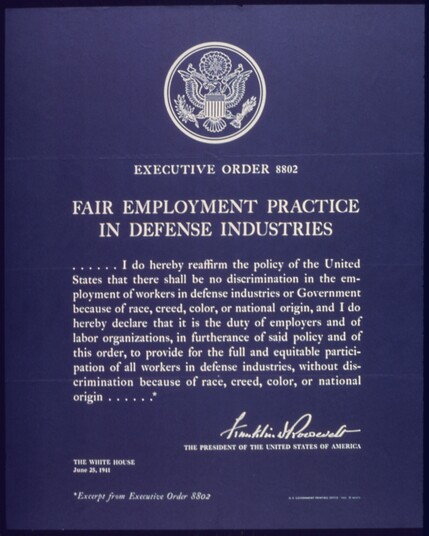
The threat of tens of thousands of protesters descending on the capital was a serious concern for President Roosevelt’s administration. In response to the looming threat of the march, President Franklin D. Roosevelt issued Executive Order 8802 in June 1941. This order banned discriminatory employment practices by federal agencies and all unions and companies engaged in war-related work.

15/

#BlackMastodon #Histodons #History #StillWeRise #BlackHistory
#WasingtonDC #MarchOnWashington #MLK

It established the Fair Employment Practices Committee (FEPC) to investigate charges of discrimination. Recognizing the strides made by this order, Randolph called off the planned march. However, he continued to champion the need for further progress in the years that followed.

16/

#BlackMastodon #Histodons #History #StillWeRise #BlackHistory
#WasingtonDC #MarchOnWashington #MLK

A. Phillip Randolph’s efforts in the 1940s laid essential groundwork for the Civil Rights Movement of the 1950s and 60s. His vision for a march on Washington would eventually be realized in 1963, reflecting both his enduring influence and the continued fight for racial and economic justice in America.

17/

#BlackMastodon #Histodons #History #StillWeRise #BlackHistory
#WasingtonDC #MarchOnWashington #MLK

In essence, A. Philip Randolph’s impact transcends just the labor movement or the civil rights struggle. He masterfully bridged these two worlds, emphasizing the intrinsic link between economic and racial justice. The 1963 March on Washington, inspired by his initial idea, stands as a testament to his lasting legacy

18/

#BlackMastodon #Histodons #History #StillWeRise #BlackHistory
#WasingtonDC #MarchOnWashington #MLK

The relationship between job and housing competition between whites and the Black Great Migration is complex and multifaceted, reflecting the economic and social dynamics of the time. Millions of Black Americans migrated from the rural South to the urban North in search of better economic opportunities and to escape racial oppression.

19/

#BlackMastodon #Histodons #History #StillWeRise #BlackHistory
#WasingtonDC #MarchOnWashington #MLK

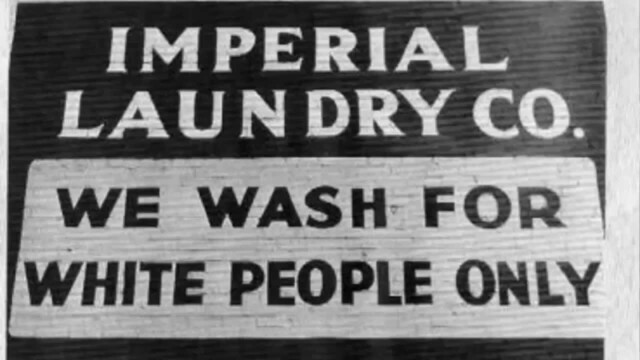
However, at their new destinations, encountered a variety of challenges, including competition for jobs and housing with the existing white population.

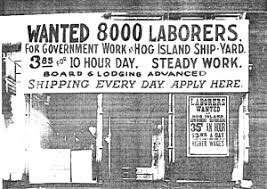
The influx of Black American migrants into Northern cities created increased competition for jobs. Many white workers saw the new Black migrants as threats to their employment, fearing that employers would hire them for lower wages.

20/

#BlackMastodon #Histodons #History #StillWeRise #BlackHistory
#WasingtonDC #MarchOnWashington #MLK

This tension often led to labor disputes and racial tensions in workplaces, as white workers sought to protect their positions and wages.

The competition for jobs was exacerbated by discriminatory hiring practices and racism within companies, which led to wage disparities between Black and white workers.

21/

#BlackMastodon #Histodons #History #StillWeRise #BlackHistory
#WasingtonDC #MarchOnWashington #MLK

Black Americans often faced limited options for employment, being relegated to lower-paying jobs with fewer benefits and opportunities for advancement.

This economic inequality further fueled resentment and contributed to the broader demand for civil rights and economic reforms.

22/

#BlackMastodon #Histodons #History #StillWeRise #BlackHistory
#WasingtonDC #MarchOnWashington #MLK

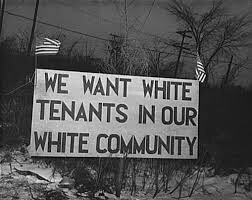
Housing was another major challenge for Black American migrants during the Great Migration. The sudden influx of Black residents into predominantly white neighborhoods created tension and resistance. White homeowners often resisted the presence of Black families, fearing that property values would decline or that their neighborhoods would undergo undesirable changes.

23/

#BlackMastodon #Histodons #History #StillWeRise #BlackHistory
#WasingtonDC #MarchOnWashington #MLK

As a result, Black migrants faced housing discrimination and segregation, being confined to certain areas within cities. This led to the creation of racially segregated neighborhoods and limited access to quality housing options. The lack of suitable housing further exacerbated socioeconomic disparities and hindered the ability of African Americans to improve their living conditions.

24/

#BlackMastodon #Histodons #History #StillWeRise #BlackHistory
#WasingtonDC #MarchOnWashington #MLK

In essence, the job and housing competition between whites and the Black Great Migration stemmed from a combination of economic concerns, racial prejudices, and systemic inequalities. These challenges underscored the need for comprehensive civil rights reforms to address not only overt segregation and discrimination but also the underlying economic disparities that perpetuated these issues.

25/

#BlackMastodon #Histodons #History #StillWeRise #BlackHistory
#WasingtonDC #MarchOnWashington #MLK

The struggles faced by Black American migrants contributed to the broader narrative of the civil rights movement and the demand for equal rights and opportunities.

26/

#BlackMastodon #Histodons #History #StillWeRise #BlackHistory
#WasingtonDC #MarchOnWashington #MLK

This is the end of Part 1 of a 4 part series of threads on the March on Washington. In part 2, we’ll look at 2 other interconnected elements that led to the March on Washington: the NAACP founding mission of challenging segregation and discrimination (particularly through legal avenues); and the Harlem renaissance, which inspired people to embrace Black history, identity, and culture,

27/

#BlackMastodon #Histodons #History #StillWeRise #BlackHistory
#WasingtonDC #MarchOnWashington #MLK

The 1963 March on Washington

On August 28, 1963, about 260,000 people participated in the March on Washington, when Dr. Martin Luther King, Jr. delivered his exalted “I Have a Dream” speech

NAACP

Books

Anderson, Jervis. *A. Philip Randolph: A Biographical Portrait.* New York: Harcourt, Brace, Jovanovich, 1973.

Bates, Beth Tompkins. *Pullman Porters and the Rise of Protest Politics in Black America, 1925–1945.* Chapel Hill, NC: University of North Carolina Press, 2001.

Davis, Daniel S. *Mr. Black Labor: The Story of A. Philip Randolph, Father of the Civil Rights Movement.* New York: Dutton, 1972.

29/

#BlackMastodon #Histodons #History #BlackHistory
#WasingtonDC #MarchOnWashington

More Books

Harris, William H. *Keeping the Faith: A. Philip Randolph, Milton P. Webster, and the Brotherhood of Sleeping Car Porters, 1925–37.* Urbana, IL: University of Illinois Press, 1977.

Hughes, Lyn. *An Anthology of Respect: The Pullman Porters National Historic Registry of African American Railroad Employees.* Chicago: Hughes Peterson Publishing, 2007.

30/

#BlackMastodon #Histodons #History #StillWeRise #BlackHistory
#WasingtonDC #MarchOnWashington #MLK

Still More

Kersten, Andrew E. *A. Philip Randolph: A Life in the Vanguard.* Rowman and Littlefield, 2006.

Kersten, Andrew E., and Clarence Lang, eds. *Reframing Randolph: Labor, Black Freedom, and the Legacies of A. Philip Randolph.* New York: New York University Press, 2015.

Pfeffer, Paula F.A. *Philip Randolph: Pioneer of the Civil Rights Movement.* Baton Rouge, LA: Louisiana State University Press, 1990.

31/

#BlackMastodon #Histodons #History #StillWeRise #BlackHistory
#WasingtonDC #MLK

And More

Santino, Jack. *Miles of Smiles, Years of Struggle: Stories of Black Pullman Porters.* Urbana, IL: University of Illinois Press, 1989.

Tye, Larry. *Rising from the Rails: Pullman Porters and the Making of the Black Middle Class.* New York: Macmillan, 2005.

32/

#BlackMastodon #Histodons #History #StillWeRise #BlackHistory
#WasingtonDC #MarchOnWashington #MLKday

Chapters in Edited Books

Arnesen, Eric. "Black Protest and the Great Migration: A Brief History with Documents." In *The Great Migration: A Historical Encyclopedia of the American Mosaic,* edited by Steven A. Reich. 2014.

Baldwin, Davarian L. "Chicago's New Negroes: Modernity, the Great Migration, & Black Urban Life." In The Great Migration in Historical Perspective, Ed. Joe William Trotter. Indiana University Press, 1991.

33/

#BlackMastodon #Histodons #History #BlackHistory
#WasingtonDC

@Deglassco thank you for the great history lesson! Looking forward to the rest.

@Deglassco worth remembering that when management began importing Filipinos in an attempt to break the union, A. Philip Randolph took the opportunity to organize the newly arrived Filipino workers and integrate them into the union.

Other labor unions would have seen immigrants as a threat. A. Philip Randolph saw them as fellow workers. As a Filipino immigrant, I have always respected A. Philip Randolph for that

@ouij @Deglassco
You might be interested in this (although possibly only available in Canada):

https://gem.cbc.ca/the-porter

The Porter | Shows | CBC Gem

In the early 1920s in St. Antoine, Montreal, train porters Junior Massey and Zeke Garret, and their families, colleagues, and community pursue diverging paths to a better life (Inspired by history).