
Modern TVs have dimming features that can adjust backlight power in specific parts of the screen, sometimes even at the individual pixel level.

We wanted to see whether adapting BBC content could make use of these features and reduce energy consumption.

https://www.bbc.co.uk/rd/blog/2023-08-sustainability-energy-saving-radio-tv-led-graphics

#sustainability #television #technology #tech #broadcasting #LED #OLED #FALD
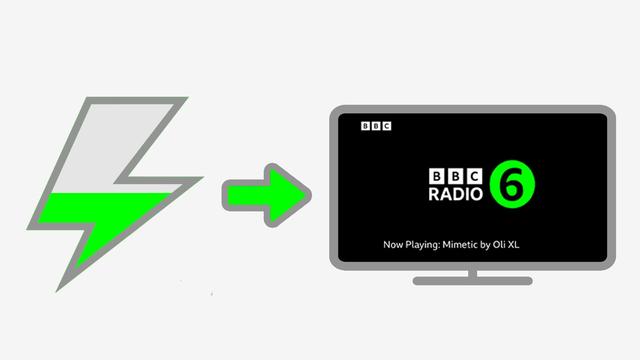
Introducing the energy saving concept of Lower Carbon Graphics

Developing and implementing a new idea which we believe has already saved energy in homes across the UK.

BBC R&D
@BBCRD This is honestly a really good idea and a lens that not many people approach building for the web with. Websites and apps have a carbon footprint and you can mitigate some of it with this kind of thinking. Also the idea of web optimization and how fast your site is factors into how wasteful your site might be.
@jbwharris @BBCRD they also should drop all the JS and not display videos in the browser (AVI/MP4 download then local mplayer does that in about 5% of the CPU cost). And drop antifeatures like advertising, which also costs CPU cycles and bandwidth.
@mirabilos @jbwharris @BBCRD and also CSS transforms (a moving background image can just kill old PCs)

@roytam1 @jbwharris @BBCRD even not-so-old PCs.

And any kind of remote desktop connections get unusable if a website does that crap.

@mirabilos @jbwharris @BBCRD yeah. one-off CSS transform can be fine, but combining CSS transitions and/or CSS animations will be a performance killer.