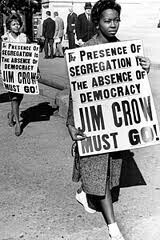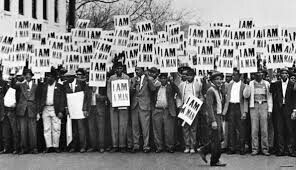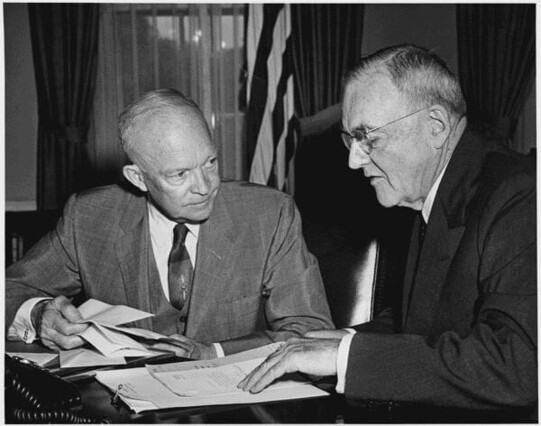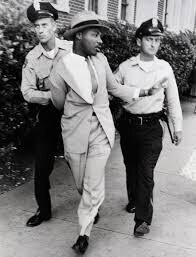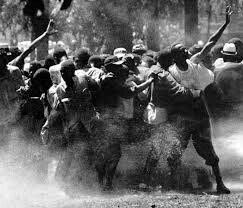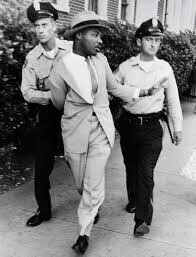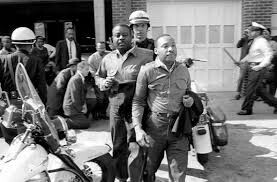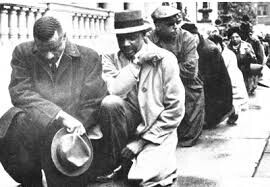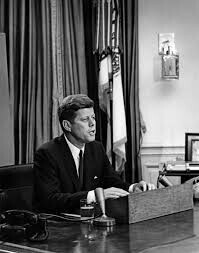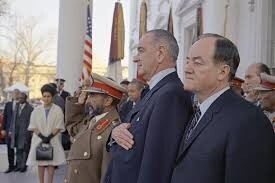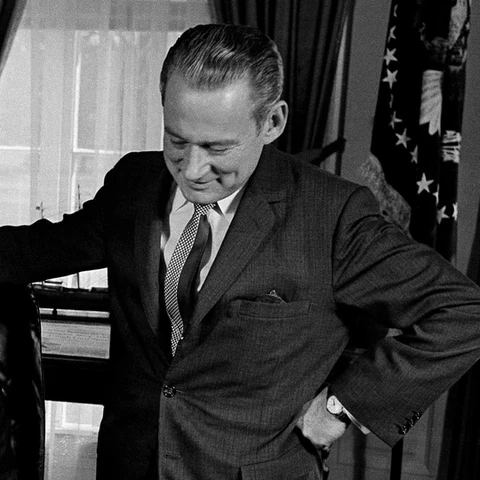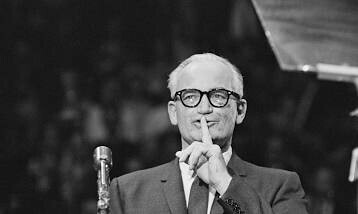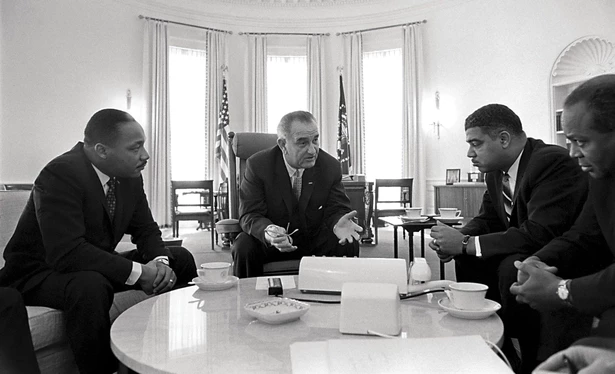
59 years ago, Pres. Johnson signed the 1964 Civil Rights Act, shaping America as we know it today. 60 years ago, everyday activities like dining, hotels, & public trans were pockmarked by segregation & discrimination. This Act is the most comprehensive civil rights legislation since Reconstruction, & we owe it all to the tireless efforts of ordinary citizens in the American civil rights movement.

1/39

#StillWeRise #BlackHistory #BlackMastodon
#Histodons #History
@[email protected] @BlackMastodon
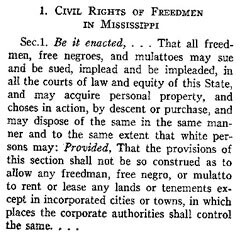
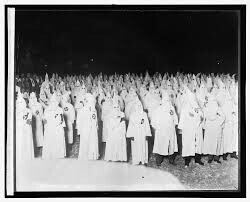
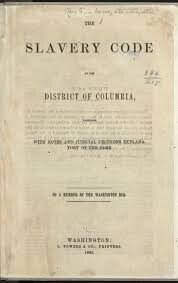
After the Civil War, a series of constitutional amendments were enacted. The 13th abolished slavery, the 14th granted citizenship to formerly enslaved, and the 15th ensured the right to vote for all men regardless of race. However, numerous states employed tactics like poll taxes, literacy tests, to disenfranchise Black citizens. They also enforced strict segregation through "Jim Crow" laws and tolerated violence the KKK.

2/39

#StillWeRise #BlackHistory
#BlackMastodon
#Histodons #History

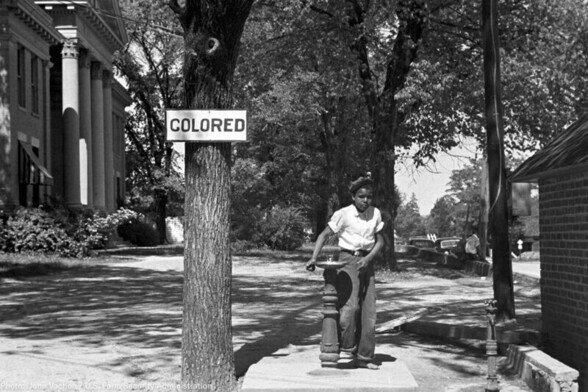
Following Reconstruction, the U.S. Congress did not pass any civil rights acts for several decades. Much of the South was characterized by "Jim Crow" laws, which legally enforced racial segregation. These laws relegated African Americans to the back of buses and mandated separate facilities for drinking, restrooms, and dining areas.

4/39

#StillWeRise #BlackHistory
#BlackMastodon
#Histodons #History

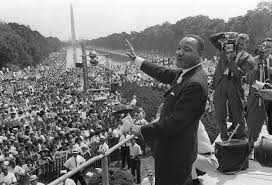
The Supreme Court's landmark 1954 ruling in Brown v. Board of Education, which declared racially segregated public schools unconstitutional, sparked the civil rights movement's efforts for desegregation and equal rights. Eventually, in 1957, it established a civil rights section within the Justice Department and a Commission on Civil Rights to investigate discriminatory conditions.

5/39

#StillWeRise #BlackHistory
#BlackMastodon
#Histodons #History

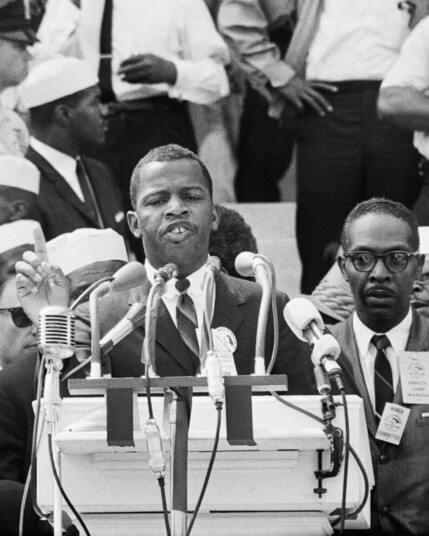
Three years later, Congress introduced bills allowing court-appointed referees to assist Black people in registering to vote. However, both of these bills were significantly weakened to overcome opposition from the southern states. The nation was deeply disturbed by the severe treatment of peaceful demonstrators across the Southern states.
This outcry led to the introduction of civil rights laws in 1957 and 1960.

6/39

#StillWeRise #BlackHistory
#BlackMastodon
#Histodons #History

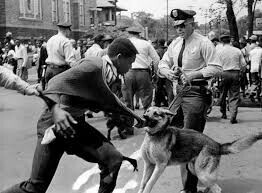
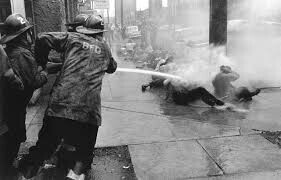
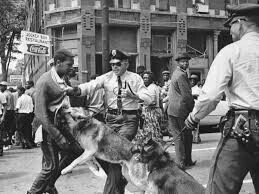
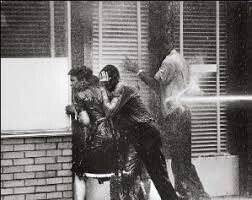
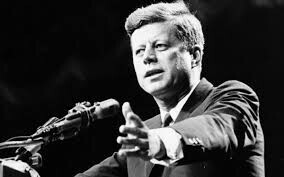
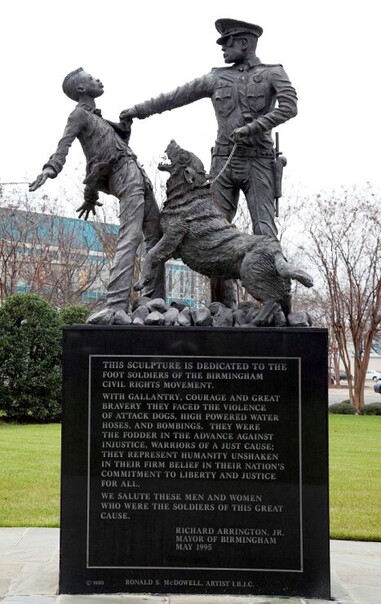
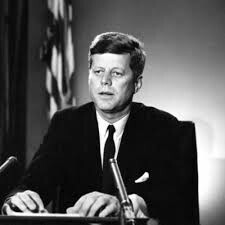
Upon entering the White House in 1961, President John F. Kennedy initially hesitated to endorse further anti-discrimination measures. Nevertheless, as protests erupted throughout the South, notably in Birmingham, Alabama, where police brutally suppressed nonviolent demonstrators using dogs, clubs, and high-pressure fire hoses, Kennedy felt compelled to take action.

7/39

#StillWeRise #BlackHistory
#BlackMastodon
#Histodons #History

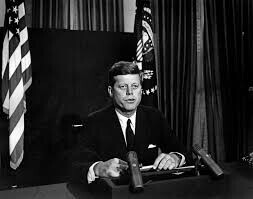
The Kennedy administration witnessed the beginning of significant events such as sit-ins at Southern lunch counters, freedom rides to integrate interstate transportation, and the notable demonstrations led by Dr. Martin Luther King and the Southern Christian Leadership Conference in Birmingham during the spring of 1963.

8/39

#StillWeRise #BlackHistory
#BlackMastodon
#Histodons #History

These demonstrations were met with brutal police tactics including the use of police dogs and high-pressure fire hoses, causing them to be knocked to the ground and stripped of their clothing. These distressing images, depicting such violence in the "land of the free and home of the brave," were broadcasted worldwide via national television and other media outlets, appearing on front pages of newspapers globally.

9/39

#StillWeRise #BlackHistory
#BlackMastodon
#Histodons #History

The impact was profound, shocking President Kennedy & the entire country. Kennedy recognized the situation tarnished America's reputation in the Cold War and was deeply disturbed by how the Soviets exploited it. Even those who resided outside the South were greatly affected. These events stirred the conscience of righteous individuals worldwide and were widely believed to be the catalyst for legislative action.

10/39

#StillWeRise #BlackHistory
#BlackMastodon
#Histodons #History

President Kennedy had reservations about advancing civil rights legislation in his first term because he anticipated the possibility of serving a second term, during which he believed the bill would have a better chance. The Congress, particularly the Senate, was under the complete control of southern delegations who vehemently opposed integration.

12/39

#StillWeRise #BlackHistory
#BlackMastodon
#Histodons #History

While acknowledging the detrimental effects of segregation, Kennedy exercised caution in not rushing the process. He also sought support for other initiatives, including a tax cut, foreign policy endeavors, the space race, the Peace Corps, and programs aimed at income redistribution to alleviate poverty. He was reluctant to risk jeopardizing these liberal programs by giving Southerners a reason to oppose him on civil rights.

13/39

#StillWeRise #BlackHistory
#BlackMastodon
#Histodons #History

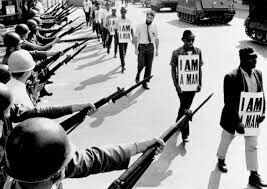
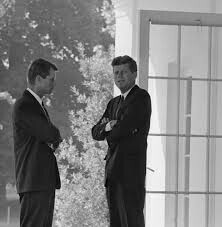
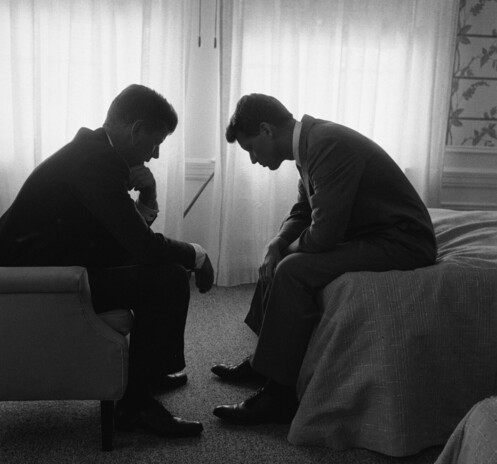
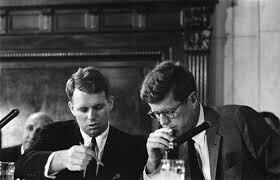
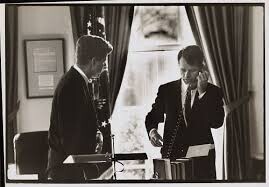
Ultimately, Kennedy's hand was forced due to the escalating civil rights demonstrations nationwide, which triggered violent reactions from both southern officials and ordinary citizens in the South. To quell the unrest, Kennedy and his brother, Attorney General Robert Kennedy, realized that proposing a new law to end discrimination would be their best chance to suppress the protests.

13/39

#StillWeRise #BlackHistory
#BlackMastodon
#Histodons #History

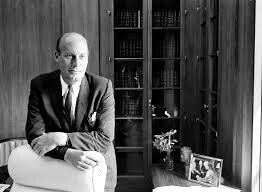
Nicholas Katzenbach, the deputy attorney general at the time, believed that some members of Congress supported the passage of the law not purely out of idealism, but as a practical measure to restore calm and put an end to the demonstrations. These protests persisted throughout the 1960s and eventually escalated into riots by the end of the decade.

14/39

#StillWeRise #BlackHistory
#BlackMastodon
#Histodons #History

The March on Washington was the trigger for legislative action, as civil rights organizers were determined to compel Kennedy to propose reforms. During the planning phase of the March, both President Kennedy & Bobby Kennedy expressed great concern. They dreaded the possibility of violence erupting in the streets of Washington, D.C. It was their worst nightmare to witness scenes of violence unfolding during the event.
15/39

#StillWeRise #BlackHistory
#BlackMastodon
#Histodons #History

The Kennedys were adamant about avoiding a march that seemed like an invasion, particularly one that would take place inside the Capitol or its hallways. They were also cautious about extreme pressure from protesters invading the offices of otherwise persuadable senators and congressmen, as it could potentially alienate them.

16/39

#StillWeRise #BlackHistory
#BlackMastodon
#Histodons #History

To address these concerns, they took charge of the aspects of the organization that involved government entities, police, and the military. They aimed to ensure the event could be run efficiently and effectively, guaranteeing its success. When their attempts to postpone or obstruct the March failed, they shifted their focus towards making it a significant success, which it indeed turned out to be.

17/39

#StillWeRise #BlackHistory
#BlackMastodon
#Histodons #History

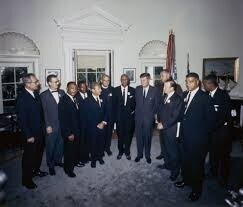
In a tv address on June 6, 1963, Kennedy called on the nation to take decisive steps to ensure equal treatment for every American, regardless of race. Shortly after, Kennedy put forth a proposal to Congress, urging them to consider civil rights legislation that would encompass various aspects such as voting rights, desegregation of schools, public accommodations, nondiscrimination in federally assisted programs, and more.

18/39

#StillWeRise #BlackHistory
#BlackMastodon
#Histodons #History

In Birmingham police's response to a peaceful desegregation demonstration in May 1963 outraged. Their use of fire hoses & dogs to disperse demonstrators prompted President Kennedy to deliver a speech on June 12, where he introduced the Civil Rights Act. He posed the crucial question, "Are we to say to the world, and much more importantly, to each other, that this is the land of the free except for the Negroes?”

19/39

#StillWeRise #BlackHistory
#BlackMastodon
#Histodons #History

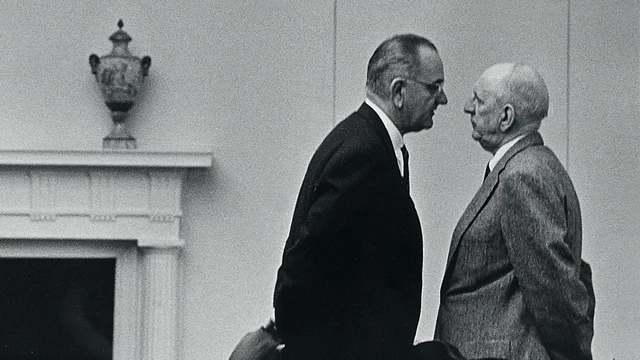
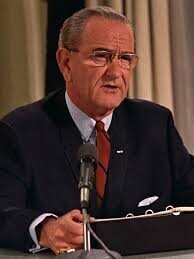
Following President Kennedy's assassination in November 1963 in Dallas, his successor, President Lyndon B. Johnson, swiftly embraced the cause of civil rights. In his inaugural State of the Union address, Johnson declared, "Let this session of Congress be known as the session that accomplished more for civil rights than the last hundred sessions combined."

20/39

#StillWeRise #BlackHistory
#BlackMastodon
#Histodons #History

However, the path to passing the Civil Rights Act was challenging. Opponents, particularly in the House of

Representatives, used various arguments, including claims of unconstitutional infringement on individual liberties and states' rights, to block the bill's progress. The bill became entangled in the House Rules Committee due to opposition within the House.

21/39

#StillWeRise #BlackHistory
#BlackMastodon
#Histodons #History

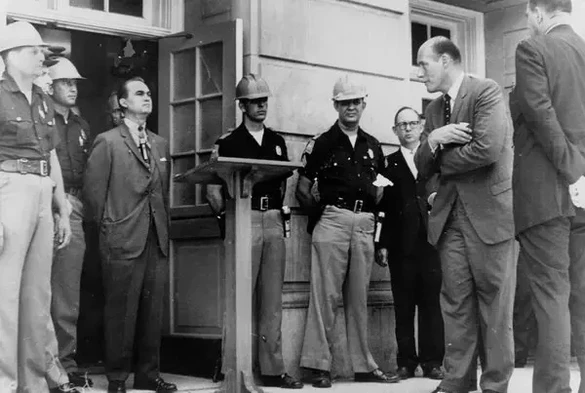
In 1964, opponents of the Civil Rights Act contended that it flagrantly violated the freedom of every American to associate, do business, and even dine with whomever they chose. Southern Democrats, known as Dixiecrats, portrayed the legislation as an assault on the "southern way of life" and evidence of the federal government's intention to impose racial integration on the South.

22/39

#StillWeRise #BlackHistory
#BlackMastodon
#Histodons #History

The notion of a civil rights act revived long-standing resentments among segregationists, who, just a decade earlier, had initiated the "massive resistance" movement to impede the implementation of the Supreme Court's Brown v. Board of Education decision, which ended legal segregation in public schools.

23/39

#StillWeRise #BlackHistory
#BlackMastodon
#Histodons #History

More than 100 other hostile amendments attached to the Act had to be defeated. Eventually, the House approved the bill with bipartisan support, garnering a vote of 290-130. Although the House passed the bill on February 10, 1964, after 70 days of public hearings and testimony from over 275 witnesses, a filibuster in the Senate prevented the final vote from taking place.

24/39

#StillWeRise #BlackHistory
#BlackMastodon
#Histodons #History

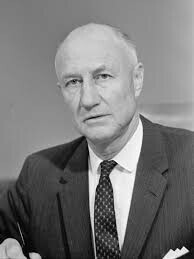
Strom Thurmond employed rhetoric of the Confederate era to lead a historic filibuster and block the Act. He spoke 24 hrs on the Senate floor, arguing that the federal gov was trespassing on the affairs of states & interfering in the lives of free citizens. Democrats carried out a filibuster for 75 days, the longest in U.S. history. Senator Robert Byrd of WV, spoke for over 14 consecutive hours during this effort.

25/39

#StillWeRise #BlackHistory
#BlackMastodon
#Histodons #History

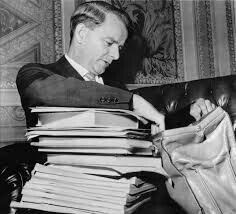
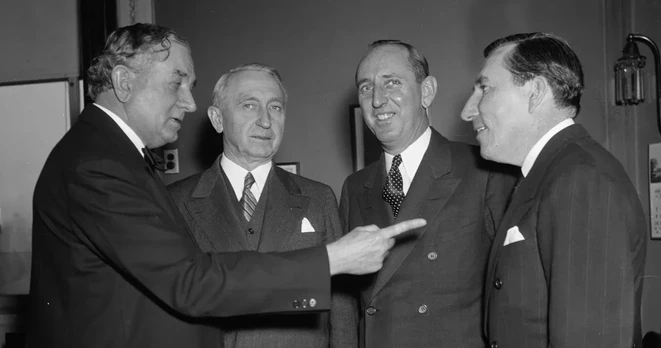
However, the Senate filibuster was eventually overcome through the leadership of Senator Hubert Humphrey of Minnesota, the strong support of President Lyndon Johnson, and the efforts of Senate Minority Leader Everett Dirksen of Illinois. Dirksen successfully persuaded enough Republicans to support the bill, surpassing the opposition from fellow Democrats.

26/39

#StillWeRise #BlackHistory
#BlackMastodon
#Histodons #History

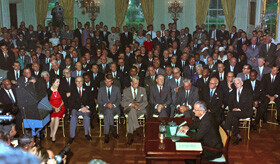
Through behind-the-scenes negotiations, the bill's proponents managed to secure the two-thirds votes required to end the debate. Notably, Senator Clair Engle of California, who was too ill to speak, indicated his support for the bill by pointing to his own eye. When the compromised version of the bill was finally put to a vote in the Senate, it passed with a vote of 73 to 27. Applause broke out in the Senate galleries.

27/39

#StillWeRise #BlackHistory
#BlackMastodon
#Histodons #History

This marked a significant reshaping of the nation's racial and political landscape. Sen Barry Goldwater, who voted against the Civil Rights Act, made it a central theme of his 1964 presidential campaign for the Republican Party. Sen Thurmond, once a Democrat, showed his political solidarity by endorsing Goldwater. Thurmond also encouraged southern Democrats to leave their party and join Goldwater & the Republicans.

28/39

#StillWeRise #BlackHistory
#BlackMastodon
#Histodons #History

Johnson, a Democrat told an aide that he believed they had effectively handed the South to the Republican Party for the future. This prediction largely turned out to be true, as it marked the initial step towards the Republicans establishing firm political control over the South. Since 1964, the GOP has consistently relied on the South as its electoral base, supporting every Republican president in the past 5 decades.

29/39

#StillWeRise #BlackHistory
#BlackMastodon
#Histodons #History

@Deglassco

Republicans in the South would rather keep their racism than anything else.

These are things sacrificed to keep racism
1. Universal health care
2. Inexpensive college educations
3. International standing
4. Public education & health
5. Climate action
6. Voting rights
7. Reproductive rights
8. Financial stability
9. Economic growth
10. Reputational damage
11. Gun safety legislation
12. Democracy

@Npars01 @Deglassco
The greatest irony is that #Evangelicals are willing to sacrifice everything in *this* life in hopes of the "eternal life" The Bible promises them.

…AND YET, they cling to their guns out of fear of dying at the hands of anything/everything that frightens them. They seek to DESTROY any & all they deem "immoral" that threatens the comfortable *life* they've imagined their life on Earth is *supposed* to be… despite living every day pining for the day they'll die. 🤔