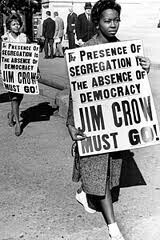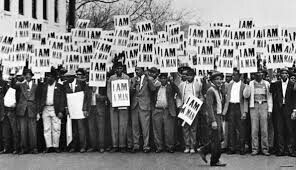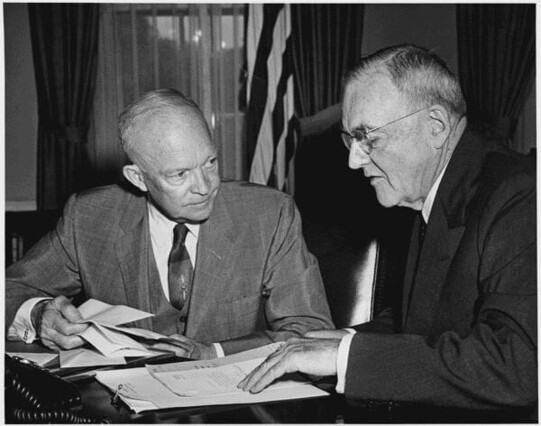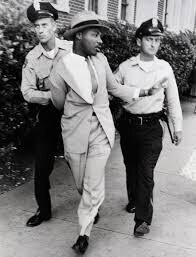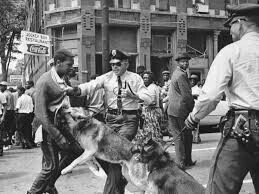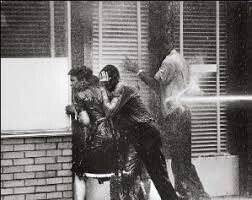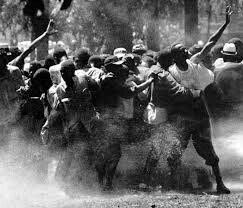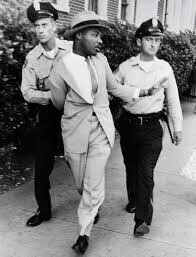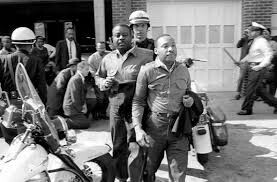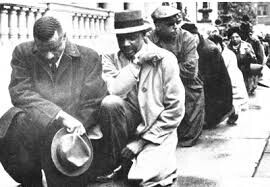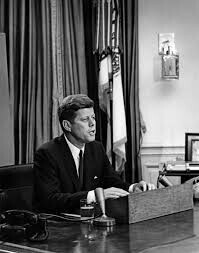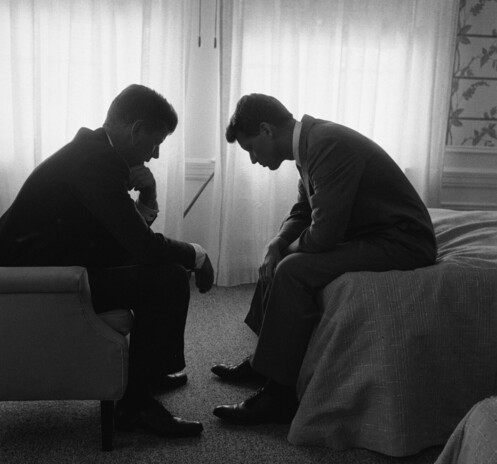
59 years ago, Pres. Johnson signed the 1964 Civil Rights Act, shaping America as we know it today. 60 years ago, everyday activities like dining, hotels, & public trans were pockmarked by segregation & discrimination. This Act is the most comprehensive civil rights legislation since Reconstruction, & we owe it all to the tireless efforts of ordinary citizens in the American civil rights movement.

1/39

#StillWeRise #BlackHistory #BlackMastodon
#Histodons #History
@[email protected] @BlackMastodon
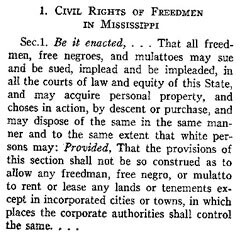
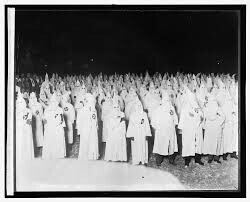
After the Civil War, a series of constitutional amendments were enacted. The 13th abolished slavery, the 14th granted citizenship to formerly enslaved, and the 15th ensured the right to vote for all men regardless of race. However, numerous states employed tactics like poll taxes, literacy tests, to disenfranchise Black citizens. They also enforced strict segregation through "Jim Crow" laws and tolerated violence the KKK.

2/39

#StillWeRise #BlackHistory
#BlackMastodon
#Histodons #History

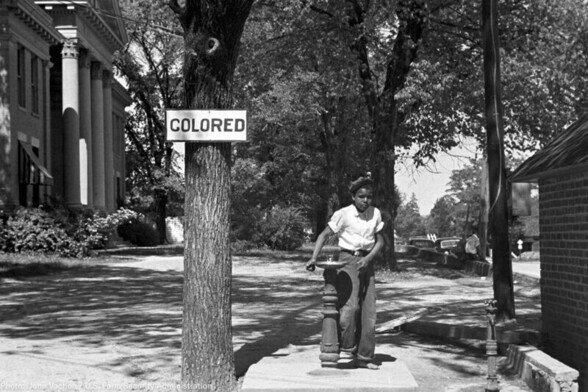
Following Reconstruction, the U.S. Congress did not pass any civil rights acts for several decades. Much of the South was characterized by "Jim Crow" laws, which legally enforced racial segregation. These laws relegated African Americans to the back of buses and mandated separate facilities for drinking, restrooms, and dining areas.

4/39

#StillWeRise #BlackHistory
#BlackMastodon
#Histodons #History

The Supreme Court's landmark 1954 ruling in Brown v. Board of Education, which declared racially segregated public schools unconstitutional, sparked the civil rights movement's efforts for desegregation and equal rights. Eventually, in 1957, it established a civil rights section within the Justice Department and a Commission on Civil Rights to investigate discriminatory conditions.

5/39

#StillWeRise #BlackHistory
#BlackMastodon
#Histodons #History

Three years later, Congress introduced bills allowing court-appointed referees to assist Black people in registering to vote. However, both of these bills were significantly weakened to overcome opposition from the southern states. The nation was deeply disturbed by the severe treatment of peaceful demonstrators across the Southern states.
This outcry led to the introduction of civil rights laws in 1957 and 1960.

6/39

#StillWeRise #BlackHistory
#BlackMastodon
#Histodons #History

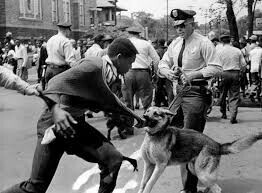
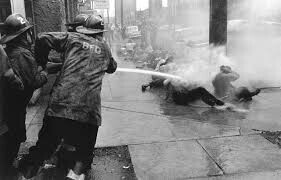
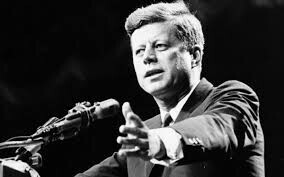
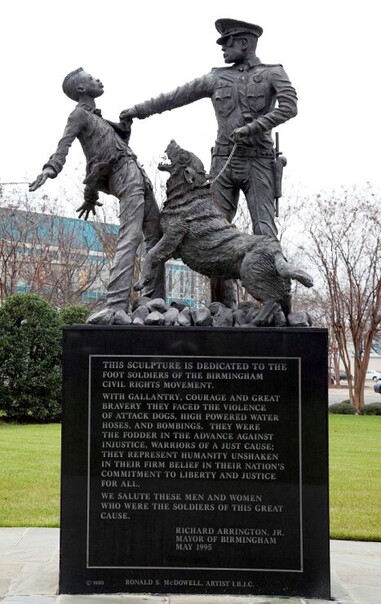
Upon entering the White House in 1961, President John F. Kennedy initially hesitated to endorse further anti-discrimination measures. Nevertheless, as protests erupted throughout the South, notably in Birmingham, Alabama, where police brutally suppressed nonviolent demonstrators using dogs, clubs, and high-pressure fire hoses, Kennedy felt compelled to take action.

7/39

#StillWeRise #BlackHistory
#BlackMastodon
#Histodons #History

The Kennedy administration witnessed the beginning of significant events such as sit-ins at Southern lunch counters, freedom rides to integrate interstate transportation, and the notable demonstrations led by Dr. Martin Luther King and the Southern Christian Leadership Conference in Birmingham during the spring of 1963.

8/39

#StillWeRise #BlackHistory
#BlackMastodon
#Histodons #History

These demonstrations were met with brutal police tactics including the use of police dogs and high-pressure fire hoses, causing them to be knocked to the ground and stripped of their clothing. These distressing images, depicting such violence in the "land of the free and home of the brave," were broadcasted worldwide via national television and other media outlets, appearing on front pages of newspapers globally.

9/39

#StillWeRise #BlackHistory
#BlackMastodon
#Histodons #History

The impact was profound, shocking President Kennedy & the entire country. Kennedy recognized the situation tarnished America's reputation in the Cold War and was deeply disturbed by how the Soviets exploited it. Even those who resided outside the South were greatly affected. These events stirred the conscience of righteous individuals worldwide and were widely believed to be the catalyst for legislative action.

10/39

#StillWeRise #BlackHistory
#BlackMastodon
#Histodons #History

President Kennedy had reservations about advancing civil rights legislation in his first term because he anticipated the possibility of serving a second term, during which he believed the bill would have a better chance. The Congress, particularly the Senate, was under the complete control of southern delegations who vehemently opposed integration.

12/39

#StillWeRise #BlackHistory
#BlackMastodon
#Histodons #History

While acknowledging the detrimental effects of segregation, Kennedy exercised caution in not rushing the process. He also sought support for other initiatives, including a tax cut, foreign policy endeavors, the space race, the Peace Corps, and programs aimed at income redistribution to alleviate poverty. He was reluctant to risk jeopardizing these liberal programs by giving Southerners a reason to oppose him on civil rights.

13/39

#StillWeRise #BlackHistory
#BlackMastodon
#Histodons #History

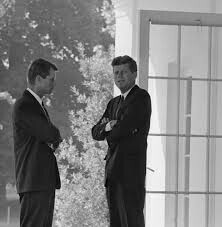
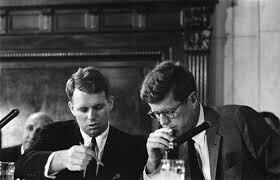
Ultimately, Kennedy's hand was forced due to the escalating civil rights demonstrations nationwide, which triggered violent reactions from both southern officials and ordinary citizens in the South. To quell the unrest, Kennedy and his brother, Attorney General Robert Kennedy, realized that proposing a new law to end discrimination would be their best chance to suppress the protests.

13/39

#StillWeRise #BlackHistory
#BlackMastodon

#Histodons #History

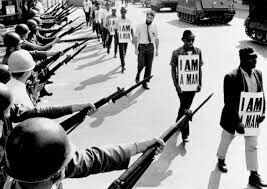
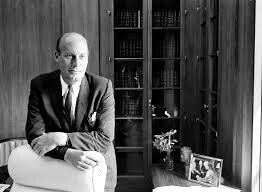
Nicholas Katzenbach, the deputy attorney general at the time, believed that some members of Congress supported the passage of the law not purely out of idealism, but as a practical measure to restore calm and put an end to the demonstrations. These protests persisted throughout the 1960s and eventually escalated into riots by the end of the decade.

14/39

#StillWeRise #BlackHistory
#BlackMastodon
#Histodons #History

The March on Washington was the trigger for legislative action, as civil rights organizers were determined to compel Kennedy to propose reforms. During the planning phase of the March, both President Kennedy & Bobby Kennedy expressed great concern. They dreaded the possibility of violence erupting in the streets of Washington, D.C. It was their worst nightmare to witness scenes of violence unfolding during the event.

15/39

#StillWeRise #BlackHistory
#BlackMastodon
#Histodons #History

The Kennedys were adamant about avoiding a march that seemed like an invasion, particularly one that would take place inside the Capitol or its hallways. They were also cautious about extreme pressure from protesters invading the offices of otherwise persuadable senators and congressmen, as it could potentially alienate them.

16/39

#StillWeRise #BlackHistory
#BlackMastodon
#Histodons #History

To address these concerns, they took charge of the aspects of the organization that involved government entities, police, and the military. They aimed to ensure the event could be run efficiently and effectively, guaranteeing its success. When their attempts to postpone or obstruct the March failed, they shifted their focus towards making it a significant success, which it indeed turned out to be.

17/39

#StillWeRise #BlackHistory
#BlackMastodon
#Histodons #History

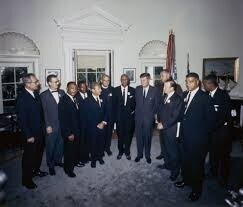
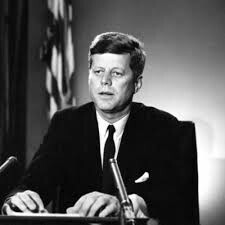
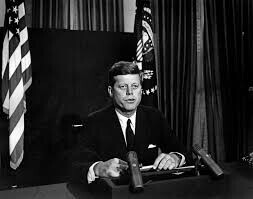
In a tv address on June 6, 1963, Kennedy called on the nation to take decisive steps to ensure equal treatment for every American, regardless of race. Shortly after, Kennedy put forth a proposal to Congress, urging them to consider civil rights legislation that would encompass various aspects such as voting rights, desegregation of schools, public accommodations, nondiscrimination in federally assisted programs, and more.

18/39

#StillWeRise #BlackHistory
#BlackMastodon
#Histodons #History

In Birmingham police's response to a peaceful desegregation demonstration in May 1963 outraged. Their use of fire hoses & dogs to disperse demonstrators prompted President Kennedy to deliver a speech on June 12, where he introduced the Civil Rights Act. He posed the crucial question, "Are we to say to the world, and much more importantly, to each other, that this is the land of the free except for the Negroes?”

19/39

#StillWeRise #BlackHistory
#BlackMastodon
#Histodons #History

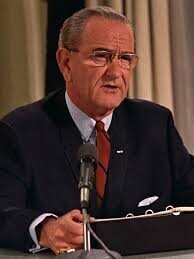
Following President Kennedy's assassination in November 1963 in Dallas, his successor, President Lyndon B. Johnson, swiftly embraced the cause of civil rights. In his inaugural State of the Union address, Johnson declared, "Let this session of Congress be known as the session that accomplished more for civil rights than the last hundred sessions combined."

20/39

#StillWeRise #BlackHistory
#BlackMastodon
#Histodons #History

However, the path to passing the Civil Rights Act was challenging. Opponents, particularly in the House of

Representatives, used various arguments, including claims of unconstitutional infringement on individual liberties and states' rights, to block the bill's progress. The bill became entangled in the House Rules Committee due to opposition within the House.

21/39

#StillWeRise #BlackHistory
#BlackMastodon
#Histodons #History

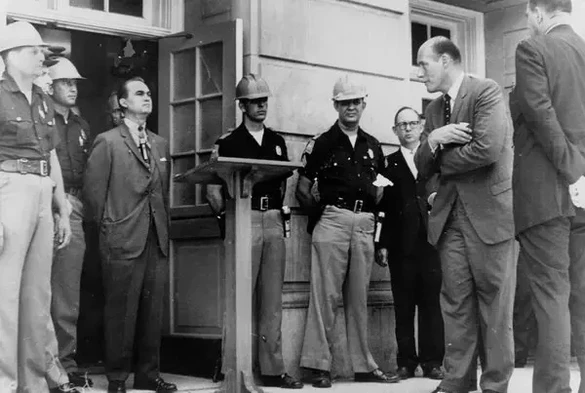
In 1964, opponents of the Civil Rights Act contended that it flagrantly violated the freedom of every American to associate, do business, and even dine with whomever they chose. Southern Democrats, known as Dixiecrats, portrayed the legislation as an assault on the "southern way of life" and evidence of the federal government's intention to impose racial integration on the South.

22/39

#StillWeRise #BlackHistory
#BlackMastodon
#Histodons #History

The notion of a civil rights act revived long-standing resentments among segregationists, who, just a decade earlier, had initiated the "massive resistance" movement to impede the implementation of the Supreme Court's Brown v. Board of Education decision, which ended legal segregation in public schools.

23/39

#StillWeRise #BlackHistory
#BlackMastodon
#Histodons #History

@Deglassco If you pin hopes on actual solutions to problems arising from our corrupted and broken institutions, well...... here's a bridge🌉
@Daniel_Berky that’s one perspective on it for sure.
@Deglassco A salient and interesting point to remember. His confrontation with opposition to civil rights was arising from the Democrats and not the Republicans. History doesn't repeat. It Rhymes.
@Daniel_Berky certainly political parties—whether Republican or Democrat or Whig, or whatever---have been known to take advantage of instability for their own gain.
@Deglassco Yes all to often. And it's exacerbated when a society is engineered to be centred on 'Me, Myself & I" to the exclusion of any collective ideas.
@Deglassco So if a bunch of people were to forcibly enter the Capitol building for so-called political reasons, that might actually work against their cause? Reasonable people have no problem understanding that. Unfortunately not all are reasonable. Excellent work, Dr Glassco. I'm usually at work this time of day in a Monday, so I'm enjoying this today.
@Wolleysegap point taken. even with all of the calamity during those days, I don’t think they could have envisioned an insurrection such as we have had.
@Deglassco
the Children’s March! I show a documentary made by Teaching Tolerance about this to my 7th graders every year. It’s very impactful.
@Deglassco They didn't go nearly far enough. Structures that support minority rule--like the electoral college and the Senate--were left intact.
@marksquires I think they thought at the time, and now, that it is a work in progress. Unfortunately, we seem to be sliding backwards.
@Deglassco But doesn't it seem thoroughly predictable? They readmitted all the slave states by 1870 which then gave those states a powerful electoral group of votes, not to mention the US Senate representation scheme. What else was going to happen? It was a recipe for backsliding and further problems.