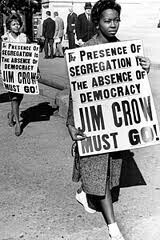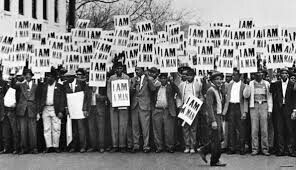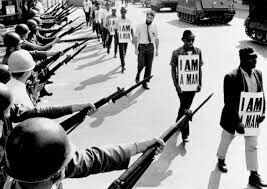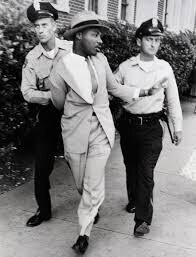
59 years ago, Pres. Johnson signed the 1964 Civil Rights Act, shaping America as we know it today. 60 years ago, everyday activities like dining, hotels, & public trans were pockmarked by segregation & discrimination. This Act is the most comprehensive civil rights legislation since Reconstruction, & we owe it all to the tireless efforts of ordinary citizens in the American civil rights movement.

1/39

#StillWeRise #BlackHistory #BlackMastodon
#Histodons #History
@[email protected] @BlackMastodon
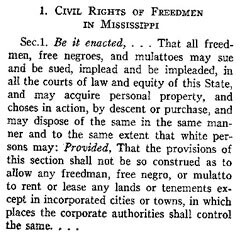
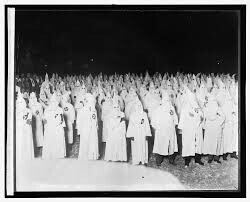
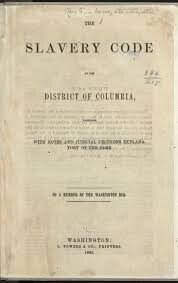
After the Civil War, a series of constitutional amendments were enacted. The 13th abolished slavery, the 14th granted citizenship to formerly enslaved, and the 15th ensured the right to vote for all men regardless of race. However, numerous states employed tactics like poll taxes, literacy tests, to disenfranchise Black citizens. They also enforced strict segregation through "Jim Crow" laws and tolerated violence the KKK.

2/39

#StillWeRise #BlackHistory
#BlackMastodon
#Histodons #History

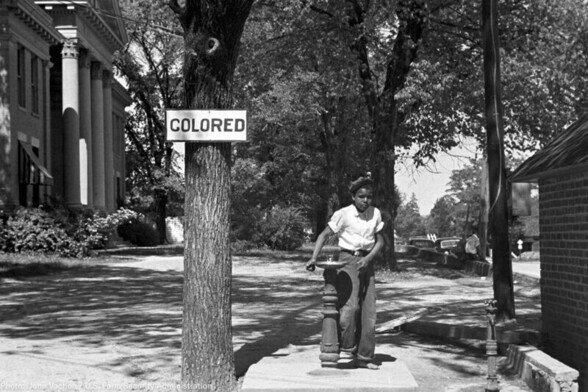
Following Reconstruction, the U.S. Congress did not pass any civil rights acts for several decades. Much of the South was characterized by "Jim Crow" laws, which legally enforced racial segregation. These laws relegated African Americans to the back of buses and mandated separate facilities for drinking, restrooms, and dining areas.

4/39

#StillWeRise #BlackHistory
#BlackMastodon
#Histodons #History

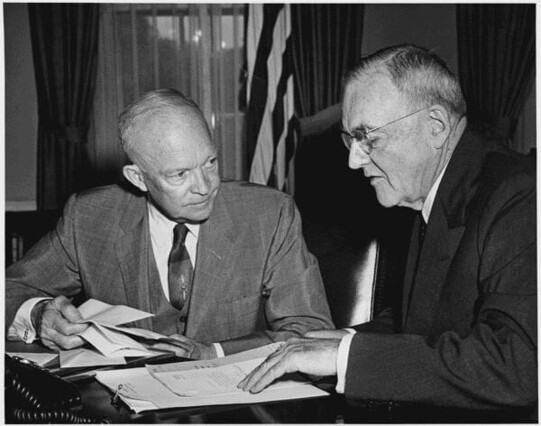
The Supreme Court's landmark 1954 ruling in Brown v. Board of Education, which declared racially segregated public schools unconstitutional, sparked the civil rights movement's efforts for desegregation and equal rights. Eventually, in 1957, it established a civil rights section within the Justice Department and a Commission on Civil Rights to investigate discriminatory conditions.

5/39

#StillWeRise #BlackHistory
#BlackMastodon
#Histodons #History

Three years later, Congress introduced bills allowing court-appointed referees to assist Black people in registering to vote. However, both of these bills were significantly weakened to overcome opposition from the southern states. The nation was deeply disturbed by the severe treatment of peaceful demonstrators across the Southern states.
This outcry led to the introduction of civil rights laws in 1957 and 1960.

6/39

#StillWeRise #BlackHistory
#BlackMastodon
#Histodons #History

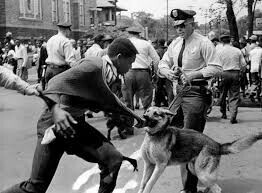
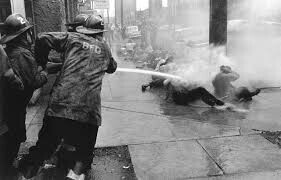
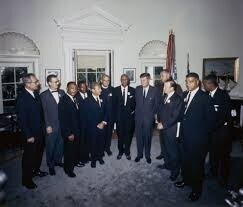
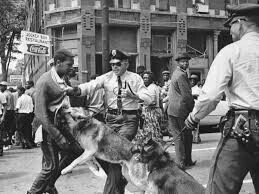
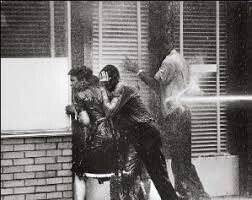
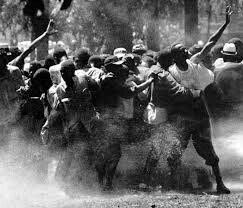
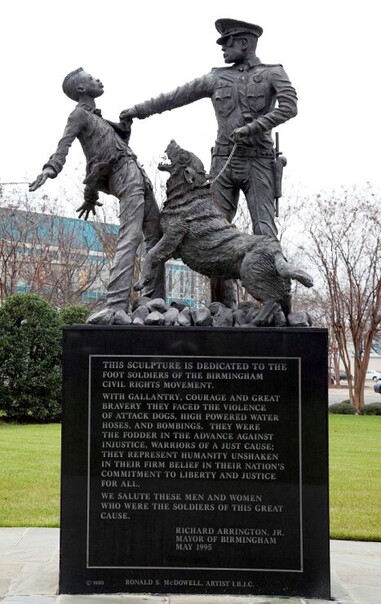
Upon entering the White House in 1961, President John F. Kennedy initially hesitated to endorse further anti-discrimination measures. Nevertheless, as protests erupted throughout the South, notably in Birmingham, Alabama, where police brutally suppressed nonviolent demonstrators using dogs, clubs, and high-pressure fire hoses, Kennedy felt compelled to take action.

7/39

#StillWeRise #BlackHistory
#BlackMastodon
#Histodons #History

The Kennedy administration witnessed the beginning of significant events such as sit-ins at Southern lunch counters, freedom rides to integrate interstate transportation, and the notable demonstrations led by Dr. Martin Luther King and the Southern Christian Leadership Conference in Birmingham during the spring of 1963.

8/39

#StillWeRise #BlackHistory
#BlackMastodon
#Histodons #History

These demonstrations were met with brutal police tactics including the use of police dogs and high-pressure fire hoses, causing them to be knocked to the ground and stripped of their clothing. These distressing images, depicting such violence in the "land of the free and home of the brave," were broadcasted worldwide via national television and other media outlets, appearing on front pages of newspapers globally.

9/39

#StillWeRise #BlackHistory
#BlackMastodon
#Histodons #History

@Deglassco
the Children’s March! I show a documentary made by Teaching Tolerance about this to my 7th graders every year. It’s very impactful.