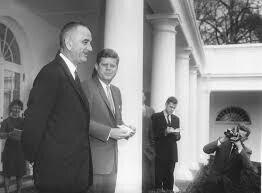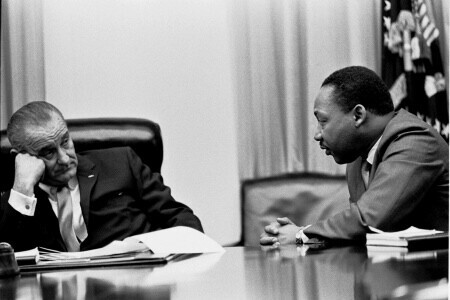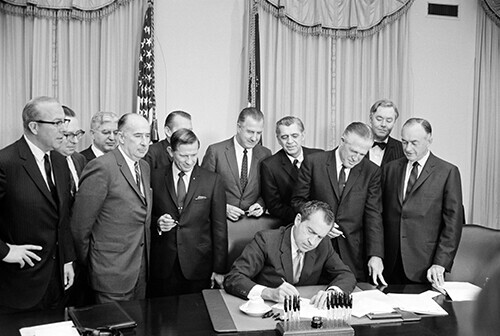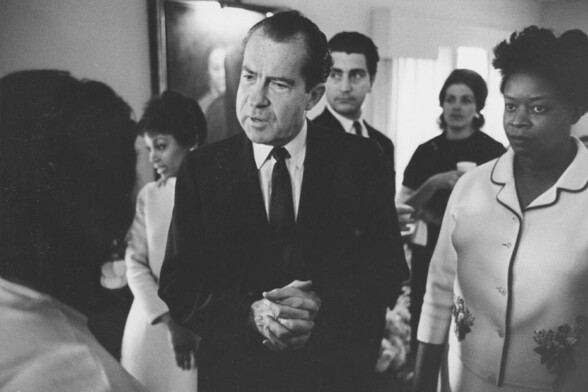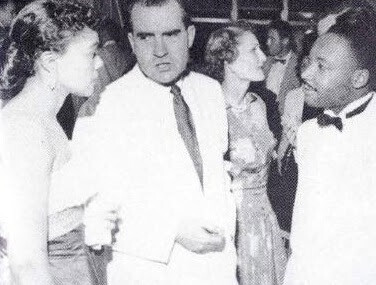
The history of Affirmative Action is rooted in a complex interplay of historical circumstances, executive orders, legislation, & court decisions. It was a response to racial inequalities faced by marginalized groups. It aimed to counteract discrimination & create a more diverse & inclusive society by implementing policies that provided additional support to underrepresented individuals. These are the facts.

1/34

#TeachHistory #BlackMastodon
#Histodons #History
@[email protected] @BlackMastodon
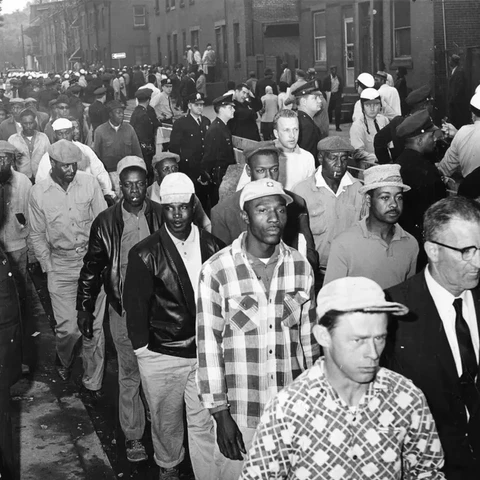
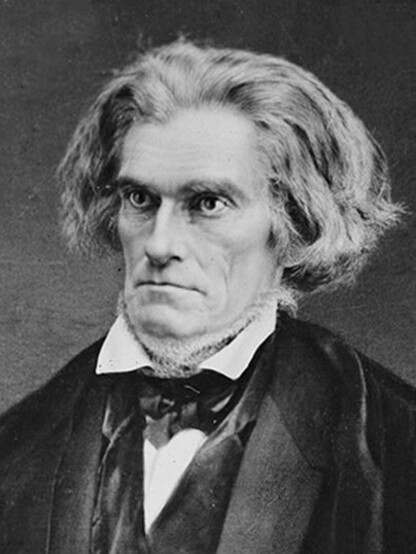
When abolitionists petitioned Congress to emancipate slaves, Senator John C. Calhoun objected, warning that “the next step would be to raise the Negroes to a social and political equality with whites; and that being effected, we would soon find the present condition of the two races reversed.” Black Americans would be masters and white people slaves.

2/34

#TeachHistory #BlackMastodon
#Histodons #History

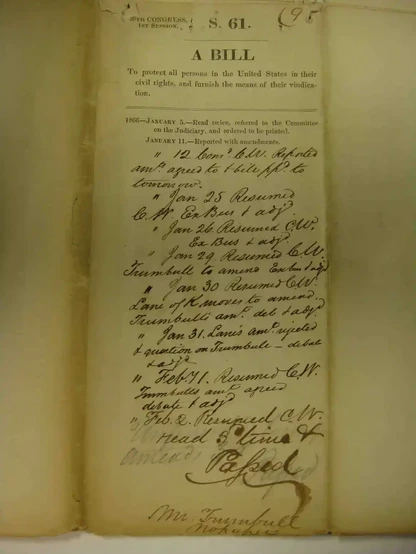
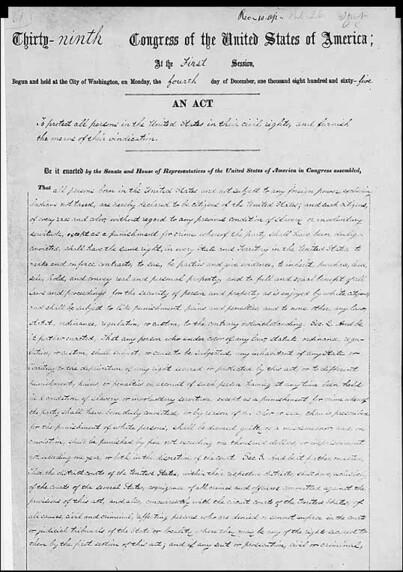
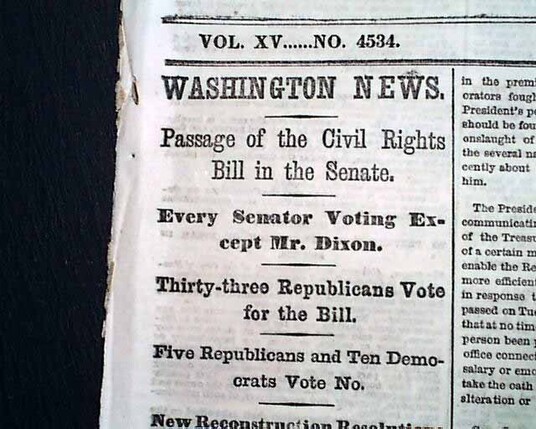
The Civil Rights Act of 1866 bestowed citizenship upon all persons born in the US & endowed all persons with the same rights as white people in terms of issuing contracts, owning property, suing or being sued or serving as witnesses. This law was proposed because SCOTUS ruled in Dred Scott v. Sanford that Black Americans were ineligible for federal citizenship, and b/c many states denied Black Americans the most basic rights.

3/34

#TeachHistory #BlackMastodon
#Histodons #History #blackfriday

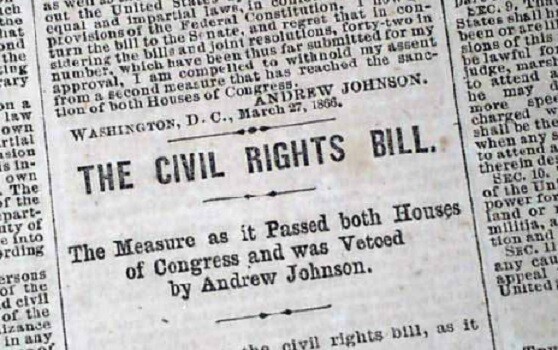
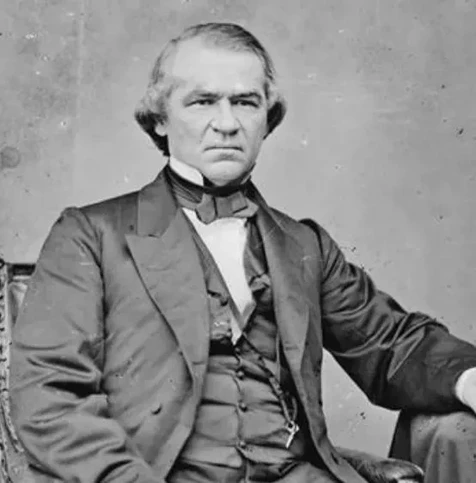
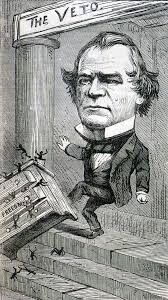
Johnson vetoed the Civil Rights Act of 1866 b/c to him, this amounted to “a discrimination against large numbers of intelligent, worthy & patriotic foreigners, and in favor of the Negro, to whom, after long years of bondage, the avenues to freedom and intelligence have just now been suddenly opened.” He also opposed the provision in the act affording federal protection to civil rights, b/c of “discriminating protection to colored persons.”

4/34

#TeachHistory #BlackMastodon
#Histodons #History

A key defect of the Civil Rights Act, according to Johnson, was that it established “for the security of the colored race safeguards which go infinitely beyond any that the general government has ever provided for the white race. In fact, the distinction of race and color is by the bill made to operate in favor of the colored and against the white race.”

5/34

#TeachHistory #BlackMastodon
#Histodons #History

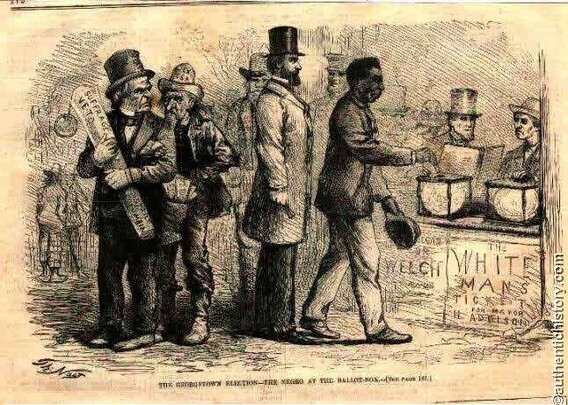
President Johnson also opposed as well the 14th Amendment, which decreed that states offer to all persons equal protection of the laws, a provision which he also saw as a wrongful venture in racial favoritism aimed at assisting the undeserving Negro.

6/34

#TeachHistory #BlackMastodon
#Histodons #History #AffirmativeAction #Scotus

With the Civil Rights Act of 1875, Congress enacted legislation that prohibited racial discrimination in the provision of public accommodations. 8 years later, in a judgment invalidating it, SCOTUS disapprovingly lectured Black plaintiffs, declaring that “when a man has emerged from slavery…there must be some stage in the progress of his elevation when he takes the rank of a mere citizen & ceases to be the special favorite of the laws.”

7/34

#TeachHistory #BlackMastodon
#Histodons #History

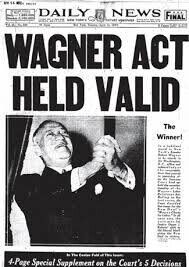
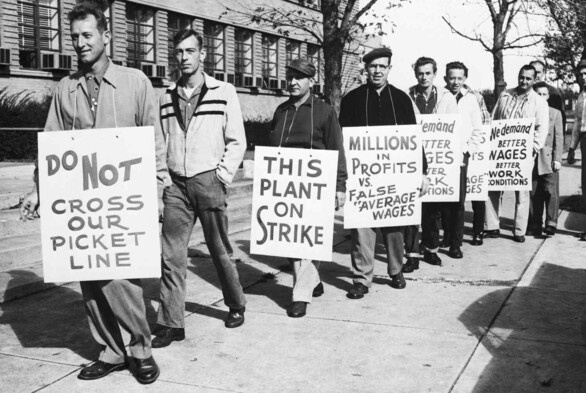
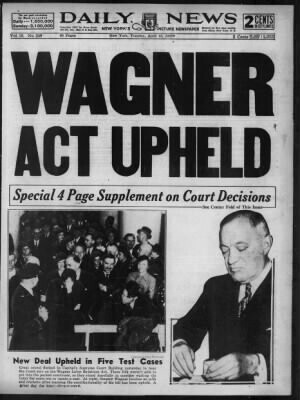
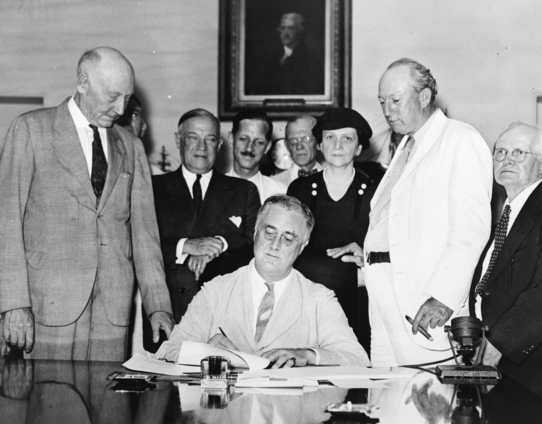
The origins of the term, “affirmative action,” can be traced to the Wagner Act , which granted workers the freedom to form unions without facing discrimination, while also establishing a National Labor Relations Board to examine instances of worker mistreatment. In cases of discrimination, 'affirmative action' was employed to reinstate employees to a suitable position within the company.

8/34

#TeachHistory #BlackMastodon
#Histodons #History

Although the Wagner Act safeguarded workers & unions, it failed to extend protection to minorities who were excluded from union membership, with the exception of the Congress of Industrial Organizations. Consequently, initial usage of the term "affirmative action" is not closely aligned with present-day policies associated with it. However, it played a crucial role in laying the foundation for policies aimed at redressing discrimination.

9/34

#TeachHistory #BlackMastodon
#Histodons #History

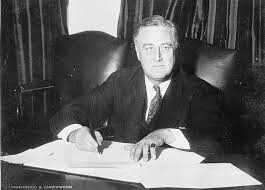
In 1941, Franklin D. Roosevelt signed Executive Order 8802, which prohibited racial discrimination in employment of workers in defense industries & established the Fair Employment Practices Commission to carry out the order. Assailing the order, Rep. Jamie Whitten, a MS segregationist, complained that it would not so much prevent unfairness as “discriminate in favor of the Negro.”

10/34

#TeachHistory #BlackMastodon
#Histodons #History

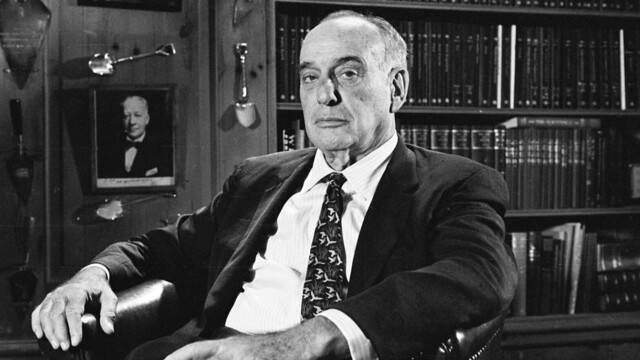
Criticism wasn’t confined to southern politicians. In 1945, NYC administrator Robert Moses railed against municipal anti discrimination legislation in employment & admissions. Displaying more anger at the distant prospect of racial quotas than the immediate reality of racial exclusions, Moses said that affirmative action would “mean the end of honest competition, and the death knell of selection and advancement on the basis of talent.”

11/34

#TeachHistory #BlackMastodon
#Histodons #History

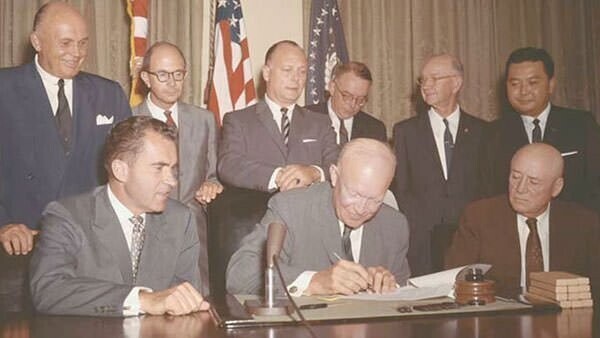
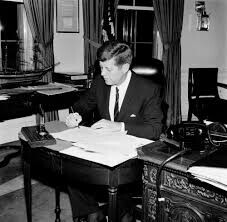
President Dwight D. Eisenhower expanded on Roosevelt’s efforts through the implementation of Executive Order 10479 in 1953. This order gave rise to the Government Contract Committee, which aimed to combat discrimination. But, it was President John F. Kennedy who was the first president to link the term, affirmative action specifically with a policy meant to advance racial equality.

14/34

#TeachHistory #BlackMastodon
#Histodons #History

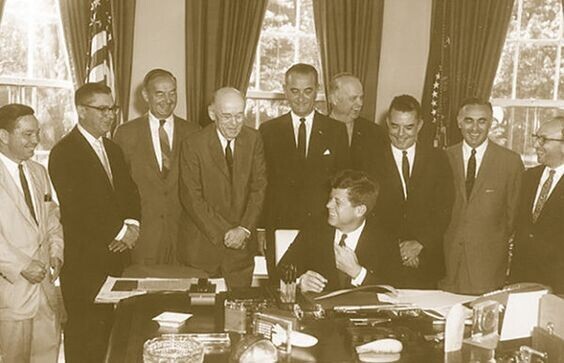
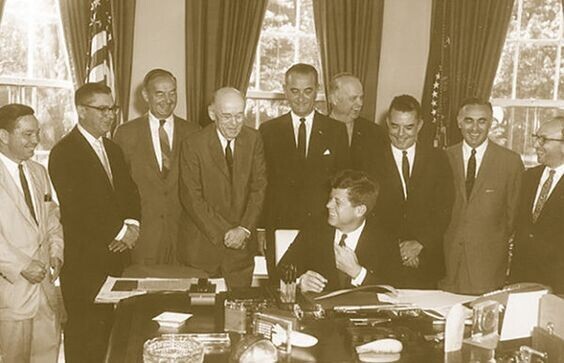
In 1961, Pres Kennedy signed Executive Order 10925, establishing the President's Committee on Equal Employment & mandated federal contractors to "take affirmative action to ensure that applicants are employed, & that employees are treated fairly in employment, without regard to race, creed, color or national origin.” Over time, influenced by civil rights movement & social unrest, the concept gained traction in the field of education.

15/34

#TeachHistory #BlackMastodon
#Histodons #History

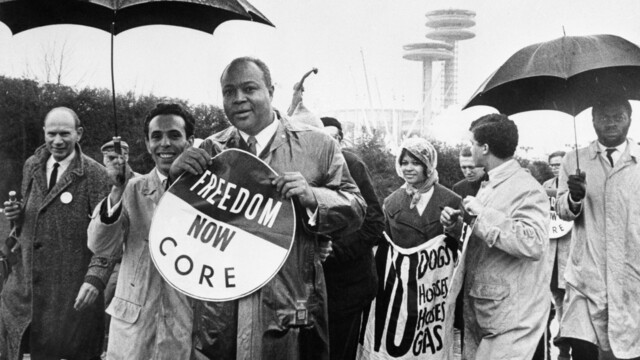
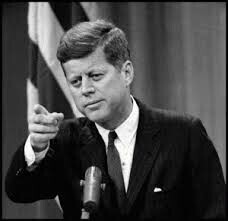
When the Congress of Racial Equality (CORE) suggested "compensatory" hiring programs aimed to give advantage to Black folks due to past victimization and the enduring consequences of historical mistreatment, many liberals pushed back against it. Adked about CORE's proposals, President Kennedy expressed his belief that society couldn't change the past & it was a mistake to introduce quotas based on religion, race, color, or nationality.

16/34

#TeachHistory #BlackMastodon
#Histodons #History

While addressing the issue, President Kennedy acknowledged the longstanding presence of unwritten but influential quotas that allowed white men to dominate highly influential and desirable positions in society. However, it was only when faced with protests against this monopolization that he expressed his disapproval of quotas based on social status.

17/34

#TeachHistory #BlackMastodon
#Histodons #History

Pres Lyndon B. Johnson solidified the association through his own broader executive order. The term "affirmative action" gained momentum. On September 24, 1965, Johnson signed Executive Order 11246, replacing Kennedy's Executive Order 10925, and entrusted the secretary of labor with overseeing affirmative action measures. Additionally, in 1965, he created the Office of Federal Contract Compliance to further support these initiatives.

18/34

#TeachHistory #BlackMastodon
#Histodons #History

Rev. Dr. Martin Luther King Jr.’s assassination in 1968 marked a significant moment, prompting students to urge colleges to intensify their endeavors towards greater representation of American society. In under a month following Dr. King's tragic demise, Harvard's admissions dean declared a pledge to enroll a significantly larger number of Black students compared to previous years.

19/34

#TeachHistory #BlackMastodon
#Histodons #History

Pres Richard Nixon built upon President Johnson's efforts in affirmative action through his Executive Order 11478, enacted on August 8, 1969. This order emphasized unilateral affirmative action in government employment. As a result, there was a significant increase in Black enrollment for the Harvard University class of 1969.

20/34

#TeachHistory #BlackMastodon
#Histodons #History

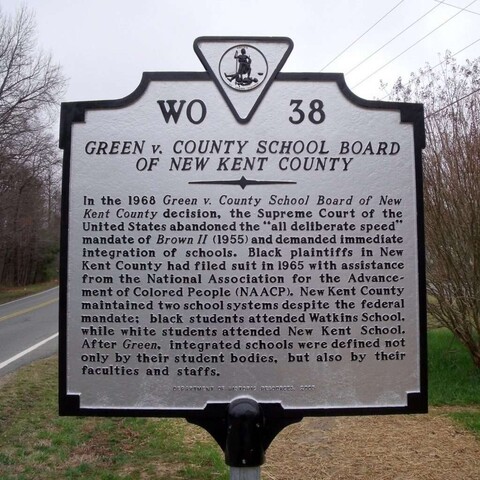
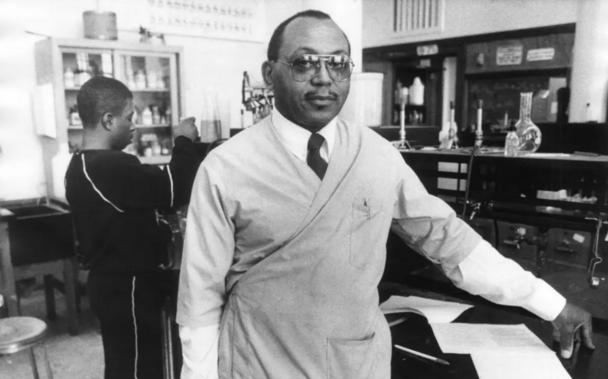
Affirmative action's progression into the realm of education took a significant stride with the SCOTUS’ 'ruling in Green v. County School Board of New Kent County VA in 1968. This decision compelled all school boards to devise plans aimed at dismantling segregated systems within their districts, aligning with the principles established by Brown v. Board of Education in 1954.

21/34

#TeachHistory #BlackMastodon
#Histodons #History

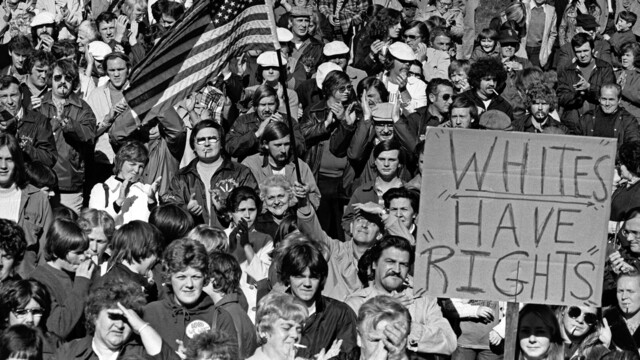
As elucidated by the Virginia Historical Society, the challenges emerged due to the phenomenon of white families relocating to private academies & suburban areas, making it difficult to achieve racial balance w/o extensive busing of students across city-county boundaries. These circumstances paved the way for strong white backlash against what was perceived as judicially-driven social engineering.

22/34

#TeachHistory #BlackMastodon
#Histodons #History

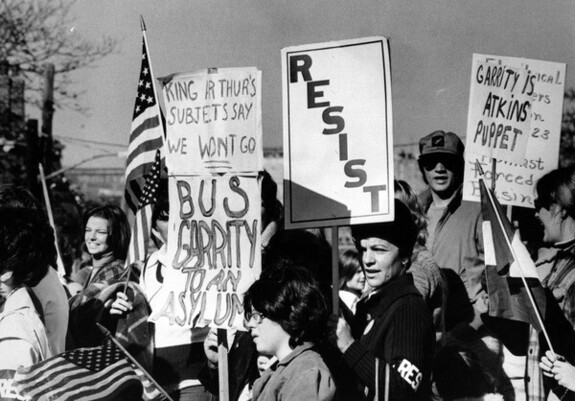
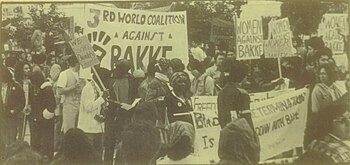
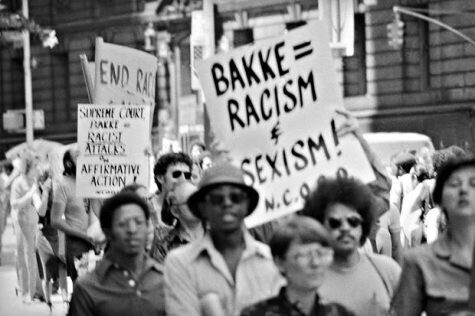
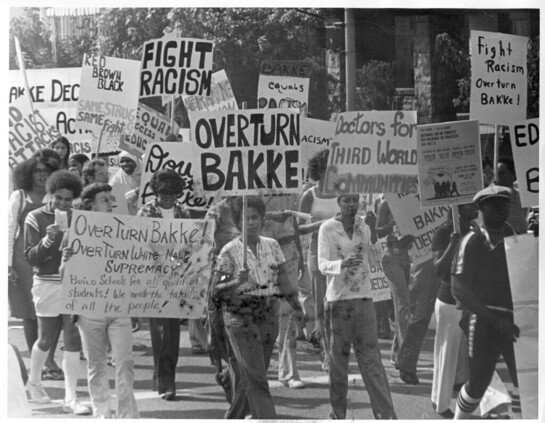
Subsequently, affirmative action began to acquire widespread negative associations propagated by the media and individuals who sought its elimination or opposed its principles. This resistance caught the attention of the Supreme Court in 1978, when the case of Regents of the University of California v. Bakke emerged.

23/34

#TeachHistory #BlackMastodon
#Histodons #History

In a narrow 5-4 decision, the Supreme Court determined in Regents of the University of California v. Bakke that while strict quotas violated the Equal Protection Clause of the 14th Amendment, race could still be considered as a factor in the admissions process to foster educational diversity. This ruling allowed for the consideration of race as one element among others in college applications.

24/34

#TeachHistory #BlackMastodon
#Histodons #History

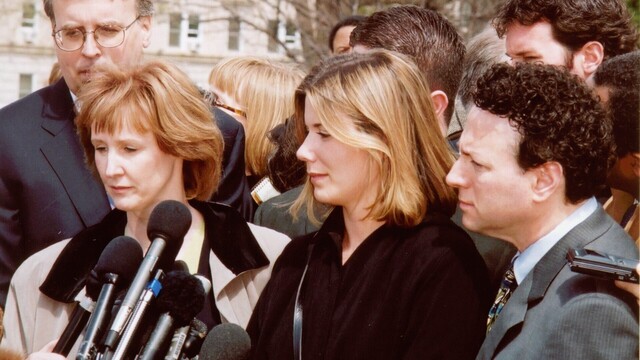
In the case of Grutter v. Bollinger (2003), the focus revolved around Barbara Grutter, a white applicant to the University of Michigan Law School. In a similar 5-4 verdict, the court concluded that the university's individualized evaluation of candidates, wherein race served as a limited factor among many in the decision-making process, upheld the legality of its admissions procedure.

25/34

#TeachHistory #BlackMastodon
#Histodons #History

In 2014, President Barack Obama signed an executive order, known as Johnson's Executive Order 11246, that broadened the scope of protected classes for federal contractors. The order extended the existing protections beyond race, color, religion, sex, and national origin to include sexual orientation as well.

26/34

#TeachHistory #BlackMastodon
#Histodons #History

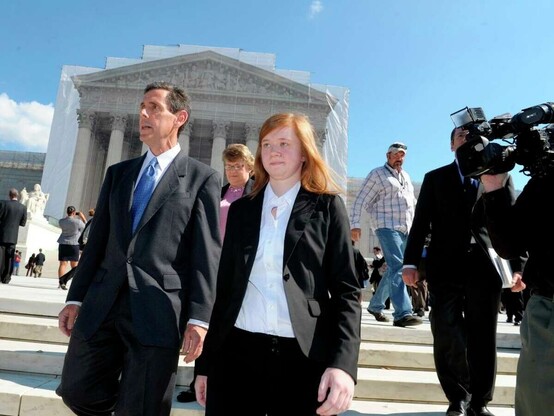
Fisher v. University of Texas was a significant legal case that reached the US Supreme Court in 2016. The case centered around the University of Texas at Austin's undergraduate admissions policy, which considered race as a factor in the admissions process. The plaintiff, Abigail Fisher, argued that she was denied admission based on her race, which she claimed violated her rights under the Equal Protection Clause of the 14th Amendment.

27/34

#TeachHistory #BlackMastodon
#Histodons #History

@Deglassco thank you so much for taking the time to put together these history posts! I learn a lot from them and I expect many others do as well.
@gardenpeach thank you for taking the time to read them.