 Jen Ang
👀 this fantastic t-shirt from MESS in a bottle - a black-owned woman-owned business in Baltimore 🔥
Love this? ❤️ Get your t-shirts here 👉🏾
https://www.messinabottle.com/
#BlackLivesMatter #Teach #TeachHistory #AfricanAmericanHistory
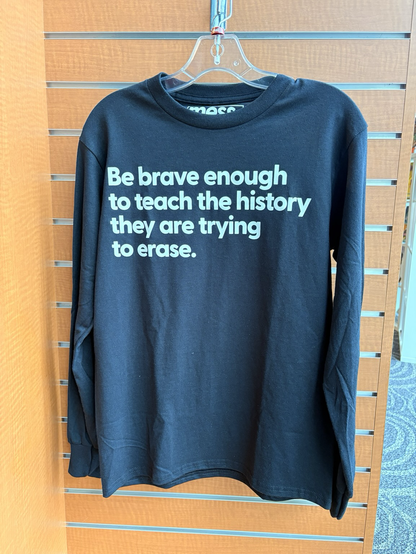
👀 this fantastic t-shirt from MESS in a bottle - a black-owned woman-owned business in Baltimore 🔥
Love this? ❤️ Get your t-shirts here 👉🏾
https://www.messinabottle.com/
#BlackLivesMatter #Teach #TeachHistory #AfricanAmericanHistory
More Resources and Books
https://penntoday.upenn.edu/news/look-history-affirmative-action-mary-frances-berry
Jerome Karabel, The Chosen, Harper, 2006
Randall Kennedy, For Discrimination: Race, Affirmative Action, and the Law, Pantheon , 2013
Ira Katznelson, When Affirmative Action Was White: An Untold History of Racial Inequality in Twentieth-Century America., Liveright, 2023
34/34
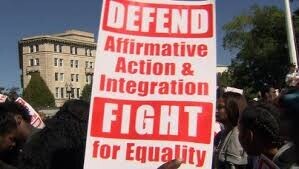
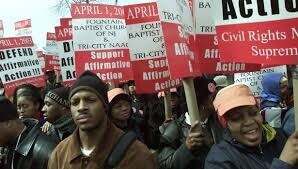
Throughout the racial history of the United States, significant efforts aimed at promoting the progress of African Americans and rectifying the impact of racial subordination have consistently faced allegations of "reverse discrimination" and perceived unfair "preference." While progress has been made in dismantling long-held prejudices the underlying roots of institutionalized racism in America remain deeply embedded..
32/34
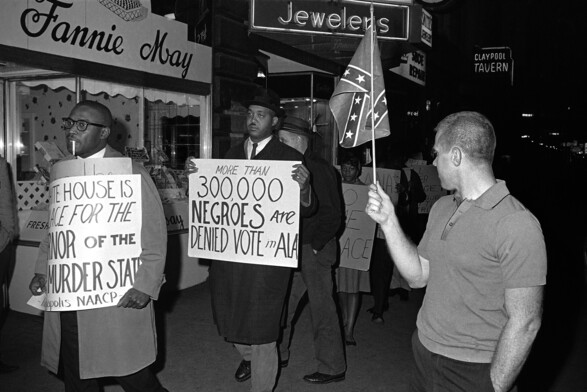
Over the years, the concept and interpretation of affirmative action have evolved through various legal decisions, deviating from initial expectations held by educational institutions. Universities are no longer permitted to solely rely on affirmative action as a means to address centuries of racism in the United States.
31/34
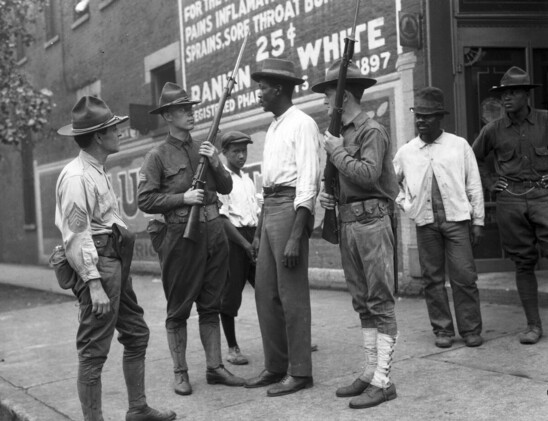
The assessment of affirmative action’s purpose and effectiveness differs among individuals with different ideological perspectives. Chief Justice John Roberts expressed a conservative viewpoint when he famously stated in 2007 that to eliminate racial discrimination, one must refrain from discriminating based on race.
30/34
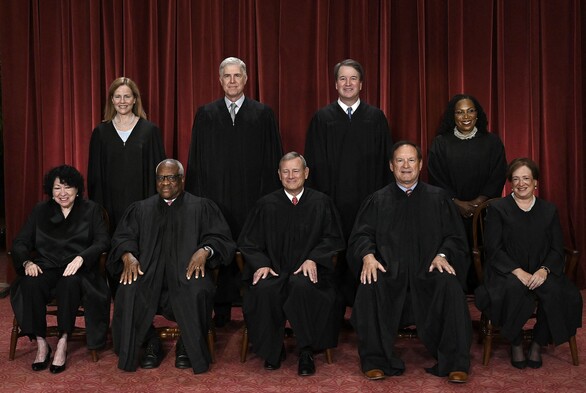
On June 29, 2023, SCOTUS
invalidated significant aspects of Affirmative Action in education. The court’s decision responded to lawsuits against Harvard University and the University of North Carolina, where allegations of discriminatory practices were raised. Opponents of affirmative action argued that these elite institutions, while aiming to support Black Americans & Latinos, were unfairly treating people of white and Asian ancestry.
29/34
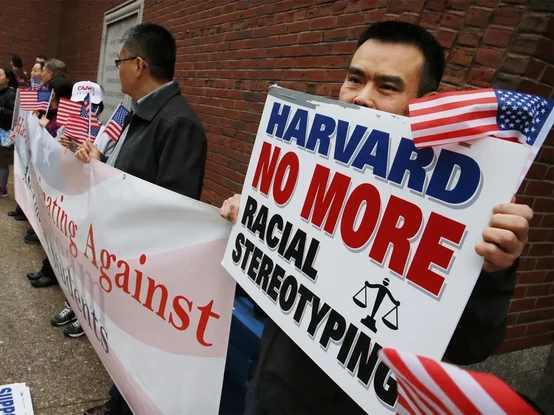
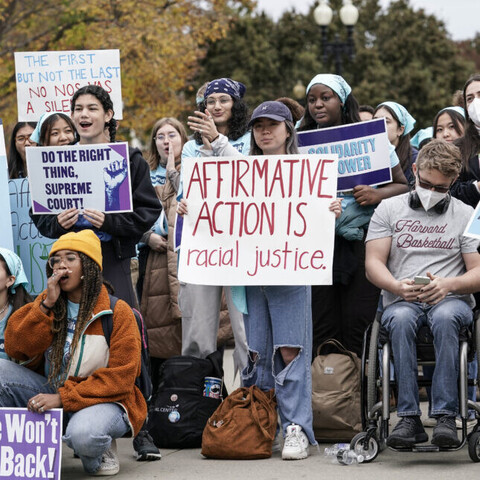
In Fisher, the Supreme Court, in a 4-3 decision, upheld the constitutionality of the university's race-conscious admissions policy, affirming that it met the strict scrutiny standard. This ruling established important precedent regarding the use of race in college admissions and emphasized the need for universities to narrowly tailor their affirmative action policies to achieve diversity while ensuring individual rights are protected.
28/34

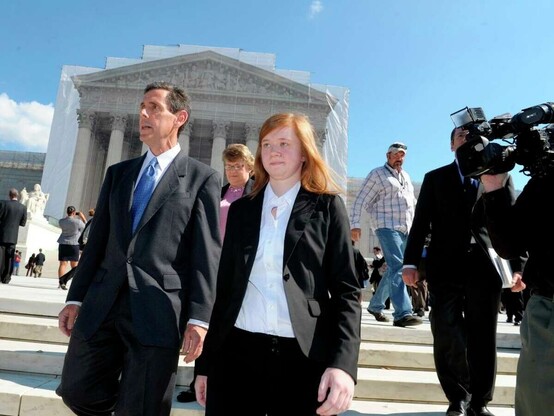
Fisher v. University of Texas was a significant legal case that reached the US Supreme Court in 2016. The case centered around the University of Texas at Austin's undergraduate admissions policy, which considered race as a factor in the admissions process. The plaintiff, Abigail Fisher, argued that she was denied admission based on her race, which she claimed violated her rights under the Equal Protection Clause of the 14th Amendment.
27/34
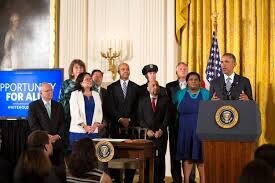
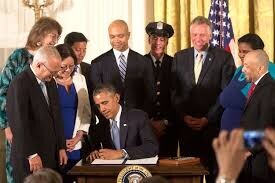
In 2014, President Barack Obama signed an executive order, known as Johnson's Executive Order 11246, that broadened the scope of protected classes for federal contractors. The order extended the existing protections beyond race, color, religion, sex, and national origin to include sexual orientation as well.
26/34

 Betwixt & Between
 Dr. D. Elisabeth Glassco