@JessTheUnstill these things don't need to be contextualized within a nationalist framework to be inspiring though. And if you think that abandoning US nationalism feels too painful or hopeless, maybe consider why you feel that way, and what your outlook would be if you didn't?
I've always hated the "more perfect union" phrase because this nation was founded on genocide, and the resolution of that which I'd like to see involves #LandBack. The words "merciless Indian savages" are in the founding document of the USA, and the genocidal intent which put them there is alive and well; its project actively continues today. I'd prefer to see abolitionists, union organizers, etc. as part of an imperfect legacy of shared humanity standing up to oppression, and to recognize the ways some of those movements were more inclusive than others, than to treat that all as redemptive of the US project merely because they happened here.
If you want to take "hope for a truly liberatory US" away from this post I can't stop you, and that's not the worst position to be playing from, but I'd encourage you to think very carefully about whether your efforts under that banner are really advancing liberation or are merely putting a nicer face on things, especially to the extent that you work to solve problems here without addressing the systemic roots of those problems and how progress for some is often predicated on further oppression for others, especially others abroad.
There is a rich intellectual tradition of people opposed to nations themselves if you grounding beyond nationalism.
 Jess👾
Jess👾 Sharon Gibson Morgan
 G. Willow Wilson
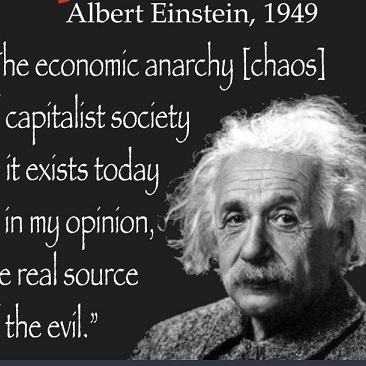 Earthling
 John Brewer
 skua
skua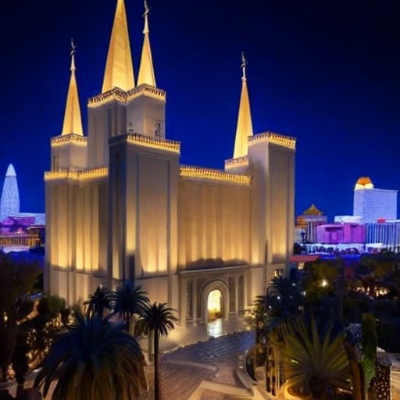 Temple Square
 Alexander Karn
 Tiota Sram
 mybarkingdogs
 Steven Lipton
 Nicole Parsons
 Orc
Orc SearingTruth
 Cykonot
 Grandpa Don
 Travis Marble
 zeruch
 RejZoR
 Runefar
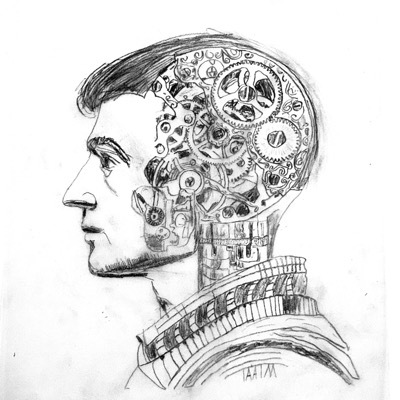 The Animal and the Machine
 Jon Sparks
 Will
Will 
 𝔼k 𝓋ℴ𝓃 𝕂𝔫ä𝔭𝔭𝔢𝔫𝔟𝔢𝔯g
 Kerri Levine
 nonlinear
 Roy #EatTheRich Pardee 🇺🇸