Also, there are a few things I wanted to improve on that thread, so this is my chance.
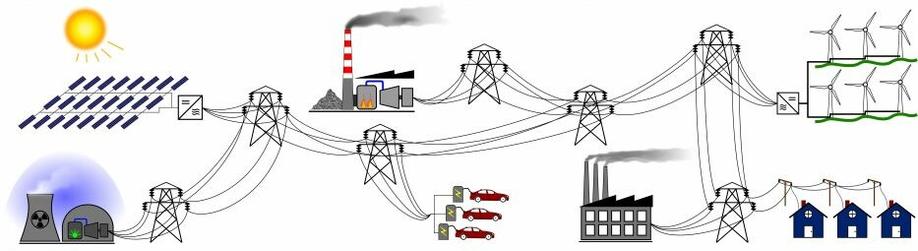
Disclaimer: While I have been writing code in this domain for a decade, I am not an electrical engineer and mostly only learned what I needed on the job. Electrical engineering is complicated, people spend years studying it, and there is no way I could cram everything needed into this thread even if I knew it all—which I absolutely do not. So I have to oversimplify things.
Dear electrical engineers, reading this might physically hurt you. I am sorry.
Now let's get started!
Thanks for reading all the way down here!
I am looking for a better job, BTW: https://toot.berlin/@sbi/110491545613352166
Yet more stupid management decisions. *sigh* I think I've had enough by now. The nice little startup I once joined was bought 3 years ago, and apparently I'm not cut out for big corporations and their stupidity. It drives me up the wall and makes management resent having to talk to me. I am officially back on the job market now. If you need an experienced C++ programmer please give me a shout. I don't mind coming to a Berlin office once a month, but purely remote is also fine. (Please boost.)
@sbi I'm planning to shape my life around understanding, installing, and maintaining renewable power.
The true benefit of renewables is not in the large scale, but in the small scale.
Renewables can massively improve community energy resilience.
Renewable energy systems can be deployed at any scale, personal, household, community, state, and improve energy resilience.
@sbi The greatest power of renewable energy is the ability to bring energy use and production into the realm of the personal, comprehensible, and controllable.
Who gives a shit how much energy you consume when it all comes from the grid and always costs the same?
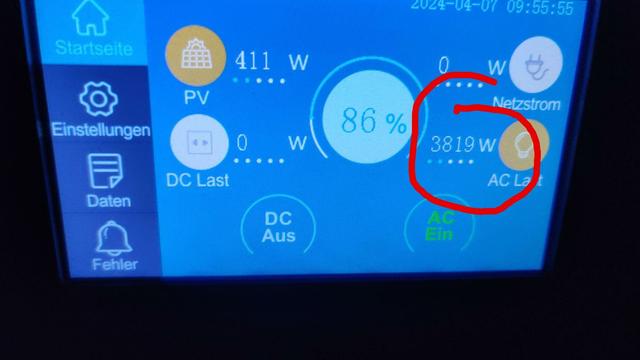
But if you've got household solar and a battery system, you can track your own energy production and consumption, and plan your energy usage around efficiency.
@sbi Find that you're over-producing by the afternoon? Plan break baking around peak sun hours so that excess energy isn't wasted.
Energy management can be a fun exercise in direct household resource management, rather than an abstract headache of budgeting.
This is a sustainable approach towards energy use that originally comes from rural environments.
There is a given maximum amount of energy that can be sustainably harvested from a given area of land, without damaging the biological infrastructure that generates that energy. :D
Most of the rural patterns of working are based on the life-cycles of the organisms that are part of that infrastructure. :D
You're just returning to our original way of doing things. :D
@sbi Every small step towards a better world matters.
Also, my friend @BillySmith has an extensive background in sustainable agriculture systems. I can't speak for him, but I'm sure there are few who would be more happy to talk about how agriculture *could be* sustainable.
I'm an engineer based in London, but most of my kin back in Scotland are fishers and farmers. :D
My original focus was energy engineering, but i've used that conceptual lens in all kinds of ways, hence the above comments about land. :D
Farming is always energy-positive, as it's solar powered. :D
Whether the farming methods used are sustainable in terms of soil damage is a larger question altogether. :D
@sbi I wish you the best. Can relate to being fed up with crazy bosses.
I hope I always listened well enough to my people in the past. but a few times in my career I initiated the move, when it became nevessary due to organizational/leadership issues.
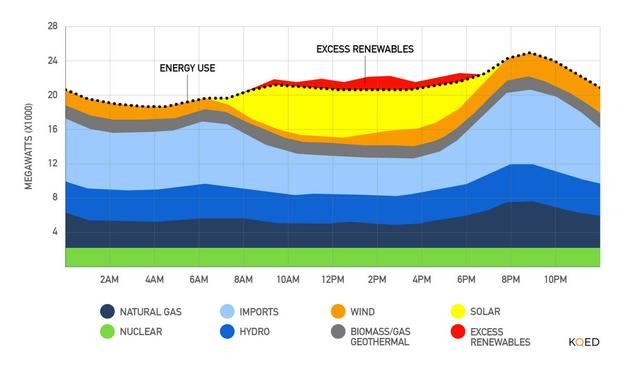
@sbi Great thread! I've become somewhat convinced that a certain amount of overbuilding of renewables is inevitable in the energy transition (https://www.pv-magazine.com/2023/02/15/curtailment-is-not-the-enemy/) but this is an important piece of the puzzle.
Not sure if the available roles would be up your alley, but fwiw my current employer (DERs aka demand response) is hiring for some engineering positions: https://www.voltus.co/jobs -- primarily North America-based but we have some Europeans.
A new report by IEA-PVPS Task 16 looks at the use of "implicit storage" to transform intermittent renewable sources such as solar and wind into firm power generation. It shows that the total cost of the electricity system transformation could be lowered with the optimal use of capacity overbuilding and dynamic curtailment.
@wlach Yes, you need to have some overcapacity in renewables if you want a higher penetration. And curtailing is necessary in order to protect your grid. Interesting article!
Thanks for pointing out that job. However, this is all about DB's and financial stuff, whereas I love tweaking dispatch algorithms to get the maximum out of the available assets in a microgrid. :-(
@sbi but you are not apologizing for your gigantic anti-nuclear bias which is very visible. That is disappointing.
Edit: ah you're from Germany that explains things. Meh.
@sbi I think this is really underrated.
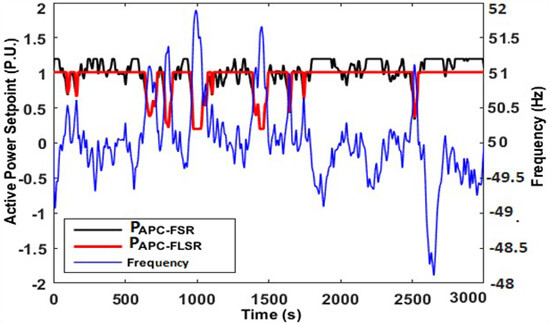
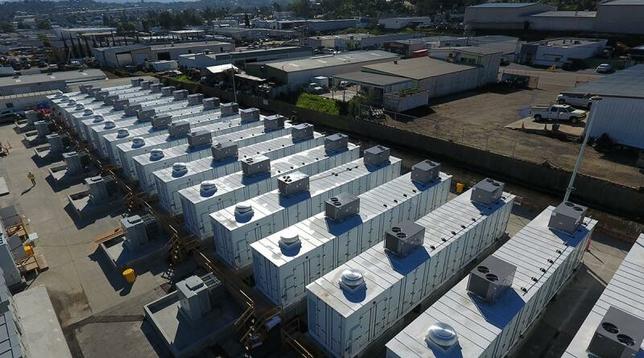
Batteries can adjust for 200% of rated power, a gas turbine for 90%, and a local coal plant for ~60%.