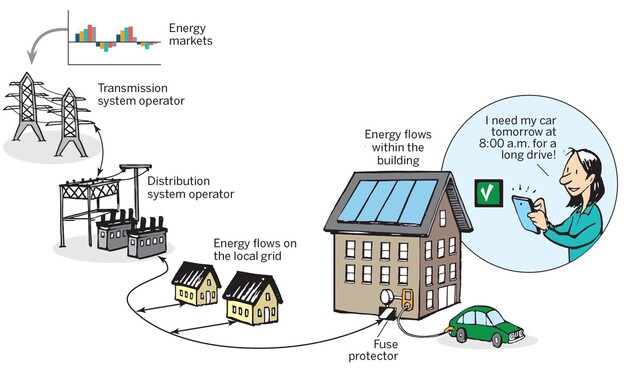
Why extend dynamic pricing to #EV public charging users?
It gives them the same access to the benefits of #SmartCharging as those who charge at home. The added flexibility helps cities in their energy transition.

More in my op-ed in Foresight Climate & Energy and this🧵

https://foresightdk.com/flex-and-the-city-cities-need-dynamic-pricing-for-public-charging/
Flex and the city: Cities need dynamic pricing for public charging – FORESIGHT

The affordability of EVs compared to the fossil-fuelled cars they replace depends in part on lower running costs (more on the upfront cost barrier later). While renewables are bringing down wholesale electricity prices, #EV users do not always benefit.
Public charging users pay the same price whether they charge at peak times or not. Tariffs are high to cover peak prices in the energy supply contract. However, these tariffs do nothing to reduce peak demand, nor are the lower costs of off-peak charging passed on to EV drivers.
Some public smart charging schemes focus on the benefits for the grid, without direct benefits (and control) for the driver. For smart charging to be effective, the user should see direct benefits and have a choice.
For home charging, tariffs have emerged that offer drivers low prices for every smartly charged kWh, while retaining full control. By making smart charging the default, users benefit directly (as does the grid). This is what we need for public charging.
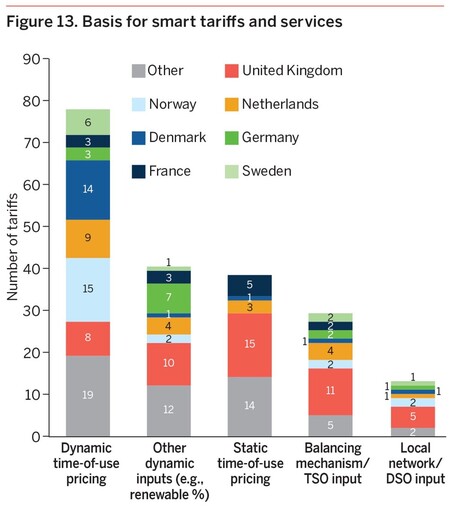
A variety of available smart charging services show dynamic pricing as input can be handled in a user-friendly & automated way, e.g. with off-peak bonus points, and by stacking use cases: e.g. local grid + power markets.
(figure from https://www.raponline.org/knowledge-center/time-is-now-smart-charging-electric-vehicles/) #EV #SmartCharging
The time is now: smart charging of electric vehicles

RAP analyses 139 smart charging tariffs and services across Europe to offer recommendations on how to capture the most value from EV charging.

Regulatory Assistance Project
Cities can unlock the value of flex in public charging by recognising its value to grids, enabling user-centric services that work with (national) energy markets, but can also contribute to local value creation, for example by linking energy communities with public charging.
Governments and regulators can give EV drivers with and without off-street parking the same opportunities to participate in and benefit directly from smart charging. It is a sustainable way to bring smart charging rewards to all EV users.
Dynamic pricing works well with ad hoc payment options and a wide range of contracts (e.g. flat rates). Consumers will benefit from a wide variety of offers, as not everyone will have the same preferences and needs. They may want to try different options to find the perfect one.

@burger_jaap I was reading about an efficient use of grid/EV for years.
And Home batteries/grid, too.

My hope is that a sound "Psicological" approach may be forged out.
A easy "do that to save money" message.

@Fabio_Galletti_ yes, I think that's why we need a diverse range of offerings: some consumers will prefer the 'no worries, low cost' for an easy, fully managed solution where others are happy to be exposed to (wholesale) price dynamics themselves