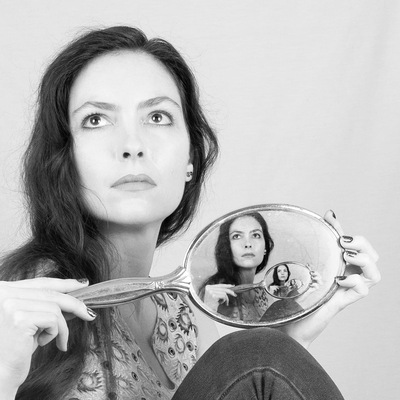
#ADHD is actually a lot more common than previously thought, and the following is one of its most debilitating aspects (IMO, anyway). Everyone probably knows someone who suffers from #RSD.

It drives some of us to continually strive for an impossible level of perfection in everything we do. It’s not enough just to be good at something; we have to be the best. Our work has to be beyond reproach before we allow anyone the opportunity to judge it. (1/2)

I think in some cases it can lead to incredible feats and amazing achievements, but…

…it really sucks.

It might suck less if there were more general awareness that this was a thing, so here’s a great article about it:

https://neuroclastic.com/living-with-rejection-sensitive-dysphoria/

(2/2)

Living with Rejection Sensitive Dysphoria

Rejection Sensitive Dysphoria is common in neurodivergent people and people with complex trauma. This article explains what it’s like.

NeuroClastic
@carygrace what's kind of weird is that when I look at art or listen to music, I want to see and hear the flaws and the humanness. So it makes no sense that I should be trying so hard to eradicate those.

@KeithHandy Interesting angle.

I personally don’t consider “human-ness” to be a flaw; nor do I consider flaws to inherently make something “more human”.

For example, rock/pop/related music has to have “feel” and “groove” in most cases for me to rate it. Usually, that means not rigidly adhering to a grid (but not always).

I don’t consider deviations from a particular tempo grid a flaw, unless it’s accidental/done in such a way that actually detracts from the feel and groove.

@KeithHandy similar considerations apply in regard to production values. Something can be made to intentionally have a certain sonic vibe, but it’s not really a flaw if it’s intentional and done by someone with a reasonable amount of expertise. (Which I guess is just a long-winded way of saying that you need to know the rules before you are authorised to break them 🤣.)