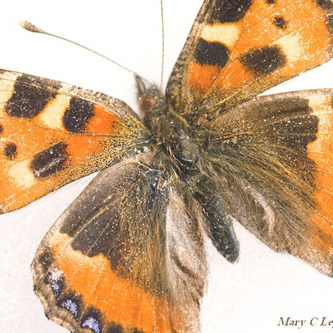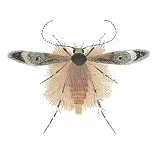
Google has selected a #PlumeMoth (#Lepidoptera: #Pterophoridae: Pterophorus pentadactyla) to represent the #insect order #Zoraptera.

https://www.google.com/search?q=Zoraptera

This surprised me greatly, but it seems zorapterans are "commonly known as angel insects" (https://en.wikipedia.org/wiki/Zoraptera), which was an even bigger surprise, and the plume moth image has been tagged "angel insect". After all, it is white and feathery and presumably suitable for inspirational posters.

Bring on the AI-powered knowledgeverse ...
@dhobern interesting.. Plume moths get listed as crop pest and on other hand bio agents to control invasive plants as well... mixed bag. P pentadactyla is crop pest for sweet potato Ipomoea batatas, but maybe an control agent of bindweed. mixed blessing.

@pogomcl It's hard to imagine many contexts where #PlumeMoth #larvae truly impact crop production. They are small and not conspicuously gregarious and/or voracious.

The Starfruit Plume Moth (#Diacrotricha fasciola, https://www.inaturalist.org/taxa/211098-Diacrotricha-fasciola) seems to be a pest because they bore into the fruit and presumably lower its marketability.

And two species have been introduced for biosecurity in #Australia (#Wheeleria spilodactylus for Marrubium vulgare, #Hellinsia balanotes for Baccharis halimifolia).

Starfruit Plume Moth (Diacrotricha fasciola)

Diacrotricha fasciola (starfruit flowermoth) is a moth of the family Pterophoridae. It is widely distributed throughout south-east Asia. (Source: Wikipedia, '', http://en.wikipedia.org/wiki/Diacrotricha_fasciola, CC BY-SA 3.0 . Photo: (c) gbohne, some rights reserved (CC BY-SA))

iNaturalist