 KillBait News
Victor Stiebel and His Timeless Contributions to Mid-20th Century Fashion
📰 Original title: Victor Stiebel: The Architect of Romantic Elegance
🤖 IA: It's not clickbait ✅
👥 Users: It's not clickbait ✅
View full AI summary: https://en.killbait.com/victor-stiebel-and-his-timeless-contributions-to-mid-20th-century-fashion.html?utm_source=mastodon_world&utm_medium=social&utm_campaign=killbait.mastodon_world
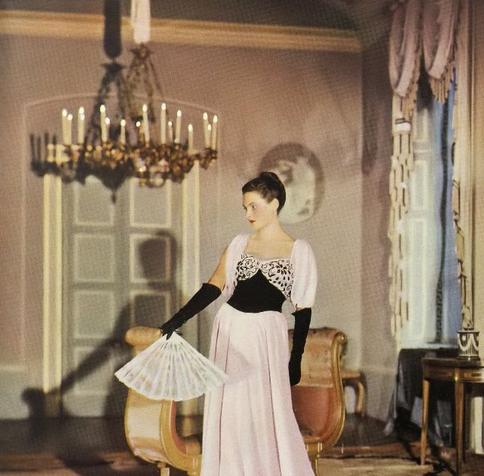
Victor Stiebel and His Timeless Contributions to Mid-20th Century Fashion
Victor Stiebel (1907–1976) was a South African-born British fashion designer renowned for his romantic and feminine style. Rising to prominence in the 1930s, he became a key member of London’s “Big Ten” couturiers, designing for the British aristocracy and Hollywood elites. Stiebel's creations balanced traditional English charm with modern flair, featuring intricate pleating, stripes, and fluid movement. During World War II, he made significant contributions to the Utility Clothing Scheme, proving that elegance could persist even amid material restrictions. Favored by the British Royal Family, especially Princess Margaret, his designs helped define Britain’s polished 'New Look' era. Over the decades, Stiebel produced a remarkable array of garments—from draped evening gowns and romantic ball dresses to sophisticated daywear and tailored suits—often showcased in Harper’s Bazaar UK and Vogue. His work was characterized by technical mastery, attention to detail, and an ability to imbue garments with both grace and structure. Today, Victor Stiebel is celebrated as a master of construction whose timeless designs reflect the resilience and elegance of mid-20th-century high society.
 KillBait