
The Atlantic | How Fake People Became Real Influencers by Charlie Warzel

Subscribe here: Apple Podcasts | Spotify | YouTube

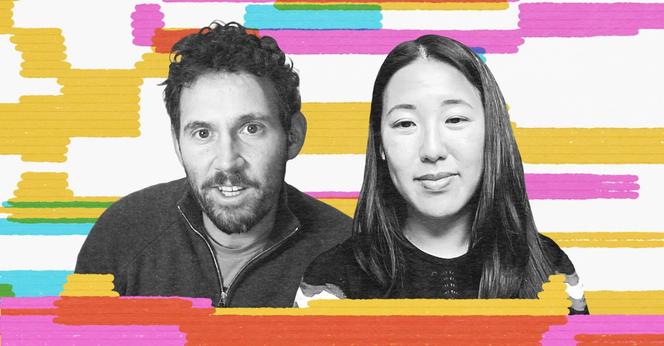
On this week’s Galaxy Brain episode, Charlie Warzel is joined by New York Times technology reporter Tiffany Hsu to discuss the rise of AI influencers—synthetic avatars, often indistinguishable from real people, that are flooding social-media feeds to sell supplements and promote brands. Hsu unpacks her reporting on the combination of forces converging around it, including the wellness industry, a historically fertile ground for scammers. The pair discuss how the volume of synthetic content online is producing a new kind of epistemic exhaustion: a fatigue so deep that many people have simply stopped caring whether what they’re seeing is real. So is authenticity already beside the point? And is an audience’s emotional response—rather than the truth behind the image—the only currency that matters?

Read more: https://www.theatlantic.com/podcasts/2026/04/how-fake-people-became-real-influencers/686755/?utm_source=feed

#charliewarzel #tiffanyhsu #galaxybrain

How Fake People Became Real Influencers

AI avatars are redefining influence and trust online.

The Atlantic

NY Times spreads FUD about misinformation and conspiracy theories;

"Some misinformation researchers are worried that the new spate of left-leaning conspiracy theories could further polarize political discourse before the November election. More than one-third of President Biden’s supporters believed the assassination attempt may have been staged, according to a poll in July by Morning Consult."

https://www.nytimes.com/2024/09/03/technology/left-wing-misinformation-conspiracy-theories.html

#StuartAThompson, #TiffanyHsu, 2024

(1/?)

Left-Wing Misinformation Is Having a Moment

America’s right flank remains the chief purveyor of misinformation, but this summer’s political tumult created ideal conditions for falsehoods to spread among progressives.

The New York Times