 unspeakablehorror
It's a lot better to argue against opposing positions by steelmanning them than by strawmanning them. This can enable you to not only more effectively argue against an opposing position, but to better understand your own position, as it will call to mind many nuances that are often overlooked for the sake of simplicity. It is however also easy to think an argument isn't being strawmanned if you're using a real argument.
But the truth of the matter is, most of us make bad arguments all the time. I don't think most of the arguments that I or anyone else make on an average day would stand up to scrutiny if properly and rigorously analyzed. I think the truth is that we (many times quite understandably) simply choose to devote our brainpower to other matters. Making a good argument is hard--making a good argument compelling doubly so. Making bad but compelling arguments can often be more effective than making good ones, which further undercuts the motivation for people to make good arguments.
My point is that even arguments people are legitimately making can be selected in a way so as to strawman that position, and in fact this is the easiest way to select arguments to refute. Don't mistake sincerity for quality.
But the truth of the matter is, most of us make bad arguments all the time. I don't think most of the arguments that I or anyone else make on an average day would stand up to scrutiny if properly and rigorously analyzed. I think the truth is that we (many times quite understandably) simply choose to devote our brainpower to other matters. Making a good argument is hard--making a good argument compelling doubly so. Making bad but compelling arguments can often be more effective than making good ones, which further undercuts the motivation for people to make good arguments.
My point is that even arguments people are legitimately making can be selected in a way so as to strawman that position, and in fact this is the easiest way to select arguments to refute. Don't mistake sincerity for quality.
 Bill
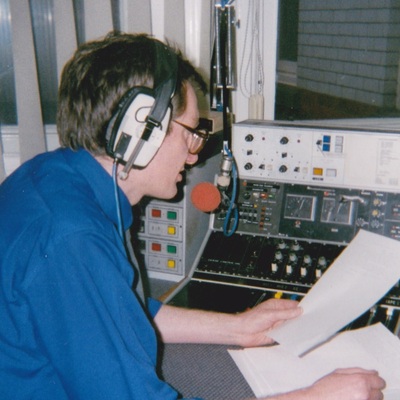
Bill Jim Pembroke
 Dick Smiths Fair Go Supporters