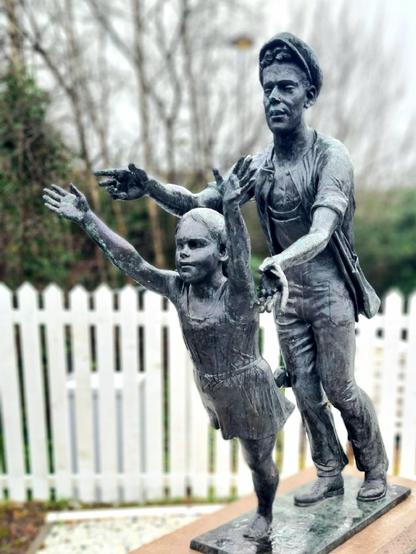
Heritage and Hope by Vicent Bulter. Created in 1989, it was originally sited in Springfield Museum. It shows a railway worker playing with his daughter, and symbolises Springburn's historic links to locomotive construction. It was put into storage when the museum closed in 2001, but it's now back on display at a new location on Springburn Station.

#glasgow #sculpture #springburn #glasgowhistory

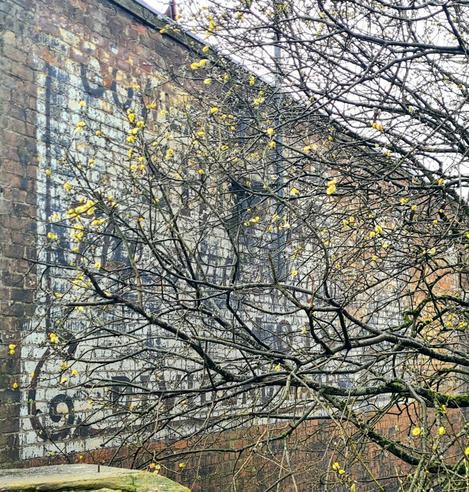
It provided an alternative to the NBRC shops and sold goods at fairer prices. This proved so popular that it grew to become the largest retailer in Springburn and at one time had 26 branches the area.

I don't know when this ghost sign dates from, but based on the font, I'm guessing sometime between the 1920s and the 1960s.

#glasgow #ghostsign #cooperativesociety #springburn #glasgowhistory

A ghost sign advertising the Cowlairs Cooperative Society on the side of their former shop on Angus Street in the Springburn area of Glasgow.

This cooperative society was founded in 1881 in response to the exploitative practices of the North British Railway Company, which was not only one of the largest employers in the area, but was also the largest landlord in Springburn.

Cont./

#glasgow #ghostsign #cooperativesociety #springburn #glasgowhistory

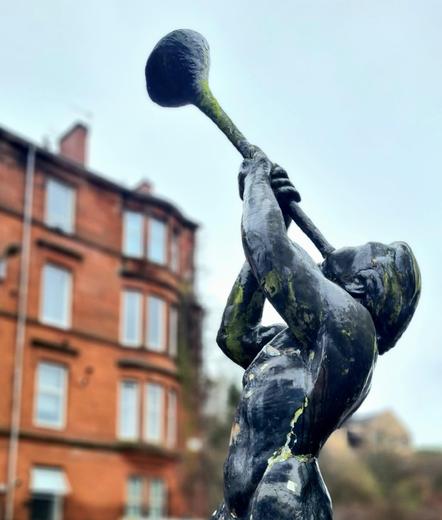
The Bringer by Andy Scott on Kay Street in the Springburn area of Glasgow. Created in 1991, it was commissioned to signal the rebirth of Springburn after the collapse of the local railway industries on which had been heavily dependent. It's apparently known by some as the Springburn Trumpeter.

#glasgow #sculpture #andyscott #springburn

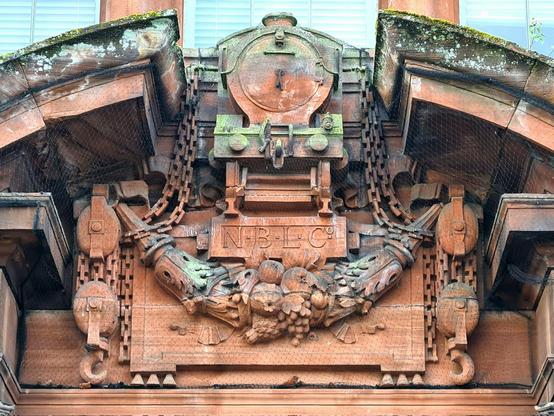
It's been estimated that 30,000 locomotives produced in Springburn were transported through the city in this manner, first with teams of Clydesdale horses, then steam engines and finally diesel-powered ones.

#glasgow #springburn
#train #architecture #sculpture #architecturephotography #glasgowhistory

I love this sculpture of a steam locomotive over the door of James Miller's 1903 North British Locomotive Company offices in the Springburn area of Glasgow. I particularly like the detail of the blocks and chains on either side, which were used to haul the completed locomotives through the streets of Glasgow and load them onto ships using the Finnieston Crane so they could be exported all over the world.

Cont./

#glasgow #springburn
#train #architecture #sculpture #architecturephotography

The main entrance of James Miller's magnificent 1903 offices for the North British Locomotive Company on Flemington Street in the Springburn area of Glasgow. It was later used as an engineering college, and then offices.

#glasgow #architecture #springburn #builtheritage #architecturephotography

A rather elegant red sandstone tenement on Valleyfield Street in the Springburn area of Glasgow.

#glasgow #architecture #tenement #glasgowtenements #springburn #buildingphotography #architecturephotography

A total of 75 schools were constructed by the Glasgow School Board between 1874 and 1916, and this is one of the oldest still standing. It currently lies empty and abandoned.

#glasgow #architecture #springburn #glasgowbuildings #oldschool #buildingsatrisk #glasgowschoolboard #architecturephotography

The former Springburn Public School (and later Springburn Primary School) on Gourlay Street in Glasgow.

Designed by David Thomson and built in the early 1870s, it was one of the first schools constructed by the Glasgow School Board after the introduction of free and compulsory education for 5 to 13 year olds through the Education (Scotland) Act of 1872.

Cont./

#glasgow #architecture #springburn #glasgowbuildings #oldschool #buildingsatrisk #glasgowschoolboard #architecturephotography