 Her Doing
From @joannechocolat
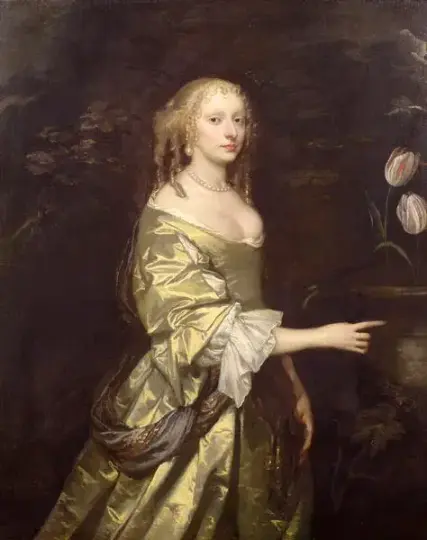
Elizabeth, Lady Wilbraham (1632 – 1705) was a member of the English aristocracy and a major architectural patron.
Unable to become an #architect because she was a woman, she studied in #Italy and tutored Christopher Wren, who may have been given credit for hundreds of her designs.
. . ...
(For those of you who may not know, this series originally began as # Neglected Women & was to highlight women whose achievements have been usurped by men.
It became # CelebratingWomen', which is much more positive, and then became more about remarkable women in general - including many now who are still alive - but it is still interesting to see this calling back to the original idea, and to realise how much of the *full* identity of woman has been lost.)
This ainting of Lady Elizabeth Wilbraham is by Sir Peter Lely, 17th century. (Peter Lely, 1618-1680)
#CelebratingWomen #ChristopherWren #Architecture #LadyElizabethWilbraham #SirPeterLely
 Robert Lehman Collection

 European Paintings