Kertas SIDU A4 70 gr: Putih cerah, ekstra tebal, dan cetak tajam! Cocok untuk berbagai kebutuhan. Dapatkan segera di Gedong Artha dengan harga yang bersahabat! ORDER SEKARANG!

#GedongArtha #SIDU #KertasBerkualitas #CetakTajam #KertasKantor #KertasSekolah
AAAAH!

#Lukusuositus - herkullinen kertomus siitä, miten pussikalja ei ole tukholmalaisten arkea.

Puistossa kaljaa juova saa nopeasti leiman polityrgubbe.- puliukko.

https://www.hs.fi/helsinki/art-2000011369429.html

#Polityrgubbe #puliukko #puistokalja #Helsinki #Stadi #TUkholma #Stockis #Ruotsi #kalja #siideri #sidu #juomakulttuuri #kulttuuti #pussikalja

Helsinki on kuumana kesäpäivänä Tukholmaa parempi kaupunki

Pussikaljaturistin ei kannata matkustaa Tukholmaan, kirjoittaa HS:n kaupunkitoimittaja Noona Bäckgren.

Helsingin Sanomat

TÄH?!?

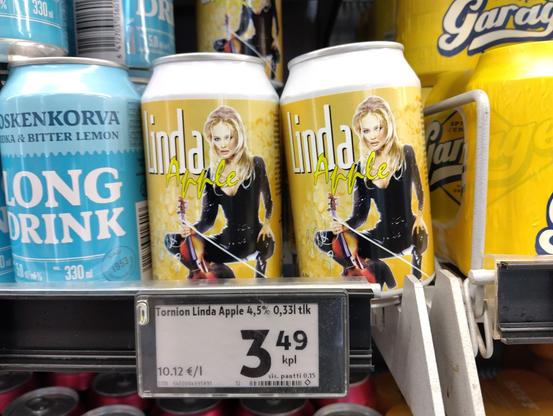
Lähimarketissa oli blast from the past:

Linda-siideri.

Miten ja miksi sitä on nytten markkinoilla kuten joskus silloin, öööö, kolkäät vuotta sitten?

Oli niin karmeen makeeta sotkua silloin, etten kyllä aio maistaa nykymaailman versiota.

#LindaSiideri #LindaApple #LindaLampenius #Lampenius #LindaBrava #siideri #sidu #sidukka #alkoholi #kyykkyviulu #viulu #viulisti #musiikki

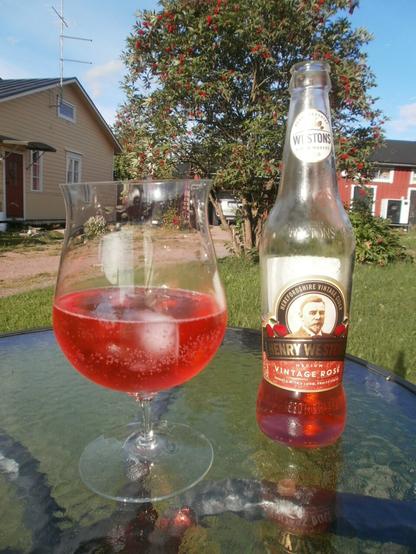
#Nimipäivä n vintage rosé #siideri oman pihan rauhassa.

Ja nim. om rauhassa.

Meijjen tontilta - kaikki muut poissa. Toisen puolen tontilta - kaikki poissa. Toisen puolen tontilta kahdet poissa, yhdet paikalla hissuksiin sisällä.

AAAAAAAAAAAAAH!

#pihaelämää #rauha #hiljaisuus #autuus #sidu #sidukka #nimpparit

#SIDU 5/5

So how does this work during actual execution? How do Iterator methods "know" to do shortcuts, and how is this comunicated across method calls?

#SIDU 4/?

In the instant case, `neighbors()` only returns four elements. But what if it was 100K elements? Does the Iterator have to loop 100K times before `choose()` gets called?

Now, "obviously" that is not what is happening, because that would be monstrously inefficient. But in order for that to *not* happen, it seems to me that `choose()` needs to somehow "reach back" to the previous method and tell the Iterator, "Look, you don't need to loop over everything; just give me element N."

#SIDU 3/?

neighbours (origin, size).into_iter().choose (&mut self.rng)

The way my C-brain interprets this is that the current method can't do its work until the previous method has fully completed. This means that `choose()` can't pick something until the Iterator has looped over all array elements returned from `neighbors()`.

#SIDU 2/?

Consider the following fragment, which I hunted down after watching a YooToob video (I really wish Mastodon supported Markdown):

https://github.com/olafurw/poke-fighting-rust/blob/e74ec08821c6bb8097431fe3d2cec89673f7fd3a/src/battle.rs#L117

neighbours (origin, size).into_iter().choose (&mut self.rng)

`neighbors()` return an array, which is converted into an Iterator, which is then fed into the `choose()` method which, in this case, picks a random element from the array.

poke-fighting-rust/src/battle.rs at e74ec08821c6bb8097431fe3d2cec89673f7fd3a · olafurw/poke-fighting-rust

Application that simulates a large grid of Pokémon types fighting each other. - poke-fighting-rust/src/battle.rs at e74ec08821c6bb8097431fe3d2cec89673f7fd3a · olafurw/poke-fighting-rust

GitHub

#SIDU (Stuff I Don't Understand) 1/?

Today's thread of unknown length concerns iterators in Rust. If you know a Rust wizard, please bounce this off them.

Rust seems to *really* want you to use Iterators. If you're looping over a collection of items, the language and standard library really want you to express it as an Iterator so that you can use all the cool Iterator methods on it.

But as a guy who's been writing C for decades, I don't understand how this works at a machine level.