Learning Without Self-Loathing

Cliff Potts, editor-in-chief, WPS News
Baybay City, Leyte, Philippines — May 16, 2026 — 4:05 p.m.

At some point, the focus shifts from “How did this happen?” to “What patterns were missed?”

That shift is not shame. It is maturity.

Online extraction does not succeed because people are unintelligent. It succeeds because people want connection. Hope is not stupidity. Openness is not weakness.

But hope without structure creates risk.

The warning signs are consistent:

Speed before trust.
Urgency before verification.
Money before commitment.
Emotion before reality.

When those signals appear, the correct response is not outrage. It is adjustment.

Healthy adults do not need to confess weakness to grow. They need to recognize patterns and refine standards.

Ownership does not require humiliation.

It simply means acknowledging that red flags were visible — and choosing not to ignore them again.

No one controls who runs a script. No one controls who monetizes attention. What can be controlled is pace, boundaries, and verification.

Slow is safer than fast.
Clarity is safer than urgency.
Reciprocity is safer than intensity.

Experience becomes valuable when it leads to firmer standards.

Discomfort is information.
Pressure is information.
Sudden escalation is information.

The lesson is not “never trust.”
The lesson is “trust deliberately.”

There is a difference between being generous and being unguarded.

Generosity is strength.
Unguarded urgency is risk.

Learning does not require public self-punishment. It requires adjustment.

Adjustment is power.

#Accountability #boundaries #digitalCulture #emotionalResilience #onlineDating #personalGrowth #scamAwareness #selfProtection


#ScamAwareness pro-tip:

You don't win contests you didn't actually enter.

All these spam emails I've been getting lately that say I'm a winner must mean a bunch of other people are getting them too.

No, you didn't win a Yeti cooler from Lowes. Nobody is winning one because it's a scam.

#Fraud #Scams #InternetSecurity

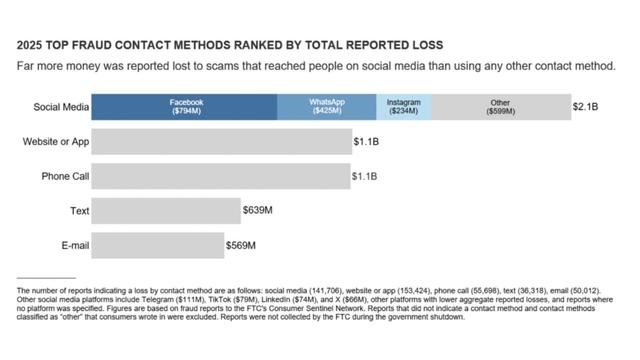
FYI: Social media scams cost Americans $2.1B in 2025, FTC finds: The FTC reports Americans lost $2.1 billion to social media scams in 2025, an eightfold rise since 2020, with Facebook ranking as the costliest single platform. https://ppc.land/social-media-scams-cost-americans-2-1b-in-2025-ftc-finds/ #SocialMediaScams #FTC #CyberSecurity #OnlineSafety #ScamAwareness
Social media scams cost Americans $2.1B in 2025, FTC finds

The FTC reports Americans lost $2.1 billion to social media scams in 2025, an eightfold rise since 2020, with Facebook ranking as the costliest single platform.

PPC Land

The Script: How Online Romance Extraction Works

Cliff Potts, editor-in-chief, WPS News
Baybay City, Leyte, Philippines — May 2, 2026 — 4:05 p.m.

It usually begins the same way.

Fast affection.
Instant connection.
Future promises in the first week.

“You’re different.”
“I feel safe with you.”
“I want to visit.”

Speed is the first clue.

Real relationships build slowly. Extraction builds quickly.

Then comes the first request.

“I just need help with the plane ticket.”
“Once I arrive, we’ll start our life.”

If you send the first $500, the script advances.

There is always an emergency.

A hospital visit.
A visa problem.
Customs fees.
A frozen account.

The details change. The pattern does not.

If you hesitate to send more money, the tone shifts.

Affection turns to pressure.
Pressure turns to guilt.
Guilt can turn to anger.
Sometimes even threats.

That emotional flip is not romance. It is leverage.

At this point, you are no longer in a relationship. You are in an operation.

The escalation can continue.

You may be asked to receive money on their behalf.
To collect a transfer.
To resend it somewhere else.

That is not help. That is recruitment.

Scam networks use intermediaries to move stolen funds. Once your name appears on a transfer, you become the visible link in the chain. What began as flattery can end as legal exposure.

The reason this works is not stupidity.

It is hope.

Lonely people want connection. Grieving people want comfort. Widowers want reassurance that life is not finished.

The script is built around that pressure point.

Here are the simple rules:

If money appears before trust, stop.
If urgency replaces patience, stop.
If identity cannot be verified, stop.
If the tone changes when payment stops, walk away.

You do not need to argue.
You do not need to explain.
You do not need revenge.

You only need to exit.

Understanding the script removes its power.

Silence feeds extraction. Clarity breaks it.

#digitalRelationships #financialExploitation #onlineFraud #onlineSafety #romanceScams #scamAwareness #socialTrust #widowers

How to Protect Yourself from Scammers and Thieves at an ATM

Staying safe while using an ATM is more important than ever. Whether you’re withdrawing cash in Downtown Raleigh or at a neighborhood bank, scammers and thieves are constantly finding new ways to target unsuspecting users.

Here’s a practical, easy-to-follow guide to help you protect yourself and your money.

🚨 Common ATM Scams to Watch Out For

Understanding the risks is the first step in staying safe.

  • Card Skimming Devices – Hidden devices placed over card slots to steal your card information
  • Shoulder Surfing – Someone watching you enter your PIN
  • Cash Trapping – Devices that block cash from dispensing so thieves can grab it later
  • Fake Assistance Scams – Someone offering “help” while secretly stealing your information
  • Phishing & Text Scams – Messages pretending to be your bank asking for sensitive info

🔐 ATM Safety Tips Everyone Should Follow

1. Choose the Right ATM

  • Use ATMs located inside banks or well-lit, high-traffic areas
  • Avoid machines in isolated or poorly lit locations

2. Inspect the Machine

  • Check for anything unusual on the card slot or keypad
  • If something looks loose, bulky, or tampered with—don’t use it

3. Shield Your PIN

  • Always cover the keypad with your hand while entering your PIN
  • Be aware of anyone standing too close

4. Limit Your Time

  • Complete your transaction quickly
  • Don’t count your cash at the machine—wait until you’re in a safe place

5. Stay Alert

  • Trust your instincts—if something feels off, leave immediately
  • Avoid distractions like using your phone while at the ATM

💳 Protect Your Card & Information

  • Set up bank alerts for withdrawals and suspicious activity
  • Regularly monitor your account statements
  • Use contactless or mobile payments when possible
  • Never share your PIN or banking details with anyone

🚫 What to Do If You Suspect Fraud

If something doesn’t seem right:

  • Cancel your transaction immediately
  • Contact your bank right away
  • Report the issue to local authorities if necessary
  • Freeze or lock your card if fraud is suspected
  • 📍 Stay Safe Around Raleigh

    With busy shopping areas like Crabtree Valley, Cary, Downtown Raleigh, and local shopping centers, ATMs are everywhere—but so are potential risks. Staying aware and taking a few simple precautions can make all the difference.

    ✅ Final Thoughts

    ATM scams can happen fast, but protecting yourself is simple with the right habits. Stay alert, protect your information, and always prioritize your safety when accessing cash.

    Follow DoRaleigh.com for daily updates on government meetings, local festivals, and community happenings — your one-stop guide to everything Raleigh!

    Post your community News, Events, on our Submissions Page. If you interested in Advertising click here.

    Follow Us: Instagram | Facebook | BSky | Linkedin

    #ATMSafety #ATMScams #bankingSecurity #DoRaleighSafetyGuide #financialTips #fraudPrevention #IdentityTheft #News #personalFinanceSafety #RaleighSafetyTips #scamAwareness

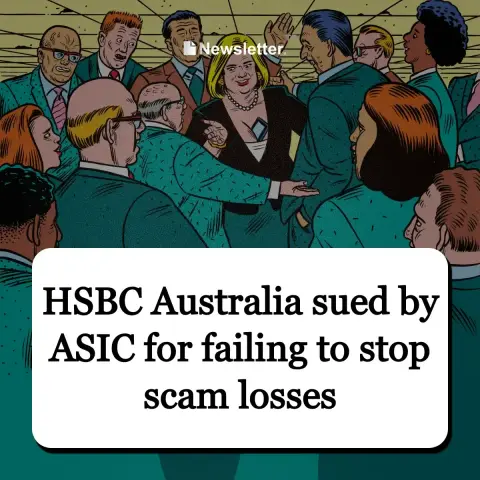
    Institutional Inertia: HSBC Faces Legal Reckoning

    ASIC is suing HSBC Australia for not protecting customers from scams. Many lost savings. What happens next?

    #HSBCScam, #ASICAustralia, #BankingFail, #CustomerLoss, #ScamAwareness

    https://newsletter.tf/asic-sues-hsbc-australia-scam-losses/

    HSBC Australia is being sued by ASIC for failing to stop scam losses. This is a serious legal action against the bank.

    #HSBCScam, #ASICAustralia, #BankingFail, #CustomerLoss, #ScamAwareness
    https://newsletter.tf/asic-sues-hsbc-australia-scam-losses/

    HSBC Australia sued by ASIC for failing to stop scam losses

    ASIC is suing HSBC Australia for not protecting customers from scams. Many lost savings. What happens next?

    NewsletterTF

    It's not the government, it's scammers! Please share this: to protect everyone's safety, don't respond to text messages, social media messages, or phone calls claiming to be from or to be working for a government agency. Please share this to raise awareness so they don't become one of the 110+ million people in America (about 41% of American adults), as AARP reported.

    👉🏻 https://www.joshiesworld.com/its-not-the-government-its-scammers/

    #Warning #Awareness #Scam #ScamAwareness #ScamAlert #Safety #Share

    It's not the government, it's scammers! | JoshiesWorld

    The text messages, and the calls that you get claiming to be a government, a government agency, or working for the government - it's scams!

    JoshiesWorld
    FYI: Scammers don't target who you think - what 28.6 million signals reveal about age: A Google.org-backed study of 28.6 million fraud signals overturns the idea that older adults are most at risk online. Here is what the data actually shows about age and scams. https://ppc.land/scammers-dont-target-who-you-think-what-28-6-million-signals-reveal-about-age/ #ScamAwareness #FraudPrevention #OnlineSafety #CyberSecurity #AgeAndScams
    Scammers don't target who you think - what 28.6 million signals reveal about age

    A Google.org-backed study of 28.6 million fraud signals overturns the idea that older adults are most at risk online. Here is what the data actually shows about age and scams.

    PPC Land
    Scammers don't target who you think - what 28.6 million signals reveal about age: A Google.org-backed study of 28.6 million fraud signals overturns the idea that older adults are most at risk online. Here is what the data actually shows about age and scams. https://ppc.land/scammers-dont-target-who-you-think-what-28-6-million-signals-reveal-about-age/ #ScamAwareness #FraudPrevention #OnlineSafety #CyberSecurity #AgeDemographics
    Scammers don't target who you think - what 28.6 million signals reveal about age

    A Google.org-backed study of 28.6 million fraud signals overturns the idea that older adults are most at risk online. Here is what the data actually shows about age and scams.

    PPC Land