 Advocate.com [Unofficial]
All about the first National March on Washington for Lesbian and Gay Rights
https://fed.brid.gy/r/https://www.advocate.com/history/first-national-march-washington-1979
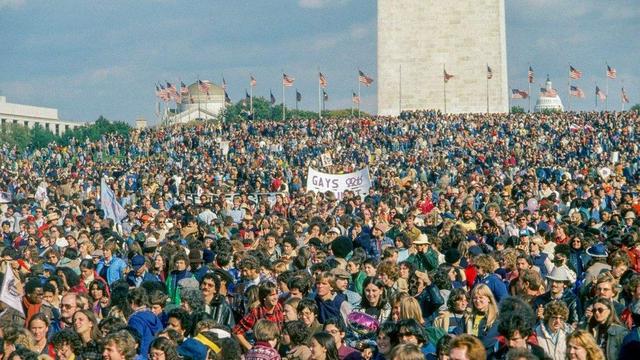
All about the first National March on Washington for Lesbian and Gay Rights
https://fed.brid.gy/r/https://www.advocate.com/history/first-national-march-washington-1979
LOCAL MOVIE CELEBRATES THE QUEER HISTORY OF CANADA
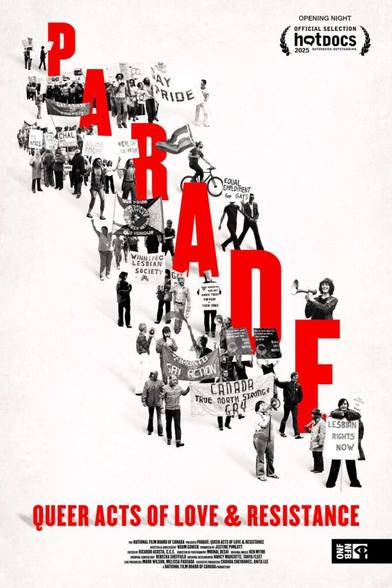
Parade: Queer Acts of Resistance is an unflinching documentary which charts the rise of Canada’s 2SLGBTQIA+ rights movement through first-person testimony. Princess Twin Cinemas had one showing of the film on July 7 at 7 p.m. Rare archival footage of riotous acts and revolutionary drag shows is shown.
“I remember reading about the gay activists in 1969, with the Stonewall riots, and thinking that was like me,” Richard Fung, a queer video artist who was interviewed in Parade and founder of Gay Asians of Toronto, said.
It can be heart-breaking to see the parallels of a desperate need for social advocacy from the 1960’s to the modern day. Over 50 years have passed and yet some footage and sentiments expressed by the subjects remain true. In 1971, Toronto Gay Action and WeDemand organized the first national protest march in Ottawa. They wrote a document which listed the grievances of the queer community against parliament.
“Homosexual men and women in Canada are fed up with being the butt of other people’s jokes. We are fed up with the lack of basic human respect due to all human beings,” Charlie Hill, a WeDemand activist, said.
As a queer journalist, I found the most importance in learning about how 2SLGBTQIA+ matters were reported on in The Body Politic, a magazine written by queer people for queer people. It achieved a reputation nationally that was very rare for smaller publications in those days. They covered stories of people who were being arrested in bathrooms, at their jobs and out on the streets.
“But I think Bill C-150 actually dramatically changed the conversation. From something that was the love that dared not speak its name to something that was on television,” Tim McCaskell, a gay writer said.
With Super 8 footage interspliced with commentary from people who were in the marches, Parade is a very riveting film that both educates and empowers. It covers the way queer people were pushed from out of the closet into the streets.
“Lesbian organizations were popping up all over the country. And it was a time where we needed to separate from gay men, because the fight we were fighting felt very different as women and as feminists,” Robin Tyler, a lesbian comic, said.
The film continues its relevancy as it speaks about a Right-Wing American activist named Anita Bryant, who openly spoke out against the rights of queer teachers. Many Canadian queer activists were outraged at her coming to Toronto to speak, as they were worried of the influence the United-States politics would have at home. I found it poignant when the editorial staff of The Body Politic green-lit an article called “Men Loving Boys Loving Men,” which led to the Toronto Sun writing a scathing article on the contrary.
“It’s not the sort of thing that I want the homosexual groups to get into the schools, which is really the main area they want to get in, they’ll tell you this themselves and preach their gospel of homosexuality to impressionable kids. I don’t want that to happen,” Claire Hoy, a Toronto Sun journalist, said in Parade.
The part of the movie which spoke to me the most was section called “Hello Here I Am.” It focused on the lives and actions of queer Black and Brown people in Toronto. The young activists of the 1980s were rallying against police action after “Operation Soap” and the bathhouse raids took place. This was the catalyst for the visible and predominantly white queer community to start working with the Black and Racialized communities of Toronto in solidarity against police brutality.
“It was the first organization that was specifically looking at people who are not white. You know ‘If you’re white, you’re right. If you’re brown, turn around.’ There just was no space for people of colour,” Tony Souza, an organizer for the Bathhouse Raids Demonstration, said.
The film is a love letter and tribute to the elders and activists that paved the way for 2SLGBTQIA+ people today. The Director Noam Gonick captures a gritty look at Canada after the 1969 Amendments and the decriminalization of homosexuality.
#2SLGBTQIA_ #billC150 #Canada #claireHoy #dragShows #feminists #gayActivists #Ottawa #paradeQueerActsOfResistance #PrincessTwinCinemas #robinTyler #theBodyPolitic #torontoGayAction #wedemand
 The Community Edition