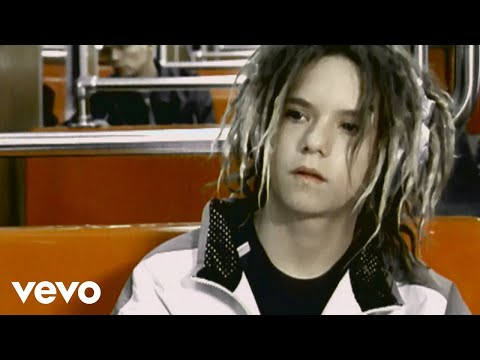
Sting Sings “Fortress Around Your Heart”

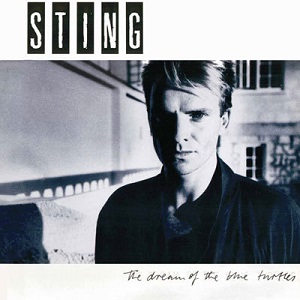
Listen to this track by former Police bassist, songwriter, and singer turned exploratory solo artist Sting. It’s “Fortress Around Your Heart”, a smash single of a deeply personal nature taken from his 1985 debut under his own name The Dream of the Blue Turtles. This cut was the record’s third single in the UK, and the second in the States. Overall, it was his second number one charting song as a solo artist on Billboard’s Top Rock Tracks chart. Added to the success of two other singles, things were off to a pretty good start for Sting outside of his former band.

The results he won were significant, if not entirely surprising. Sting was a welcome and familiar presence on the radio and on MTV’s video flow at the time. This had been mostly in the context of The Police who scored their highest sales and best reviews only a couple of years before with the landmark Synchronicity album and its ensuing tour. This culminated in an historic appearance at Shea Stadium by the summer of 1983 in front of seventy-thousand fans. That’s Beatle-sized success right there. So, the best thing to do was to keep it all going.

Right?

Sting?

Well, on paper, sure. This was but for an actual dream Sting had of enormous blue turtles invading his garden; bursting out from holes in the walls, doing backflips, and generally making a mess of things. His subconscious was trying to tell him something—or at very least it sparked a great hook for press releases. The retelling of this dream from which the record gets its title was at the forefront of interviews at the time. This stood to reason as the question hung in the air. The Police had been the biggest act on planet Earth. Why he would take such a sharp left turn from the prescribed pop music path to further success that was practically guaranteed with The Police?

Undoubtedly, there were personal reasons for doing this as well as artistic ones. As successful as they were, The Police was not an easy band to be in. All three members have acknowledged that at length by now. And besides that, there really is something to be said for going out on top. The Police definitely did that. As for the creative reasons beyond all that, the impulse to tear up one’s carefully manicured artistic garden in favour of sowing a bit of chaos instead is a pretty rock ‘n’ roll move—as long as it works! To help ensure it would, Sting decided to make a few changes to his approach.

By 1985, pop music was becoming increasingly compartmentalized across both stylistic and racial lines. So first, to buck the system on two different fronts, he hired prominent Black American jazz and fusion musicians to back him up on the record and on tour. The new band included Kenny Kirkland on keyboards, Branford Marsalis on saxophones, and Omar Hakim on drums. Vocalists Janice Pendarvis and Dolette McDonald joined the group as well, the latter of whom having accompanied The Police on the aforementioned Synchronicity tour of the previous two years.

Second, he largely handed bass duties to former Miles Davis sideman and future Rolling Stones hired gun Darryl Jones, another key member of the new band. Sting became the guitarist instead. This subtle instrumental shift helped him serve an essential factor particular to a lead singer of a popular band striking out on his own; a unique sound to separate his past work from his present.

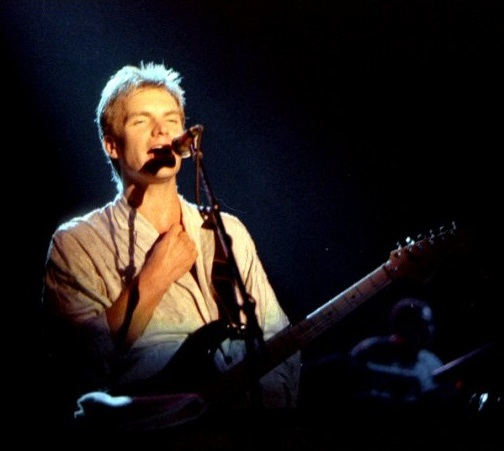
Sting on stage in Norway, November 21, 1985. image: Helge Øverås

Third, instead of trying to stick to a strict pop rock template, Sting went back to where he came from stylistically. His previous band to The Police was the fusion outfit Last Exit based in his hometown of Newcastle in the days before he decided to go to London to see what all the punk rock fuss was about. With those aforementioned American jazz musicians being first-rate purveyors of the styles Sting was interested in exploring, they all laid the groundwork to planting a new kind of artistic garden together. They recorded the album in Barbados and then took it on tour.

Even with a new approach in place, there were still a few stylistic markings left over from The Police. After all, it was in that band that he came into his own as a singer and writer over eight years as a group. You can hear those influences in “Fortress Around Your Heart”, particularly in terms of atmosphere. The shadowy psychological angles found in the lyrics are of the same variety as the ones Sting explored since at least the Ghost in the Machine era. Saying that, there is another facet of his past that can be found in this tune that makes it an important statement in his catalogue of songs even today.

While he was in The Police, Sting’s first marriage ended. This was difficult enough to navigate without his obligations to millions of fans and steeple-fingered record label executives who all expected him to continue as an untouchable pop avatar. “Fortress Around Your Heart” is an expression of that troubled time and emotional landscape, full of metaphor and symbolism equal to anything on Synchronicity. Today, it remains to be one of the most personally revealing songs he ever wrote. With all of the risks he took in leaving The Police behind and going in what was considered to be an unexpected direction, “Fortress Around Your Heart” represents a risk of another kind.

Sting initially described this song as one of appeasement, of trying to meet someone half-way to keep a connection with them alive. But the language of protection in the chorus begins to blur with allusions to prisons in the verses until “Fortress Around Your Heart” becomes a song about confinement instead. Both parties involved are encircled in trenches and barbed wire, walking through minefields of their own making and trapped inside of oppressive architecture that undoes all of the good intentions they have to stay connected. This song is a desperately sad expression of all that, and all too real as a reflection of what can happen in a marriage despite the love that so often remains even when one ends.

In the meantime, “Fortress Around Your Heart” shines instrumentally. Branford Marsalis’ pleading soprano saxophone lines throughout provide an additional voice to embody the reflective and profound sadness that Sting’s lead vocal conveys lyrically. The track certainly wins in terms of pure atmosphere and emotional tone that seems to embody resignation as much as regret and sadness. Overall, the song reflects the artistic signature of its writer with incredible precision. It complemented the familiar sonic landscapes established with The Police with the new directions Sting was taking by 1985. Together with the whole of the album, it met and exceeded all expectations on those fronts, and on others besides.

As big a solo artist as he would become for the rest of the decade and onward, going solo at the time he did was very risky. With the success of The Police, Sting had to match the potential of that success right out of the box, which was no small task. But the bravest thing when it comes to this song is in revealing his own faults, missteps, and personal regrets that present a unique level of openness. In a profound way, this song that served as a hit single embodied a kind of personal liberty in more than one sense. The song that tells a story about thick walls and barriers also reveals that they could not contain the storyteller for very long as he sings of them. On another level, with the success of this song and the album Sting was free to go his own way.

For more background on Sting’s artistic journey during this post-Police and early solo period, check out this page on his website, sting.com

And for a fuller portrait of Sting and his band around the time of the album and the shows to support it, check out Michael Apted’s 1985 documentary and concert movie Bring on the Night. Check out the trailer for that film right here.

Enjoy!

#80sMusic #radioHits #songsAboutBreakingUp #Sting #ThePolice
♬️ BLOW THE WHISTLE: 2000s HIP HOP PARTY at DNA Lounge tonight: Fri Feb 13, 9:30pm!
https://www.dnalounge.com/calendar/2026/02-13.html?utm_source=sp_ma
#dnalounge #blowthewhistle #pauz #hiphop #radiohits #sanfrancisco

Tears for Fears Play “Break it Down Again”

Listen to this track by anthemic and inward-looking pop song hitmakers Tears for Fears. It’s “Break it Down Again”, a single from the 1993 record Elemental, the fourth release under the Tears for Fears name. That album was a return to the world stage to follow up 1989’s highly successful Sowing the Seeds of Love. However, a lot happened since that release to redefine the band for a new decade.

By this time, Tears for Fears was a vehicle for band co-founder Roland Orzabal’s solo work, and not as a duo. His fellow band founder, vocalist and bassist Curt Smith, had left the group by 1991. Orzabal, who had always done the lion’s share of the songwriting, carried on with the help of writing and production partner Allan Griffiths and studio musicians, with sessions at Orzabal’s then recently established home studio Neptune’s Kitchen where he could play with ideas and lay down tracks at his leisure.

The Elemental album found Orzabal as artistically bold as ever as he continued to evolve the Tears for Fears sound. Re-invention from one record to the next had always been par for the course. Their debut album, The Hurting, is an amalgam of bedsit post-punk meets confessional folk rock. Songs From the Big Chair is a straight ahead mainstream rock radio affair aimed directly at stadium crowds. Sowing the Seeds of Love is Beatlesque while also going deeper into more soulful musical territory in part thanks to their collaboration with singer Oleta Adams.

All the while and at every stage, the band’s music still sounds like Tears for Fears. Change had been no big deal. But with Curt Smith’s departure, the conditions were uniquely challenging on a more personal level. Along with financial issues with management happening at the same time, the situation was enough to get Orzabal thinking about what he’d built up as an artist and what he needed to examine and deconstruct into essential elements to move forward.

The album title Elemental was a reflection of that necessary process, which made “Break it Down Again” a natural flagship song. The single’s sleeve included a visual reference to their previous record, with the flowers which the sown seeds of love produced now wilted and cradled in Orzabal’s arms; a symbol for the beauty of decay referenced in the lyrics, but also perhaps the state of his own heart.

With that said, Orzabal continued to develop the sound for which his band had become known, drawing from what had come before to help get him there. Some of the elements of the past are distinctly in place on “Break It Down Again”, anchored in large part by his own strong lead vocal at its center. Some of the Beatles’ influence is still here too, particularly with the military snare and operatic chorus in the intro. The latter sounds like a radio sample, suggesting a kind of dreamlike Magical Mystery Tour effect. The cellos throughout the song underscore that as well.

Meanwhile, Orzabal was aware of new movements and stylistic elements happening at the time. He incorporated textures and rhythms from modern R&B here, too, with a looped percussion line in the background that suggests an inspiration from early-Nineties dance tracks like “I’ve Got the Power” by Snap!. Orzabal and his production and writing partner Allan Griffiths make sure not to appropriate any of these disparate elements wholesale. Instead, they’re blended in until – as always and once again – the whole song sounds like a Tears for Fears record.

In many ways, Elemental is a thematic callback to the first Tears for Fears record inspired by readings of Arthur Janov’s Primal Scream. It’s also a continuation of those same themes found in their subsequent hit single “Shout”. These earlier songs center around childhood trauma as it affects people in adulthood. The principles in this newer song are the same; that waste seeps underground in our psyches as we hide from the truth of our unprocessed experiences and emotions.

It’s in the way you’re always hiding from the light
See for yourself, you have been sitting on a time bomb
No revolution, maybe someone, somewhere else
Could show you something new about you and your inner song
And all the love and all the love in the world
Won’t stop the rain from falling
Waste seeping underground (Break it down again)
I wanna break it down …

~ “Break it Down Again” by Tears for Fears

Although Orzabal minimized the significance of his musical partner leaving the group they founded together at the time, the emotional tumult that came out of those circumstances certainly had an effect on how this song and others on the new record came out. The bitterness and anger in songs like “Cold” and, particularly, “Fish Out of Water” starkly reflect Orzabal’s state of mind during a trying time of which the breakup was only one part. Those lyrics about sitting on a time bomb are as much about Orzabal as they are about anyone hearing him sing them.

Perhaps writing angry songs was as much a part of a healing process as any song on the record. But “Break it Down Again” feels like it’s coming from a place that’s further along in the journey. In its exploration of deconstructing harmful emotional architecture, it manages to be the most constructive and life-affirming track on the record. It’s a song of resolution to face up to the truth of a situation and take what one can from it to move on. It’s about healing and recovery, and of being resilient enough to reinvent your life after experiencing traumatic events and life-altering conflicts.

Orzabal made good on that resolution by continuing in his career trajectory as the sole permanent member of Tears for Fears. He put out Raoul and the King of Spain by 1995; a set of songs that explore his origins and family background. Luckily, by the early 21st century, Roland Orzabal and Curt Smith reconciled their differences and rekindled their friendship after nearly a decade apart. Not only that, they reformed the band as a duo with 2004’s comeback record Everybody Loves a Happy Ending sealing the deal to make it official.

That title rings true, of course, especially when that happy ending was so hard won and well-earned.

Tears for Fears is an active band today with Roland Orzabal and Curt Smith still well-established as its core and (notably) with “Break it Down Again” still a staple in their live sets. You can learn more about their history and more recent activities at tearsforfears.com.

In 2024, the band released a concert film after the release of their The Tipping Point album in 2022. You can watch the trailer for that movie right here.

Enjoy!

#90sMusic #radioHits #songsAboutHealing #TearsForFears

♬️ Just announced: Fri Feb 13, 9:30pm: BLOW THE WHISTLE: 2000s HIP HOP PARTY
https://www.dnalounge.com/calendar/2026/02-13.html?utm_source=sp_ma
#dnalounge #blowthewhistle #pauz #hiphop #radiohits #sanfrancisco

Stevie Nicks Sings “Edge of Seventeen”

Listen to this track by shawl-spinning Fleetwood Mac Maven and singer-songwriter of great renown Stevie Nicks. It’s “Edge of Seventeen”, her epic solo single that appears on 1981’s Bella Donna. That album was her debut record as a solo artist, and one that would return dividends for literally years after it came out. Amazingly, it remained on the Billboard 200 until 1984. For a record that made such a big impact, it was one that emerged in increments, with sessions planned piecemeal around the same time as her band, Fleetwood Mac, was cutting their 1979 double album Tusk.

The songs that appeared on the Bella Donna record, with at least two others besides this one that became big hits of the era, were sourced from earlier material Nicks wrote. She’d worked up some of that material even before she became a member of Fleetwood Mac in 1975. “Edge of Seventeen” was a relatively new song, capturing where her head was at by the turn of the decade. In preparation for her solo debut and while she was involved in the Tusk sessions, Nicks cut demos of the material and presented them to musicians that producer Jimmy Iovine gathered together. These players included E Street Band member Roy Bittan who lays down the big dramatic piano chords that help to give this song such a cinematic scope. Heartbreaker Benmont Tench fills out that same effect on organ.

Another musician who helped to make “Edge of Seventeen” a classic is guitarist Waddy Wachtel who had a Fleetwood Mac connection himself. He’d been an integral part of Warren Zevon’s “Werewolves of London” session along with Mick Fleetwood and John McVie on drums and bass guitar respectively. On this song for Nicks, Wachtel would craft the tensely rhythmic sixteenth-note guitar motif for which it’s known. Unbeknownst to Wachtel himself, evidently, the riff is very similar to the one on The Police’s “Bring on the Night”, in part thanks to an identical set of chord changes. In 2000, Destiny’s Child would sample that same riff for their “Bootylicious” single. Talk about a well-traveled and era-spanning guitar part!

In the meantime, Stevie Nicks put her considerable songwriting skills into this cut which would provide a signature hit for her. Importantly, it would help to establish Nicks as a creative force on her own apart from Fleetwood Mac just in time for a new decade and new musical era. She pulled the song’s lyrics from disparate sources. One was a misheard phrase from Tom Petty’s first wife who had a strong southern accent (“we met at the age of 17”), to a restaurant menu in Phoenix Arizona that referenced the local white-winged dove who “sings a song that sounds like she’s singing: ooh, ooh, ooh.

Stevie Nicks circa 1980. image: Awil916

Other inspirations for the song held greater gravity, with John Lennon’s murder being one, and Nicks’ dying uncle being another. The lyrics don’t tell either story in any overt way. What’s in place instead is Nicks’ penchant for powerful symbolism to put across feelings and moods rather than specific events. The arrangements lock into this, with Waddy Wachtel’s aforementioned guitar part creating an almost palpable ticking clock-like tension that is integral to the overall effect of the song.

That part goes along with the lyrical evocation that suggests the fragility of life as it teeters on the edge of death, along with the tenuous nature of innocence in such a world where anything can happen at any time. Heavy stuff for a pop song, but also very resonant on an instinctual level for listeners, which is one of the song’s great strengths.

The clouds never expect it when it rains
But the sea changes colours
But the sea does not change
So with the slow, graceful flow of age
I went forth with an age old desire to please
On the edge of seventeen …

~ “Edge of Seventeen” by Stevie Nicks

As great as the instrumentalists are on this song, it’s the author’s own vocal performance that conveys all that. Stevie Nicks’ distinctive voice – a sultry, throaty texture that’s full of sex and danger – is perfectly cast in a song that evokes feelings of fear, youth, age, heartbreaking loss, and the will to overcome all at once. It’s a song that suggests the feelings of wonder and also of being overwhelmed with too much experience to manage all at once, with some in our lives who weather those conditions better than some others; some retaining their resolve while others fall.

Again, none of these ideas are conveyed in a straightforward, hard-coded narrative. It’s the feelings, the impressions of experiences that count the most here. The emotional content of this song had been true for Stevie Nicks who was in the eye of a particularly tempestuous storm at the time she wrote it. But it’s true for we listeners, too, who are left with a set of residual emotions that tell us something about the human experience of seeking out meaning in our lives and finding it to be elusive, especially at times of loss.

That’s another of this song’s strengths of course; that it connects with a kind of universality about the way our existence sometimes feels to us in the depths of our souls, hard to pinpoint and express with any precision. As a song rife with imagery, it mixes sorrow and unease with defiance and the hope for dawn even when things seem at their darkest. In a space like that, and when it comes to powerful emotions, it’s at times like these that, truly, nothing else matters.

Stevie Nicks is an active artist today, having enjoyed hit songs while in Fleetwood Mac and as a solo artist.

You can connect with new releases, tour information, and social media profiles at stevienicksofficial.com.

For more on Stevie Nicks’ Bella Donna album and specifically about “Edge of Seventeen” and how it retains every bit of its intensity and ability to reach audiences of every generation over four decades and counting, check out this 2021 article from the BBC.

Enjoy!

#80sMusic #radioHits #singerSongwriters #songsAboutLoss #StevieNicks

Wheatus Play “Teenage Dirtbag”

Listen to this track by former high school metalheads turned radio-friendly chart champions from New York, Wheatus. It’s “Teenage Dirtbag”, their signature hit as taken from 2000’s self-titled release. The song made an international splash when it was released as a single in the summer of that year, scoring top ten placements in regions from North America, to the UK, to Australia as a rallying cry to teenage dirtbags everywhere, former and otherwise. As it turned out, the theme was pretty universal.

“Teenage Dirtbag” is a compelling story song about young love, bullying rivals, feelings of invisibility, and also how young people (and people in general!) so often misjudge each other due to outward appearances. That’s the main takeaway here on this song; that just because you think that person doesn’t even know you’re alive, it doesn’t mean it’s true and that they also aren’t into the same kickass music you’re into. As it turns out, sometimes you don’t know they’re alive in quite the way you thought, and to discover that they are is its own reward. So, this is a tale of insecurity that ends pretty happily.

Saying that, “Teenage Dirtbag”‘s sunny sheen actually came from a source that was much, much darker and very much a product of the times – the early 1980s, that is.

For kids in the 1980s, the way people dressed defined their identities to a polarizing degree and often along musical lines. This was the age when you couldn’t publicly like Duran Duran and AC/DC. You had to choose. This certainly included costuming associated with musical genres and their proponents, also pretty evenly aligned with one’s own perceptions of one’s own identity; a prep, a punk, a new waver, a dirtbag, etc. Among hormonal teens, trying to work out one’s identity by way of outward indicators and role models in pop culture only stood to reason. That’s a teenager’s job; to figure out who they are and who they’re going to be.

But unfortunately at that time, musical genres, imagery, and costuming as they shaped youth culture had implications beyond the social ecosystem of high schools. Some of that spread to senate hearings, public policy, court appearances, and news coverage. Gender fluidity and questions of sexual orientation presented by Culture Club, Eurythmics, Frankie Goes to Hollywood, and other bands aside for a moment (a whole other thing!), it was primarily heavy metal music and hard rock that were (literally!) demonized in the press. This was in no small part due to Evangelical Christianity’s rise in political power under Ronald Reagan and the influence that had on public discourse when it came to so-called morality in popular media.

This was during the beginnings of a period now known as The Satanic Panic; a series of baseless conspiracy theories about widespread devil worship in part associated with the music and imagery of bands like Ozzy Osbourne, Judas Priest, and yes, Iron Maiden, among many others. Musicians and songwriters actually ended up in court as parent groups and other axe-grinders tried to make names for themselves by reflexively linking the influence of heavy metal music to cases of teen suicide and supposed ritual murder. A lot of these same conspiracies persist today in various forms. But from the early to mid 1980s, they routinely made mainstream headlines.

It was an early memory of this period that served as the initial reason that Wheatus creative head Brenden B. Brown wrote “Teenage Dirtbag”. Interviewed by thebrag.com, Brown said:

“It came from the summer of 1984 on Long Island, when I was 10 years old. That summer in the woods behind my house, there was a Satanic, drug-induced ritual teen homicide that went down; and the kid who did it was … wearing an AC/DC t-shirt. That made all the papers, and the television, obviously; and here I was, 10 years old, walking around with a case full of AC/DC and Iron Maiden and Metallica – and all the parents and the teachers and the cops thought I was some kind of Satan worshipper.”

-Brenden B. Brown, thebrag.com (Read the whole article)

So, what’s an Iron Maiden-loving kid supposed to do in that environment? What was it like for a child to be perceived as some kind of mindless adherent to a demonic conspiracy? That, or to be thought of as morally pliable and easily led, susceptible to being drawn into some unspeakable act of violence? What happens to a kid’s sense of self, fragile as it is, when tarred with that horrendous brush and placed under constant suspicion by the adult world?

By the time Brown wrote the song in time for its release in 2000, he had an adult’s perspective on what fueled that hostile media environment; the usual suspects of prejudice, ignorance, and fear. This is not to mention the disingenuous intentions around issues that had no real basis in fact but provided plenty of exposure on national and even international stages for people to build reputations for themselves.

Wheatus frontman Brendan B. Brown performing with the band in 2015. image: Jo Reeve.

One of the great things about “Teenage Dirtbag” is that it took that set of negative childhood experiences and turned it into something truly life affirming. This is a song about discovering oneself and others through meaningful connections and self-determined realizations. It’s a love song to any kid trying to work out who they are along these same lines. It’s also about a refusal to be maligned because of who one is as determined by what one likes or is perceived to like and that preferences, presentations, and identities shouldn’t be judged without considering a person’s full humanity and the value of their experiences.

In this, the song is taking back what was taken away from a kid in Long Island who couldn’t understand why grown adults feared his musical preferences and the way he dressed. But it’s also for anyone who longs to be accepted for who they are, with the acknowledgement that outward appearances will only take us so far to truly knowing who a person really is. And for those who can’t see any of that due to fears and prejudices, well, they don’t know what they’re missing.

Wheatus is an active rock ‘n roll band today with a whole catalogue of music to enjoy beyond their signature song. You can find out more about their story, their work, and upcoming tour dates by visiting wheatus.com.

For more background on the legacy of the Satanic Panic, and how it’s still playing out today in renewed forms, here’s an interview with Talia Lavin – writer, social critic, and author of the book Wild Faith: How the Christian Right is Taking Over America.

Enjoy!

#2000sMusic #radioHits #songsAboutChildhood #songsAboutIdentity #Wheatus

Bomfunk MC's - Freestyler (Video Original Version)

Enjoy the videos and music you love, upload original content, and share it all with friends, family, and the world on YouTube.

YouTube

Listen to this track by celebrated classic rock and pop singer-songwriter and hit-maker Sheryl Crow. It’s “All I Wanna Do”, her smash hit song taken from 1993’s Tuesday Night Music Club, Crow’s official debut album. That record was named after an informal group of musicians who would gather on the night in question as a songwriting collective, eventually gathering around efforts to work up Crow’s record. The effort paid off, with six songs from the album released as singles between 1993 and 1995. This song was the fourth of those, put out in the summer of 1994 to significant buzz and becoming her commercial breakthrough.

The track is based on a 1987 poem by Wyn Cooper called “Fun”, which provided the text for the verses and for the first line in the tune: All I wanna do is have some fun before I die. Like the poem, this is a story-song set in a bar, with patrons having their own reasons for being there besides just for the fun of it of course. The narrative is compelling to say the least, delivered in Crow’s half-spoken lilt of a voice with which she precisely communicates the feeling of that beer buzz early in the morning celebrated in the lyrics. The performance won her a Grammy in 1995.

There is something else to be found in this song that goes beyond the impressionistic characters and setting. It’s a series of elements that may explain why it was so resonant at the time it came out.

The lyrics of the song betray its poetic origins, being downright literary with an irregular meter that doesn’t quite follow the standard rules of pop music. Crow manages this effortlessly in the verses that can otherwise be read like a short story. This is before the song falls back on the more conventional chorus that brings it all back home to something that listeners can very easily sing along with. The balance between these two forces of the literary and irregular meeting with the hooky and singable made this cut a real standout on the radio at the time.

Another aspect of the song’s success is its fluid, summery groove that defies any kind of specific musical label. The instrumentation and feel suggest a country music influence, but the song somehow escapes that genre’s trappings. At one point, “All I Wanna Do” was called a re-write of Stealer’s Wheel’s “Stuck in the Middle with You”, a song which gained a resurgence around this same time when it appeared in Quentin Tarantino’s Reservoir Dogs. Even if the vibe is undeniably similar with its slippery slide guitar part in particular, this reductive pronouncement doesn’t quite capture the essence of “All I Wanna Do” either. Neither does the one about it being a “90s Piano Man”, which is just plain ridiculous.

So, what is it about this song, exactly? What gives it such dimension?

Besides its considerable lyrical and musical charms, what this song does is something that many songwriters seek to do with their music over the course of their entire careers; it captures the zeitgeist. “All I Wanna Do” does this in a very unassuming, unselfconscious way. It was a perfect addition to the soundtrack of Generation X graduating from high school and university, doing exactly as they’d been instructed to do to move forward with their lives as young hopefuls seeking to define their lives as adults, and finding that the road to success did not lead to where it once did.

Otherwise the bar is ours
The day and the night and the car wash too
The matches and the Buds and the clean and dirty cars
The sun and the moon …

– “All I wanna do”, Sheryl Crow

Where one might hesitate to compare this song to generational anthems by Nirvana and other bands of the grunge era, that same spirit lurks here in this song about two barflies watching the world go by from their barside perches. “All I Want to Do” captured grunge’s same sense of despondency in the lives of listeners. These are the people who followed the prescribed path to success their parents followed that instead led them into a wilderness of student debt, fallow fields in job sectors, and rising costs of living unmatched by their salaries at the phone company and the record store, too.

There is something about “All I Wanna Do”, as fun and bright as it is, that suggests that the characters in it have been duped and that they know they’ve been duped. By 1994, that was a very relatable experience among Gen Xers, demonized in the press as a generation of layabouts who didn’t know the value of a day’s work, or that of their parents who raised them. In an environment like that, why not hang around in a bar all day lighting books of matches and peeling beer bottle labels while some guy in a suit washes his car across the street on his allotted lunch break? Both the barflies and the car-washing suit are gaining the same amount of traction anyway.

Did Sheryl Crow and her collaborators set out to create a generational anthem about twentysomething alienation in light of wage stagnation and lack of upward mobility? That is highly doubtful. Like most songwriters aiming for the mainstream, they likely intended to write a good song with a compelling story that would resonate with a record-buying audience.

As far as that audience goes, this song certainly wasn’t considered as any kind of social statement. It’s way too much fun to be that. Instead, it was a summer anthem and a celebration of letting the pressure of life go for a while. This held just as much resonance for a struggling generation as anything. But as the kids now say, a full thirty years later: the struggle was, and still is, very real.

Sheryl Crow is a musician, songwriter, and actor today. Find out more about her back catalogue and recent releases and projects at sherylcrow.com.

Enjoy!

Type your email…

Subscribe to The Delete Bin

https://thedeletebin.com/2024/07/22/sheryl-crow-sings-all-i-wanna-do/

#90sMusic #GenerationX #radioHits #SherylCrow #storySongs

Besondere Events, Feiertage und das Radio werden groß gefeiert mit den Single- und Instant-Grat-Veröffentlichungen aus der Musikwoche bis zum 10. Mai 2024 🆕🎶

#Musikfreitag #NewMusicFriday #Eurovision #Mutterag #Vatertag #Radiohits

https://musikfreitag.com/2024/05/12/neue-musik-single-und-instant-grat-neuerscheinungen-10-5-2024/

Neue Musik: Single und Instant-Grat Neuerscheinungen 10.5.2024

Besondere Events, Feiertage und das Radio werden groß gefeiert mit den Single- und Instant-Grat-Veröffentlichungen aus der Musikwoche bis zum 10. Mai 2024.

Musikfreitag